Pilea aluminum plant care is about keeping a tropical houseplant with striking green-and-silver leaves thriving indoors.
The Aluminum Plant (Pilea cadierei) is native to Vietnam, and it’s prized for its quilted green leaves splashed with metallic silver patches.
Even though it has an exotic look, it’s actually quite easy to grow, making it a fun, hard-to-kill option for beginners. It grows in a compact, bushy clump (only about 8–12 inches tall) so it fits nicely on a shelf or desk.


In apartments or offices, this plant shines as a low-maintenance green accent. It tolerates common indoor conditions and looks great in a corner or on a windowsill.
As long as you understand its basic needs, light, water, and a bit of humidity, it will stay healthy and keep its leaves bright.
The guide below walks you through all you need: from choosing the right spot and soil, to watering routines, pruning, and troubleshooting common issues. By the end, you’ll have everything needed to grow a lush, vibrant Aluminum Plant at home.
Quick-Reference Care Summary/checklist
- Light: Bright, indirect light is ideal (for example, a few feet from an east or north-facing window). Avoid harsh direct sun, which can scorch the silver variegation.
The plant will survive in medium indoor light, but its growth and markings will slow down in darker corners. - Water: Keep the soil evenly moist. Water thoroughly when the top 1–2 inches of soil dries out. Never leave the plant sitting in water – always dump excess from the saucer. In winter, water less often (growth slows) to prevent root rot.
- Soil: Use a well-draining potting mix. A mix of peat moss, perlite, and ordinary potting soil (or a quality indoor mix plus extra perlite) works well. Ensure the pot has good drainage holes.
- Temperature & Humidity: Maintain normal warm room temperatures (around 65–75°F), and avoid cold drafts or placing it next to an AC vent.
It appreciates moderately high humidity, so in a dry apartment mist the leaves occasionally or set the pot on a tray of wet pebbles to keep the air moist. - Fertilizer: Feed lightly in spring and summer with a balanced, water-soluble houseplant fertilizer (about once a month). Dilute it to half strength and only apply when the soil is damp (to avoid burning roots). Do not fertilize in fall and winter.
- Pruning & Maintenance: Pinch or trim back leggy stems to encourage a compact, bushy shape. Remove any yellow or brown leaves at the base. Wiping the leaves with a damp cloth keeps them clean and the plant healthy.
- Pests: Keep an eye out for common houseplant pests like spider mites and mealybugs.
These pests are attracted by dry indoor air and dusty leaves. If you spot them early, treat with insecticidal soap or neem oil, or simply wipe the bugs off with a cotton swab dipped in alcohol.
Good airflow and not overwatering will prevent most problems. - Pet Safety: This plant is generally considered non-toxic to cats, dogs and other household pets, making it a safe choice for pet owners. (Of course, keep any plant out of reach if your pet really likes to nibble.)
Pilea Aluminum Plant Care: Light Needs

Pileas thrive in bright, indirect light. A spot a few feet back from an east or north-facing window is perfect.
Your houseplant is dying right now — and you have no idea why.
Stop killing your houseplants.
The fix takes 60 seconds.
Snap a photo. LetPlant AI instantly diagnoses what’s wrong, tells you exactly when to water, and alerts you before it’s too late — not after.
FREE Save my houseplants nowNo credit card. No catch. Just healthier houseplants.
Too much direct sun, especially hot midday rays, will scorch the delicate silver patterns on the leaves, so use a sheer curtain or move it back if sunlight is strong.
In lower light (like a north window), the plant will survive, but it will grow more slowly and the silvery markings may fade.

Rotate the pot occasionally so all sides get light evenly. If natural light is very limited, consider placing the plant under a grow light for a few hours a day so it doesn’t get too leggy.
Pilea Aluminum Plant Care: Watering and Humidity

Pilea cadierei likes its soil to stay moist but never waterlogged. Water thoroughly (until water drains from the bottom) whenever the top inch of soil feels dry. This usually works out to about once a week in warm weather, and less often in cooler months.
After watering, always dump any excess water from the saucer – standing water can lead to root rot quickly. If the plant goes too long without water, its leaves will droop and curl. Conversely, overwatering will yellow the leaves and make stems soft and mushy.
Since this is a tropical plant, it appreciates humidity around 50–75%. In a heated or air-conditioned apartment, the air can be quite dry, so take steps to boost humidity.

You can mist the leaves regularly (morning is best), place the pot on a tray of pebbles with water, or run a small room humidifier nearby.
Grouping it with other plants can also create a slightly more humid microclimate. Watch the leaf edges: if they turn crispy brown, it’s usually a sign the air is too dry or that mineral salts have built up in the soil.
Pilea Aluminum Plant Care: Soil and Potting

Use a well-draining potting mix for your Aluminum Plant. A good recipe is equal parts high-quality potting soil, peat moss (or coco coir), and perlite or coarse sand.
This ensures the soil holds some moisture (for those humid-loving roots) but also drains quickly so it won’t stay soggy. Terracotta or unglazed clay pots are helpful because they allow excess moisture to evaporate. Always use a pot with drainage holes.
When first planting or repotting, gently remove any dead or rotted roots. If the plant seems root-bound (roots circling the bottom) or the soil has become compacted, repot in spring into a pot only 2 inches larger in diameter.
Repotting too frequently isn’t needed since Pileas grow moderately; usually every 2–3 years is enough unless the plant really outgrows its pot.
In a small apartment, you might prefer to prune the top instead of constantly upsizing the pot—cut the main stem above a node and root that cutting (see below) rather than cram the plant into a much larger pot.

Pilea Aluminum Plant Care: Temperature and Environment
Keep your Aluminum Plant in average indoor temperatures. It does best around 65–75°F. It can tolerate brief dips into the low 60s, but protect it from any cold drafts or temperatures below about 50°F.
Sudden cold or placing it in a cold window sill can cause leaf drop. Likewise, avoid hot, dry air blasts from heaters or vents which can dry out the plant.
As a tropical plant, Pilea loves humidity. If the air is very dry (common in winter heating), increase humidity as described above. Brown or tan leaf tips usually signal low humidity or salt buildup. In very humid conditions (rare indoors), watch out for fungal problems.
Good airflow (not a stagnant corner) helps prevent mold and mildew. Overall, stable, warm indoor conditions with moderate moisture are ideal for this plant.
Pilea Aluminum Plant Care: Fertilizing Schedule
Fertilize sparingly – Pileas are light feeders. During the spring and summer growing seasons, feed about once a month with a balanced houseplant fertilizer (for example, a 10-10-10 or 20-20-20 formula).

Dilute it to half or quarter strength to avoid burning the roots. Always water the plant first, then fertilize, so the roots are moist. Do not fertilize in fall and winter when growth naturally slows.
Signs of fertilizer issues: Brown, crispy edges on leaves can mean over-fertilization or high salts; if you see white crust or very burnt tips, flush the soil well with plain water several times to leach out excess salts.
Pale new growth or overall slow growth can mean the plant is hungry, though often this is just due to low light or lack of feeding. In small apartment setups, occasional light feeding will keep the foliage bright without overwhelming the plant.
Pilea Aluminum Plant Care: Pruning and Propagation
Pilea cadierei naturally forms a neat, bushy clump, but you can prune it to shape or propagate. To encourage a fuller plant, pinch off the tip of each stem just above a leaf node. This will encourage side shoots to grow and make the plant bushier.

Remove any dead or yellow leaves at the base to keep the plant looking tidy and to prevent disease. If the plant gets too tall or leggy, simply trim the top back – cut just above a node and a new shoot will sprout there.
You can easily propagate Pileas from cuttings. Choose a healthy stem and cut a 2–4 inch section just below a leaf node. You can place the cutting in water or directly into moist potting mix.
Within a few weeks it will root, and you’ll have a new plant or several. Many enthusiasts actually refresh their Pilea collection each year by taking cuttings and replanting; younger plants often show off their best variegation.
Another way is division: if the plant has multiple stems emerging from the soil, you can gently separate these clumps and pot them separately.
Pilea Aluminum Plant Care: Common Problems
- Yellow leaves:
 This usually means watering issues. Overwatering will cause older leaves to yellow (often starting at the base), while underwatering or extremely low humidity makes new leaves droop.
Check the soil moisture and adjust your watering – dry out slightly if it’s too wet, or water a bit more evenly if it’s too dry. - Brown leaf tips or edges:
 Typically a sign of low humidity or salt build-up from fertilizers. Increase humidity (misting or pebble tray) and flush the soil with water if fertilizer salts have accumulated.
Also ensure the water you use isn’t extremely hard or chemically high in salts or fluoride. - Leggy growth or fading silvery markings: Often caused by too little light. If the plant stretches and the leaves become smaller or the silver “splash” fades, move it to a brighter location. However, avoid moving it suddenly into full sun which will burn it.
- Pests:
 Watch for spider mites and mealybugs, which are attracted to dry indoor air. Check the undersides of leaves and where leaves attach.
A small infestation can be wiped away with soapy water or alcohol, or treated with neem oil. Good care (right light, watering, humidity) will make the plant less attractive to pests in the first place. - Root rot:
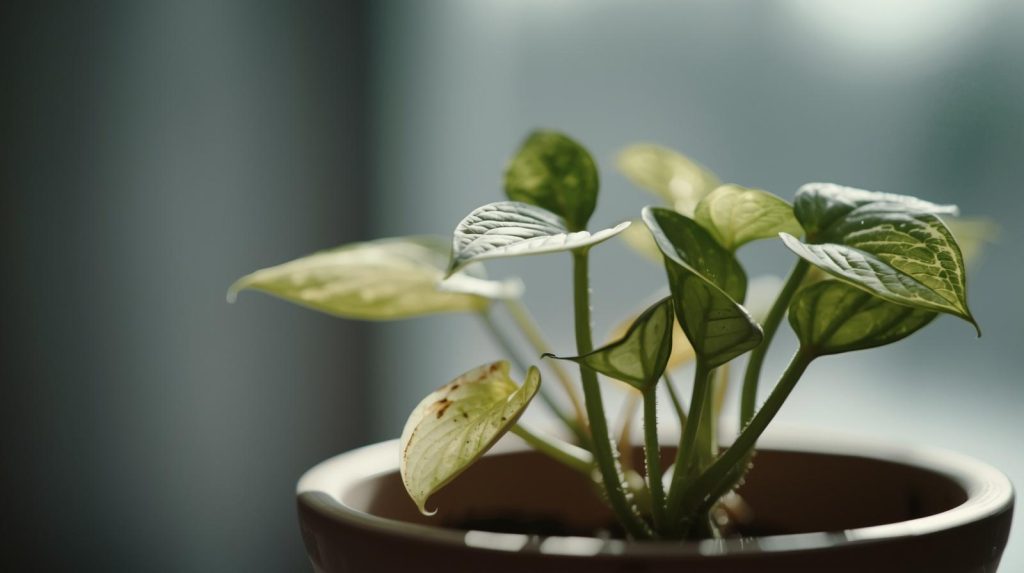 If leaves are yellowing en masse and stems feel mushy, the roots may have rotted from too much water.
In that case, you’ll need to remove the plant, trim any black mushy roots, and repot in fresh, dry mix. Then hold off watering until the plant recovers.
Conclusion
In summary, Pilea cadierei is a friendly little houseplant that rewards a bit of care with lush, shimmering foliage. Give it a bright spot out of direct sun, water when the top soil is dry (but never let it sit wet), and keep it in a warm, humid environment.
Besides watering, just remember to occasionally feed it in spring/summer and trim back any too-long stems. It’s quite forgiving – as long as you avoid extremes of dry or soggy soil, most problems can be solved by a simple adjustment.
Best of all, the Aluminum Plant is non-toxic to pets, so feel free to enjoy its eye-catching leaves without worry in your apartment. Follow these tips, and your Pilea aluminum plant will thrive year-round, adding a bright splash of greenery (and silver!) to your indoor space.