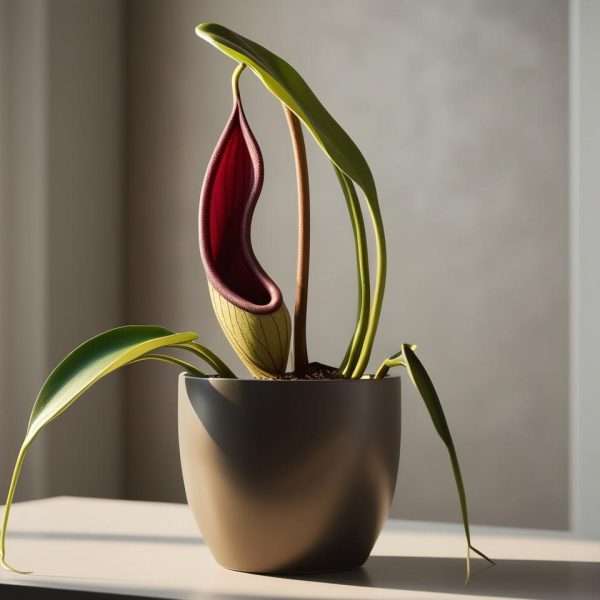
Philodendron White Knight Plant is a striking variegated climber prized for its white and cream splashes on dark green leaves.
Each leaf’s pattern is unique – one may be nearly all white, the next mostly green – giving it a lively, exotic look. Its stems often have reddish-purple tones, and because the variegation has less chlorophyll, White Knights grow relatively slowly.

Young plants make lovely tabletop or shelf specimens, while mature vines can climb poles or walls to develop larger, showy leaves. Overall, it’s an easy-care philodendron hybrid that thrives indoors, valued as a collector’s plant.

Philodendron White Knight Plant Light Requirements (Low-Light Apartments)

The White Knight needs bright, indirect light to keep its variegation crisp. In a sunny apartment, an east- or west-facing window with filtered light is ideal. However, avoid direct sun on the leaves – the white patches burn easily.
In dimmer rooms, the plant can tolerate moderate light but its white areas may fade to green if it’s too dark. To combat low-light in a small flat, use LED grow lights (pointed at least a few hours per day) or move the plant closer to the brightest window.
In short: give it as much bright indirect light as possible (even artificial plant lights help), and watch for loss of white variegation if it gets too shady.
Philodendron White Knight Plant Watering Schedule & Method

Your houseplant is dying right now — and you have no idea why.
Stop killing your houseplants.
The fix takes 60 seconds.
Snap a photo. LetPlant AI instantly diagnoses what’s wrong, tells you exactly when to water, and alerts you before it’s too late — not after.
FREE Save my houseplants nowNo credit card. No catch. Just healthier houseplants.
Water sparingly but thoroughly. Let the top 1–2 inches of soil dry out between waterings. A good routine is to check the soil by touch: when the surface feels dry or just barely moist, water the plant until excess drains out the pot holes.
Always use a pot with drainage so the roots never sit in water. In summer or warm rooms, you’ll water more often; in winter or cooler spots, cut back since the plant’s growth slows.
White Knights actually tolerate slight drought better than overwatering, so if in doubt, wait another day before watering again.
- Watch for signs
 Yellowing leaves or mushy stems usually mean overwatering/poor drainage. Brown crispy tips often indicate underwatering or low humidity. Adjust by watering less or more accordingly.
 - Seasonal tip
Water moderately in spring/summer growth seasons, and let the soil dry a bit more in fall/winter, just as you would with other indoor tropicals.
Philodendron White Knight Plant Temperature and Humidity.

This tropical aroid loves warmth and moisture. Keep it in a cozy range around 65–80°F (18–27°C). Avoid letting the room drop below about 55°F (13°C) or near cold drafts. Steer clear of heaters or air conditioners blowing directly on it.
Because high humidity brings out the best growth, aim for at least 50%–60% humidity. In a dry city apartment (especially in winter), boost moisture by grouping houseplants together or setting the pot on a tray of damp pebbles.
Even a small tabletop humidifier nearby can help. A handy trick from enthusiasts is to place the White Knight in a sunny bathroom or kitchen (as long as it’s not too dark) – the steam and warmth give it the humidity it craves.
Misting the leaves occasionally is also fine (though it’s less effective than raising room humidity). Overall, treat it like a mini greenhouse plant: warm, not too dry, and well out of cold drafts.
Philodendron White Knight Plant Soil Mix & Potting Tips

Use a well-draining, airy potting mix. A custom aroid mix (for Monsteras, Philodendrons, etc.) is ideal: combine regular potting soil or coco coir with plenty of perlite, orchid bark (or chunky bark), and even a bit of charcoal.
This loose mix holds some moisture but allows good airflow. Avoid plain garden or heavy soils.
When potting, choose a container just slightly larger than the current root ball (no more than 2″ larger) and be sure it has drainage holes.
Terracotta pots help wick excess moisture out; plastic pots retain moisture longer (so adjust watering accordingly). Repot into fresh mix every 1–2 years or whenever you see roots poking out the drain holes.
Repot in spring if possible, and gently tease out circling roots or trim any that are rotten. In a small apartment, you can also keep it in a smaller pot to control its size; just watch that it doesn’t become fully root-bound.
Fertilizing Routine and Seasonal Adjustments

Feed only during the growing season. During spring and summer, use a balanced, water-soluble fertilizer (like 10-10-10 or 20-20-20) at half strength about once a month.
This supplies nutrients for new growth and keeps foliage vibrant. Some growers even fertilize lightly every two weeks during active growth. In fall and winter, don’t fertilize (or do so very sparingly) since the plant rests and overfeeding can harm it.
- How to fertilize
 Dilute the fertilizer to half of the label’s recommendation and pour it onto evenly moist soil (never on bone-dry soil). Excess fertilizer should be flushed out periodically by watering thoroughly.
 - Watch the plant’s response: Yellow leaf edges after fertilizing can mean you’ve overdone it. If growth seems slow or leaves are pale, you might feed a bit more often, but always err on the side of less fertilizer for variegated plants.
Philodendron White Knight Plant Pruning, Training & General Upkeep

Regular pruning keeps your White Knight neat and encourages bushier growth. Trim away any yellow, brown or damaged leaves. If vines get too long or leggy, simply snip them back by cutting just above a leaf node (the “knot” where a leaf meets the stem).
This promotes new side shoots from that node. Pinching off the tips of vines can also cause the plant to branch out. Remember to use clean, sharp scissors or shears to make smooth cuts.
Since White Knight is a climber, give it some support and training: a moss pole, trellis or stake will help it grow upward naturally.
Attaching its aerial roots to a moist moss pole not only saves floor space but also produces impressively large leaves over time. You can let it trail loosely, but the most dramatic form is vertical.

Upkeep tips: Wipe the leaves occasionally with a damp cloth to remove dust – this keeps them shiny and helps the plant “breathe” better. Check the underside of leaves and stems regularly for pests.
Common philo pests include mealybugs, spider mites or scale insects. If you spot any, isolate the plant and treat promptly.
A cotton swab dipped in rubbing alcohol swiped on mealybugs will kill them; or use diluted insecticidal soap or neem oil according to instructions. Catching and removing bugs early will keep your urban jungle healthy.
Common Problems and Quick Fixes
- Yellowing Leaves
 Often due to overwatering or poor drainage. Reduce watering and check the soil. If root rot has set in (mushy roots, bad smell), remove the plant, cut away rotten roots, and repot in fresh mix.
 - Brown Leaf Tips or Edges
 Usually a sign of underwatering, low humidity or excess salts from fertilizer. Increase humidity around the plant (group plants, mist leaves, use a humidifier) and flush the soil by watering thoroughly to leach out salts.
Don’t let the soil dry out completely between waterings. - Loss of Variegation
 If the new leaves come out solid green, your plant needs more light. Move it to a brighter location. The more light it gets (within reason), the whiter and brighter the patterns will be.
 - Leggy Growth
 If vines stretch out with big gaps, try pruning and/or adding a light source. Pinching back the vines will make the plant bushier.
 - Pests
 Aphids and mealybugs can infest new growth if the plant is overfertilized. Treat infestations by wiping bugs off, removing affected parts, or using safe insect sprays (like neem oil).
 - Root Rot
 Very common in phils. Prevent it by letting the top soil dry before watering. If the plant wilts and the soil smells foul, take it out, trim healthy root tips, and repot.
Being proactive about light, water, and humidity will prevent most issues. Inspect your plant weekly so you catch problems early.
Decorative Placement & Safety in Small Spaces

Even in a tiny apartment, you can showcase the White Knight with smart placement.
Think vertical: use bookshelves, wall-mounted shelves, or hanging planters to make a mini indoor jungle. The White Knight’s vines can drape down from a high shelf or climb a wall-mounted pole without taking up floor area.
Group it with other houseplants (e.g. ferns or smaller philodendrons) – this saves space and creates a humid “green corner” that the White Knight will love. For example, place it next to a tall corner shelf or atop a sturdy plant stand so its leaves cascade freely.

Decorative ideas: A nice woven basket or ceramic pot can add style without overwhelming the room. Low stools or benches (or a set of nested plant stands) can hold several potted plants at different heights.
Mix textures – for instance, a rattan basket next to a sleek terracotta pot – to fit your apartment’s vibe. Always keep the plant near its light source (but not in direct sun). And most importantly, remember that philodendrons are toxic to pets and humans.
Keep the White Knight up high or away from foot-traffic (e.g. on a shelf or hanging planter) so curious pets or children can’t reach it.
Avoid placing it in drafty spots by doors or under air vents. With a bit of creativity – vertical shelving, decorative containers, and grouping – this majestic plant can thrive safely even in the smallest, lowest-lit urban homes.
Long-Term Care & Propagation

Over the years, your White Knight may outgrow its space.
Repotting: Every 1–2 years check if it needs a bigger pot.
If roots are crowded or poking out the bottom, move up one pot size and refresh the soil. Gently loosen old soil from the roots each time to aerate the rootball.
Propagation: The easiest way to make new plants is by stem cuttings. Here’s how:
- Disinfect your tools. Dip sharp scissors or pruning shears in rubbing alcohol.
- Find a node. Look for a vine segment with at least one leaf and a visible aerial root or node.
- Make the cut. Cut 1–2 inches below this node (including the leaf and root).
- Root the cutting. Place the cutting in a jar of clean water (node submerged) or directly into a moist potting mix. Keep it warm and humid (covering with a plastic bag or placing it in a mini greenhouse helps).
- Transplant. In a few weeks, roots will form. Once you see healthy white roots, plant it in its own pot with fresh mix.
Propagation can be slow (variegated philodendrons grow patiently), so don’t be discouraged if it takes weeks.
In the meantime, continue to care for the mother plant. Long-term, a well-cared-for White Knight can reach several feet tall on a support, and each cutting will eventually join your indoor jungle.
Summary Checklist:
- Light: Bright, indirect (east/west window); avoid sunburn on leaves.
- Water: Water when top 1–2″ of soil is dry; ensure good drainage and avoid waterlogged soil.
- Soil: Use an airy, well-draining mix (peat or coco + perlite + bark). Repot every 1–2 years when root-bound.
- Humidity: High humidity (~50–60%); mist leaves or use humidifier/pebble tray; group with other plants.
- Temperature: 65–80°F (18–27°C); keep above ~55°F; avoid cold drafts.
- Fertilizer: Balanced liquid food, diluted ½-strength, about once a month in spring/summer; none in winter.
- Pruning: Snip dead/damaged leaves; trim long vines above a node. Use a moss pole or support for climbing.
- Pests: Inspect for mealybugs/mites; treat with alcohol or insecticidal soap if spotted.
- Placement: Use vertical space (shelves, hangers) in small rooms. Keep out of reach of pets/kids (plant is toxic).
- Propagation: Cut and root stem cuttings with a node when you want new plants.