Party plant care revolves around keeping this vibrant foliage plant happy and thriving indoors. Party plants (Alternanthera ‘Party Time’, also known as Joseph’s Coat or Parrot Leaf) are prized for their bright pink, green and red leaves.
These tropical plants add a splash of color to any space and can be grown in pots or hanging baskets. They respond well to a warm, consistent environment and reward you with intense leaf color if their needs are met.

In this guide we’ll cover everything you need to know to grow a party plant indoors, even in small apartments or areas with limited light.

Party plant care is straightforward once you get the basics down. These plants thrive in bright conditions and need regular moisture and feeding.
With a bit of attention to light, water, and soil, most growers (beginners and experts alike) can keep a party plant lush and colorful. Below, you’ll find quick-reference tips to keep handy, followed by detailed advice on light, water, soil, and other factors to consider.
Quick-Reference Care Summary/Checklist
- Light: Provide bright light (ideally a few hours of sun or bright indirect light daily). Party plants prefer at least 6 hours of good light. Avoid deep shade – they will turn green and leggy without enough light.
- Water: Keep the soil evenly moist but not soggy. Water thoroughly, then let the top 1–2 inches dry before watering again. Never let the plant stand in water.
- Soil: Use a well-draining, fertile potting mix. A mix of regular potting soil with compost, peat moss and perlite is ideal. This ensures good drainage and nutrients.
- Potting: Always use a container with drainage holes. Repot yearly or whenever roots fill the pot – usually once a year is sufficient.
- Temperature/Humidity: Keep in a warm indoor spot (above about 60°F/15°C). Party plants hate cold drafts. They do appreciate moderate humidity (misting or a pebble tray can help in dry air).
- Fertilizer: Feed lightly during the growing season. Use a balanced, water-soluble fertilizer about once a month in spring and summer. Avoid over-fertilizing, which can flush out the bright leaf colors.
- Pruning: Pinch or trim back any lanky stems to keep the plant bushy and compact. Remove any dead or yellowing leaves regularly to keep it looking tidy.
- Propagation: Party plants root easily from cuttings. You can pinch or cut healthy stems to start new plants in water or soil.
- Pests/Diseases: Watch for mealybugs, aphids, and spider mites – wipe leaves clean regularly. Check under leaves for insects.
Treat any infestations promptly with insecticidal soap or neem oil. Overwatering can cause root rot, so follow a proper watering schedule.
Each of these points will be explained in detail below, so you’ll know exactly how to care for your party plant and troubleshoot any issues.
Party Plant Care: Light and Location

Your houseplant is dying right now — and you have no idea why.
Stop killing your houseplants.
The fix takes 60 seconds.
Snap a photo. LetPlant AI instantly diagnoses what’s wrong, tells you exactly when to water, and alerts you before it’s too late — not after.
FREE Save my houseplants nowNo credit card. No catch. Just healthier houseplants.
Party plants come from sunny tropical regions, so they love bright light. Indoors, place yours close to a bright window. South- or west-facing windows are ideal, giving plenty of light (with some morning or late afternoon direct sun if possible).
In bright locations the foliage colors (pink, red, and green variegation) will be most intense. In general, the more good light the plant gets, the better its color and growth.
Keep the plant within a foot or two of a window. The planty app suggests putting it within 1 foot of a south-facing window to maximize light. If the only windows are small or north-facing (low light), consider using a grow light.
A simple LED or fluorescent grow light placed above the plant for 10–12 hours a day can keep the party plant thriving even in a dim room.

Avoid locations with very low light: party plants do not tolerate deep shade or corner placement. In low-light conditions they will quickly become leggy, lose their color, and drop leaves.
If sunlight is too strong (like hot midday sun), filter it with a sheer curtain. Bright indirect light (sun filtered through glass or curtains) is perfect.
Alternanthera ‘Party Time’ can handle a little direct sun, in fact, even full sun is tolerated and helps color, but too much intense sun may scorch leaves (especially through glass).
Monitor new leaves: if they look sunburned (bleached or brown at the tips), move the plant a bit back from the glass.

In a small apartment, find the sunniest shelf or windowsill and rotate the pot occasionally so all sides get light.
Indoors, lights in the 60–80 μmol/m²·s range (bright indoor light) are recommended. If you notice the plant “searching” for light (bending toward the window or growing tall and spindly), that is a sign to move it to a brighter spot.
Party Plant Care: Watering

Party plants like consistently moist soil, but they hate sitting in water. Watering is a balancing act: enough to keep them happy, but avoid waterlogged roots. The goal is to keep the soil damp but never muddy.
A good practice is to water thoroughly, letting water run out of the drainage holes, then allow the top 1–2 inches of soil to dry out before watering again.
This means the plant drinks up the moisture it needs but excess drains away. As a general rule, water about once a week in normal home conditions, but this will vary with pot size and season.
For example, a party plant in a 5-inch pot may need about 1/2 cup of water roughly every 7–10 days (if it’s not in direct sun). If the air is very dry or it’s placed in a warm spot, it might need a little more frequent watering.
Watch the plant’s signs: if the leaves start to wilt or droop, that usually means it is thirsty. Party plants will perk up quickly after watering if they were just mildly dry.
On the other hand, yellowing leaves and limp stems can indicate overwatering and root stress. Always err on the side of slightly underwatering rather than soaking the plant.

Use a pot with good drainage and a well-draining soil mix so excess water can escape. Avoid letting the pot sit in saucers of water. If you find the plant often droops, check that the pot isn’t blocked or filled entirely with roots.
Watering frequency: less in winter (maybe every 2–3 weeks, only when the soil is noticeably dry deeper down) and a bit more in summer. But do not let it completely dry out – keep it slightly moist.
Party Plant Care: Soil and Potting

Party plants prefer a nutrient-rich, well-aerated soil mix. Use a general-purpose potting mix enriched with organic matter.
A good mix might be typical indoor potting soil plus some compost or peat moss and perlite or coarse sand for drainage. The soil pH can be slightly acidic to neutral (around 6.0–7.0).
A rich soil helps the plant grow vivid foliage. If your potting soil is very plain, you can mix in a handful of compost or worm castings.
However, the soil should not be heavy clay – always ensure it drains well. As noted above, always plant in a pot with holes. If you have a plastic pot without holes, either drill holes or move the plant to a proper planter.
Repotting: Party plants grow fairly quickly, and their roots can fill a pot in a year. You may need to repot about once per year (often in spring) into a pot one size up.
When repotting, use fresh mix and gently tease out some roots. If roots are circling tightly at the bottom, trim a few and then place in the new pot so they have space.

When you move up a pot size (for example, from 4-inch to 6-inch), the plant will respond by producing new leaves and branches. The plant care app suggests repotting when the plant doubles in size or yearly.
After repotting, the plant may drink more water initially, so check soil moisture more often the first few weeks. Always top off soil around the roots to eliminate large air pockets.
Party Plant Care: Temperature and Humidity

As a tropical plant, your party plant prefers warmth and humid air. Keep it in a room that stays above about 60°F (15°C) – ideally in the 65–75°F range.
It cannot tolerate cold or frost, so never place it near an open cold window or door during winter. Even normal cool drafts can stress it, causing leaves to drop. In an apartment, avoid cold hallways or near air conditioners in winter.
These plants also appreciate medium humidity. If your home is very dry (like heated or air-conditioned apartments), consider increasing humidity around the plant.

You can do this by misting the leaves occasionally, using a pebble tray with water under the pot, or placing a humidifier nearby. Good humidity helps prevent leaf browning at the tips.
However, party plants are not as fussy about humidity as some tropicals. Typical home humidity (30–50%) is usually fine, especially if watering is regular.
If you see the leaves crisping or browning, it might indicate overly dry air or under-watering; misting can help quickly.
Party Plant Care: Fertilizing

Food helps party plants keep those bright colors and full growth. During the active growing season (spring and summer), feed your plant every 4–6 weeks with a balanced liquid houseplant fertilizer (20-20-20 or similar) at half-strength.
This encourages more leaves and brighter color. Some growers use a monthly schedule in spring and summer, skipping fertilizer in fall and winter when growth slows.
Be cautious: too much fertilizer can cause lush green growth but may wash out the leaf variegation. If your plant’s foliage looks very green and less colorful, cut back on feeding and give it more light.
If planted in a very rich potting mix or organic compost, you might actually need to fertilize less frequently. The Spruce notes that Joseph’s coat doesn’t require much feeding in rich soil.

As a rule of thumb, use a dilute fertilizer rather than full strength. During feeding, water the soil lightly first, then feed. This ensures nutrients reach the roots evenly. Always follow the label instructions for dosage. In winter, you can usually skip fertilizer entirely.
Party Plant Care: Pruning and Shaping

Party plants can get a bit leggy if left unpruned, so it’s best to pinch or trim them regularly. Use your fingers or clean scissors to cut back any stems that are stretching out long.
This “pinching back” encourages the plant to branch out, resulting in a bushier shape with more leaves. You can trim up to one-third of the plant at a time. Pruning also removes any old or weak growth, making room for new bright foliage.
When new growth appears at the cut points, it will be fuller. Prune after watering, when the stems are less brittle.
Regular trimming keeps the plant compact enough for indoor spaces and prevents it from flopping over. Also, remove any dead or yellow leaves when you see them – this keeps the plant looking neat and prevents disease.

One nice bonus: you can root those trimmed tips in water or soil to create a new party plant. Simply take a 3-4 inch stem cutting, remove the lowest leaves, and stick it in water or moist potting mix.
In a couple of weeks you’ll see roots develop. This is an easy way to refresh a leggy plant or share plants with friends.
Party Plant Care: Common Pests and Problems

Party plants are generally fairly tough, but in indoor conditions they can occasionally pick up pests. Check the plant every week or two, especially under the leaves and along stems.
The most common offenders are mealybugs, aphids, and spider mites. Mealybugs look like tiny cottony clusters, aphids like small greenish bugs, and spider mites may leave fine webbing.
If you spot any, start by rinsing the plant under a gentle shower or wiping leaves with a damp cloth. For stronger infestations, use insecticidal soap or neem oil spray, covering all leaf surfaces (top and bottom) and stems.
Early intervention usually stops an infestation from spreading. Keeping the plant healthy and not overly dry can also help prevent mites (they like hot, dry conditions).
Waterlogged soil is the most common “disease” issue. Overwatering can cause root rot (bacterial/fungal roots decaying), which shows up as yellowing leaves, especially lower ones, and a mushy smell at the soil line.

If you suspect root rot, remove the plant from its pot, trim off any black or rotted roots, and repot in fresh dry soil. Only water again once you see healthy new growth.
Other problems:
- Wilting or Drooping Leaves:
 If the plant suddenly wilts (droops downward) but the soil is dry, it likely needs water. However, wilting can also happen if leaves get too hot in sun or are caught in a very dry draft. Ensure even moisture and moderate temperatures.
 - Yellow Leaves:
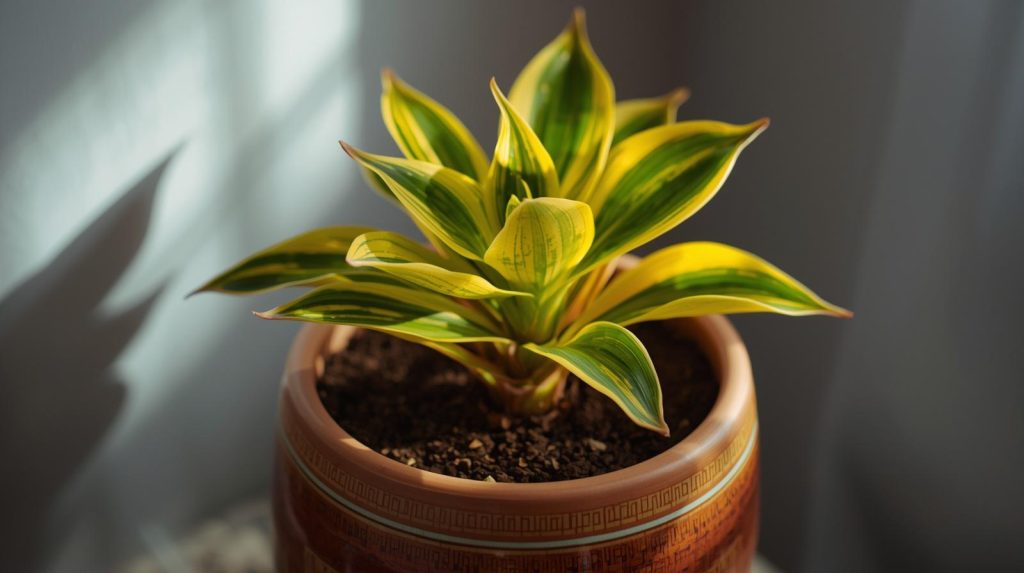 Often this is due to too much water or poor light. Cut back watering, check drainage, and ensure bright light. Remove all-yellow leaves to tidy up.
 - Lack of Color (Leaf Dullness): If the bright pink/red variegation fades and most leaves are green, that usually means not enough light. Try moving the plant to a sunnier spot or supplementing with a grow light. Introduce additional light gradually to avoid shock.
- Leaf Spots or Brown Tips:
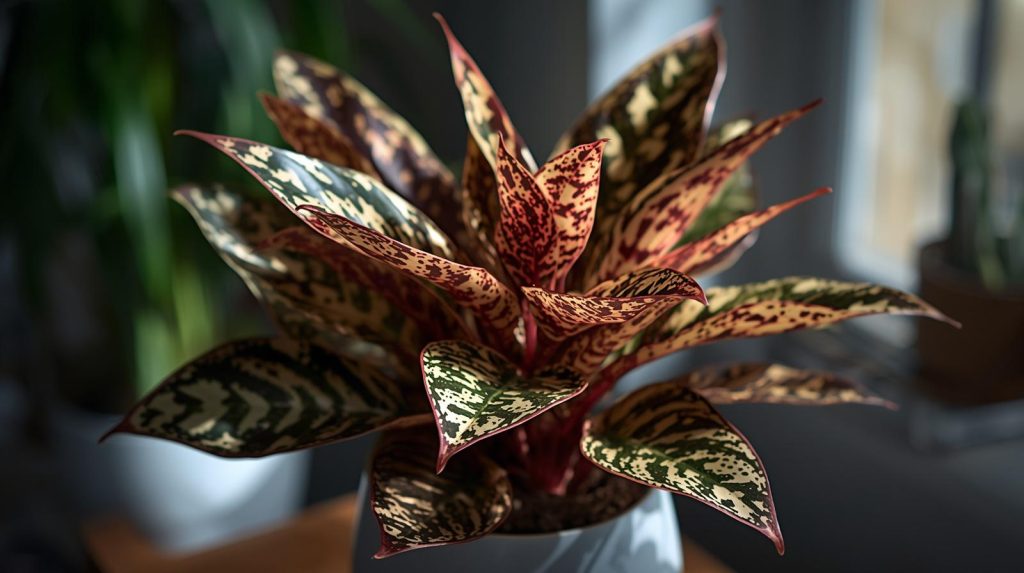 Brown crispy tips may mean the air is too dry, or fertilizer is too strong; very wet soil or splash of water on leaves can cause spots. Use filtered water and keep humidity up.
In most cases, correcting the care (light, water, feeding) fixes these issues.
Conclusion
Party plants bring fun, festive color into indoor spaces, and with the right care, they can thrive even in apartments. The keys are plenty of light (bright indoor light or some sun), consistent watering (keep soil lightly damp), and a warm, draft-free spot.
Pinching back stems and feeding occasionally will keep your plant full and vivid. With these steps, even a beginner can enjoy a lush, blooming party plant all year round. Keep an eye out for pests, and don’t be discouraged by the occasional yellow leaf – it’s usually a quick fix.
In summary: set up a good home for your party plant near a bright window (or use a grow light), water properly without overdoing it, and feed lightly.
Give it a warm, humid environment and trim it to encourage a bushy shape. Follow the checklist above, and you’ll have a healthy plant whose colorful foliage will truly be the life of the party in your home or apartment!