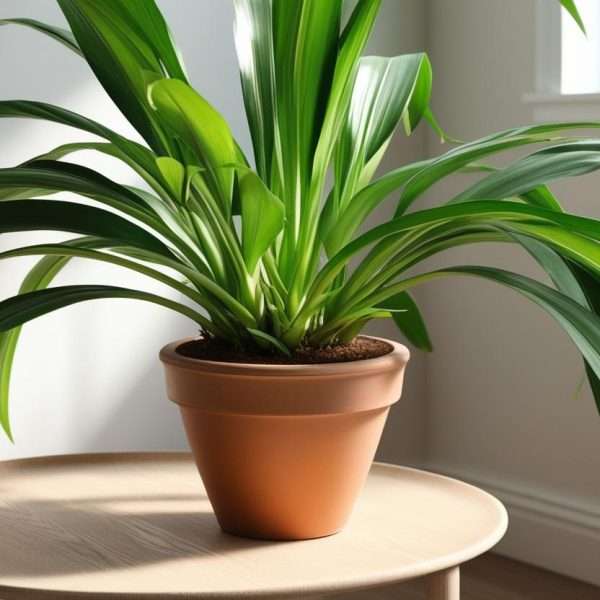
The Alocasia Silver Dragon Plant is prized for its thick, heart-shaped leaves that shimmer with a silvery-green hue and bold dark-green veins. This exotic foliage looks almost metallic or jeweled, which is why it’s often called a “jewel” Alocasia.
Unlike many large elephant-ear plants, Silver Dragon stays relatively compact (about 1–2 feet tall), making it ideal for tabletops, shelves or terrariums.

Despite its rarity and collectible reputation, it’s not overly finicky if you meet its needs. (As with all Alocasias, keep it out of reach of pets and children – the leaves contain calcium oxalate crystals and are toxic if ingested.)

Alocasia Silver Dragon Plant Light Requirements

Place Silver Dragon in bright, indirect light. In its native understory, it grows with dappled sun, so indoors aim for an east- or west-facing window where it gets filtered sunlight. Avoid harsh direct rays (especially hot afternoon sun), which can scorch the leaves. Likewise, too little light will cause leggy, weak growth. A good rule of thumb is about 6–8 hours of bright indirect light per day. Rotate the plant occasionally so all sides get light and the foliage stays evenly shaped. If natural light is low (e.g. in winter), consider supplementing with a grow lamp.
Alocasia Silver Dragon Plant Temperature and Humidity

Silver Dragon thrives in warm, humid conditions. Keep daytime temperatures around 65–75°F (18–24°C), avoiding any cold drafts or sudden dips below ~55°F (13°C), which can trigger dormancy. If the room’s air is very dry (common in winter), provide extra humidity.
Your houseplant is dying right now — and you have no idea why.
Stop killing your houseplants.
The fix takes 60 seconds.
Snap a photo. LetPlant AI instantly diagnoses what’s wrong, tells you exactly when to water, and alerts you before it’s too late — not after.
FREE Save my houseplants nowNo credit card. No catch. Just healthier houseplants.
Aim for 50–80% humidity – many growers find 60–80% is ideal. You can boost humidity by misting the leaves, placing the pot on a pebble tray with water, grouping it with other plants, or using a small humidifier.
Tropical bathrooms or kitchen corners (if light is good) often work well. In summary: think of a greenhouse or warm terrarium environment – constant warmth and moisture will keep your Silver Dragon happy.
Alocasia Silver Dragon Plant Watering Routine

Water thoroughly but carefully. Let the top soil dry slightly between waterings: typically, wait until the top 1–2 inches of mix feel just dry to the touch. Then water deeply until excess drains from the pot’s bottom.
Silver Dragon does not like to sit in water, so always empty any saucer and ensure good drainage. A common method is bottom watering: set the pot in a bowl of water for about 10–15 minutes so the roots soak up water from below.
In summer you may water roughly every 1–2 weeks (depending on pot size and indoor climate); in winter or cooler months, reduce frequency, since the plant’s growth slows. In general, keep the soil evenly moist but not waterlogged.
Overwatering can cause root rot (see “Troubleshooting”) and underwatering will make leaves curl or brown at the edges.
Soil Composition and pH

Use a very well-draining, airy potting mix. A typical Alocasia blend might be equal parts of coco coir (or peat), orchid bark, and a gritty material like perlite or pumice. This loose mix holds some moisture yet lets excess water escape easily, preventing soggy soil.
Some growers use specialized soilless or semi-hydro (LECA) mixes. Aim for a slightly acidic to neutral pH (around 5.5–7.0).
Avoid heavy garden soil or clay – the roots need lots of oxygen. In practice, you can start with a quality indoor tropical or aroid potting soil and mix in extra perlite/pebbles or bark chips for aeration.
This kind of mix keeps roots happy and helps prevent root rot while retaining enough moisture for the plant.
Potting and Container Recommendations

Choose a pot with drainage holes. Silver Dragons don’t mind being a bit snug, so select a container only slightly larger (1–2 inches wider) than the current root ball.
Too large a pot means excess soil that stays wet, inviting rot. Good options are plastic, ceramic or glazed pots (which retain moisture), or unglazed terracotta (which breathes and wicks away moisture – good if you tend to overwater).
The key is drainage: clay pots or ones with a wick/drainage system work well. If you use a decorative cachepot, keep the plant in a nursery pot inside it and lift it out to let water drain freely.
Also ensure the pot is stable – the bushy leaves can make the plant top-heavy, so a low, broad pot is often safest.
Fertilization Schedule and Nutrients

During the growing season (spring and summer), feed Silver Dragon with a balanced, water-soluble fertilizer about once a month. A 10-10-10 or 20-20-20 NPK mix is fine; you can also use an aroid or general houseplant fertilizer. Dilute it to half the label strength to avoid burning the roots. Apply after watering so salts don’t scorch dry roots. Alocasias appreciate a bit of calcium and magnesium – many growers add bone meal or a pinch of Epsom salt occasionally. Stop fertilizing in late fall and winter when growth naturally slows. If you miss an application or two, it’s not a problem; erring on the side of slight underfeeding is better than overfeeding.
Repotting: When and How

Repot Silver Dragon roughly every 2–3 years or when it becomes root-bound. The best time is in spring, just before or as new growth resumes.
(Some guides also mention repotting during the winter “dormant” period – either way, avoid doing it in peak winter cold or midsummer heat.) Signs it’s time: roots growing out the drainage holes or the plant drying out very quickly.
When repotting:
- Gently remove the plant from its pot and shake off loose soil.
- Inspect the roots – trim away any rotten or circling roots.
- Choose a new pot 1–2 inches larger in diameter. Add a layer of fresh mix in the bottom.
- Set the plant in and backfill with well-draining soil so that it sits at the same soil level as before. Press lightly to remove air pockets.
- Water thoroughly until water runs out the bottom. This settles the soil.
- Place in bright indirect light and maintain high humidity for a few weeks so it recovers.
Avoid planting it too deep; the top of the rhizome (underground stem) should be just at or slightly above the soil surface. By not dramatically up-sizing the pot and using fresh airy mix, you’ll give the roots room to grow while preventing excess moisture.
Propagation Methods (Offsets and Division)

Silver Dragon is propagated primarily by division. It produces clumping rhizomes and offsets (pups) at the base. The best time to propagate is spring or early summer when the plant is actively growing. To divide:
- Carefully unpot the plant and gently shake or wash soil from the roots. You should see horizontal rhizomes with buds and small offsets.
- Identify natural division points: each section should have at least one growing bud or shoot and some roots.
- Using a clean, sharp knife or shears, cut the rhizome apart at those points. (Wear gloves – sap can irritate skin.)
- Pot each division in its own small pot with the same well-draining mix as above. Do not pack the soil too tightly. The pot size should match the division; avoid oversized pots that trap moisture.
- Water the new plants lightly to settle the soil. Keep them in bright, indirect light and high humidity (a clear plastic bag or tray can help).
Within a few weeks you should see fresh growth if all goes well. During this time keep the soil consistently moist (not wet) and protect the divisions from cold or direct sun. With gentle care, offsets will establish into full plants.
Common Pests and Diseases
Silver Dragon can attract the usual household plant pests, especially if the air is too dry or dusty. Watch for:
- Spider mites
 Tiny specks or fine webbing. They thrive in dry air. Increase humidity, wash the leaves with a strong spray of water, and if needed use insecticidal soap or a neem oil spray.
 - Mealybugs
 White cottony masses on stems or leaf joints. Wipe them off with a cotton swab dipped in rubbing alcohol or use insecticidal soap.
 - Aphids
 Small green or black insects on new shoots. Usually rinsing them off with water or applying neem oil solves the problem.
 - Scale insects
 Brown or black bumps on stems/leaves. Scrape them off gently and treat with neem oil or systemic insecticide if severe.
Diseases are usually due to cultural problems:
- Root rot
 Caused by overwatering or poor drainage. If leaves yellow and wilt, check for mushy brown roots. Remedy by repotting in fresh dry mix and cutting away rotten roots.
 - Leaf spot
 Fungal or bacterial spots on foliage from water splashing. Avoid getting leaves wet when watering. Remove any infected leaves and improve air circulation around the plant.
 - Powdery mildew or mold
 Rare if humidity is good, but wipe off any obvious mold and reduce humidity slightly if needed.
Regularly inspect leaves (especially underside) and maintain good humidity and air flow to prevent infestations. Quarantine any new plants until you’re sure they’re pest-free.
Troubleshooting Common Issues
Here are solutions to some typical Silver Dragon problems:
- Yellowing leaves
 Often from overwatering (or sometimes underwatering). Check moisture levels – if soil is constantly soggy, cut back watering. Improve drainage and remove any yellow leaves. If the plant is too dry (causing stress), adjust to a more regular watering routine.
 - Drooping or limp leaves
 Usually a sign of water stress (either too dry or too wet), or sudden temperature changes.
Feel the soil – if bone-dry, the plant needs water; if waterlogged, hold off on watering and let it dry a bit. Ensure temperatures are steady (no cold drafts or scorching heaters nearby). - Crispy brown leaf edges or tips
 Low humidity is the most common cause, or too much fertilizer salt buildup. Increase humidity around the plant (misting, humidifier, pebble tray) and occasionally flush the pot with fresh water to leach out excess salts. Prune off any badly browned tips.
 - Curling leaves
 This usually means the plant is too dry or thirsty. Mist more frequently and water more consistently so the soil stays just slightly moist.
 - Leggy or weak growth
 If stems stretch and leaves are sparse, it’s a light issue. Move the plant to a brighter spot (while still avoiding direct sun) so it can generate fuller growth.
 - Leaf drop during growth
 Losing a leaf or two occasionally isn’t unusual, but if many healthy leaves drop in summer, re-check your light, humidity, and watering – one of those is probably off.
(However, a few leaves dropping in fall/winter is normal dormancy behavior – see Seasonal Care below.)
In general, Silver Dragon shows its stress by leaf color and firmness. Keep conditions steady and you’ll minimize most problems.
Styling and Placement Tips

This plant’s striking foliage makes it a fantastic focal point.
Styling tips: Place it on a side table, plant stand or shelf at eye level so the leaves can be admired. Because of its compact size and sculptural form, a clean white or dark gray pot often makes the silvery leaves pop.
You can also incorporate it into a mixed tropical display (with ferns, calatheas or other aroids) – grouping plants not only looks lush but can gently raise humidity.
According to plant designers, Silver Dragon works well in modern or boho decors where its unusual coloring adds contrast. Bathrooms or kitchens can be great spots (their higher humidity suits the plant) as long as there’s a bright window.
Avoid placing it on the floor in a dim corner. Essentially, give it a “stage”: enough light and a clear line of sight so the distinctive veined leaves can shine. Remember it’s an ornamental indoor plant – treat it as you would a piece of living art in your home.
Seasonal Care Considerations
As a tropical plant, Silver Dragon has a dormant-like slowdown in cooler, darker months. In fall and winter:
- Light: Days are shorter, so maximize light exposure (move closer to the window, clean the window glass, or use a grow light). South- or west-facing windows are best in winter.
- Water: Cut back watering. The plant will use less water when it’s not actively growing. Let the top few inches of soil dry between waterings. Do not let it sit bone-dry, but avoid overwatering.
- Temperature: Keep it warm (above ~55–60°F). Silver Dragon will slow growth or drop leaves if it gets too cold. Even indoors, keep it away from drafty doors or icy windows.
- Fertilizer: Stop fertilizing by late fall. Wait to resume feeding in spring when new growth appears.
- Humidity: Maintain humidity – indoor heating can dry the air. Continue misting or humidifier use.
Don’t worry if a few older leaves yellow and fall off during winter – Spruce recommends “don’t panic” over this natural dormancy drop.
Just remove any dead leaves for tidiness. When spring arrives and temperatures rise, Silver Dragon will green up again and start sending out new leaves. That’s when you can repot (if needed) and ramp up watering and feeding for the growing season.
Seasonal recap: Treat winter as a rest period. Less water, no fertilizer, but keep things warm and as bright and humid as possible. With good seasonal adjustment, your Silver Dragon will come back lush each spring.