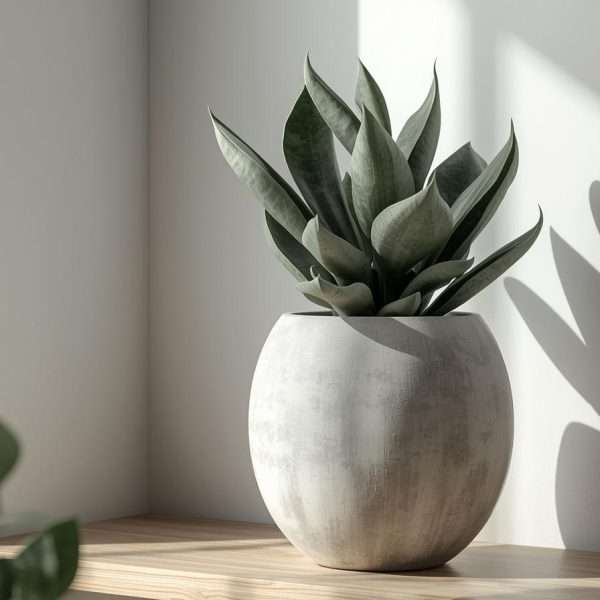
Dracena lemon lime plant care thrives on bright, filtered light, consistent warmth, and careful moisture management. (Dracaena deremensis ‘Lemon Lime’ – a variegated cultivar of the corn plant – grows well indoors under these conditions.)

Below is a quick-reference care checklist followed by detailed instructions on light, water, soil, and all aspects of indoor maintenance.
Quick-Reference Care Summary:

| Aspect | Details (Dracaena ‘Lemon Lime’) |
| Taxonomy: | Dracaena deremensis (sometimes listed as D. fragrans group). Common names:
Lemon Lime, Corn Plant, Striped Dracaena. Tropical evergreen (USDA 10–12) originally from Africa. |
| Light (lux): | Bright, indirect light. Ideal ~1,000–2,000 foot-candles (≈11k–22k lux). East or north windows are good; avoid hot midday sun. Tolerates low light but growth slows. |
| Temperature: | Warm 65–85°F. Minimum ~55°F. Thrives at ~70–80°F. Keep away from cold drafts or heat vents. |
| Humidity: | Moderate. Prefers 40–60% humidity. Dry air leads to brown tips. Mist leaves occasionally or use a humidifier in dry air. |
| Watering: | Keep soil lightly moist. Water when top 1–2″ of soil is dry. In growing season (spring–fall), water ~1×/week. In winter, reduce to avoid soggy soil. Use filtered water if tap is hard. |
| Soil Mix: | Rich, well-draining mix. Example: 1 part potting soil + 1 part peat/compost + 1 part perlite/charcoal. Avoid heavy clay. Maintain pH 6.0–6.5 (sensitive to fluoride). |
| Pot/Drainage: | Use a pot with drainage holes. Terra-cotta is fine. Pots should be only slightly larger than the root ball.
Elevate on pebbles or mesh to prevent sitting in water. |
| Fertilizer: | Feed monthly in spring/summer with balanced houseplant fertilizer (e.g. 20-20-20).
Do not fertilize in winter. Flush soil yearly to remove salt buildup. |
| Pruning: | Remove yellow or brown leaves as needed. Cut back tall stems to keep compact (best in spring). New shoots will emerge from cut stems. Wipe leaves to keep dust-free. |
| Propagation: | Stem Cuttings: In spring, cut 6–8″ stem sections, let dry 1 day, then root in moist mix (water or peat).
Air Layering: Make an upward cut on a tall cane, wrap with moist moss; roots form in weeks. Division: If multiple stems at base, split during repotting. |
| Repotting: | Every 2–3 years or when rootbound. Spring is ideal. Gently loosen roots and use fresh mix. No need for a much larger pot – Dracaenas like a snug pot. |
| Pests/Diseases: | Watch for spider mites, scale, mealybugs, and thrips. Treat with insecticidal soap or neem. Overwatering/poor drainage leads to root rot. Anthracnose leaf spots or soft rot can occur if kept too wet. |
| Troubleshooting: | Leaf Browning: Usually low humidity or fluoride in water. Use distilled water, raise humidity.
Yellow Leaves: Often overwatering or salt buildup – allow drying and flush soil. Leaf Drop: Stress from draft or abrupt changes. Legginess: Increase light. |
| Toxicity: | Toxic to pets and humans if ingested (saponins cause irritation). Keep out of reach and discard clippings safely. |
Dracena Lemon Lime Plant Care: Taxonomy & Common Names
Dracaena ‘Lemon Lime’ belongs to the Dracaena genus in the Asparagaceae family. It is an evergreen cane plant with lime-yellow center leaves edged in green. It’s a cultivar of Dracaena deremensis (formerly included in D. fragrans).
Other common names include corn plant, striped dracaena, or massangeana dracaena (though ‘Massangeana’ is a different striped cultivar).
This plant is often listed simply as “Dracaena fragrans ‘Lemon Lime’” without a specific cultivar name. All Dracaenas share similar care needs. We assume cultivar specifics (height, exact variegation) are unspecified, so we cover general indoor Dracaena guidelines.

Dracena Lemon Lime Plant Care: Ideal Light Conditions

‘Lemon Lime’ dracaena likes bright, indirect light. Filtered light through a sheer curtain is perfect. Quantitatively, aim for about 1,000–2,000 foot-candles (11,000–22,000 lux) near an east or north window.
These plants tolerate lower light (down to ~100 fc in interiors), but growth slows and leaves may fade. Avoid direct afternoon sun, which can scorch leaves.
In apartments with weak light, supplement with a fluorescent or LED grow light for 8–10 hours daily, especially in fall/winter. If using a south-facing window, place the plant a few feet back or shade with a curtain.

Rotate the pot occasionally for even growth. In darkness or deep shade, be prepared to move the plant to a brighter spot or accept a lankier growth habit.
Dracena Lemon Lime Plant Care: Temperature & Humidity

Keep Dracaena Lemon Lime warm and humid. Optimal daytime temperatures are 70–80°F. Nighttime can be 5–10°F cooler. Maintain above 55°F; frost will kill leaves. Use indoor thermostat settings rather than cold window sills in winter.
These plants prefer moderate humidity (40–60%). Dry indoor air often causes brown leaf tips. Mist leaves or use a pebble tray in dry conditions, especially in heated homes.

A humidity around 50% mimics tropical understory. If brown tips appear despite watering, consider adding a humidifier. Good air circulation also helps prevent any fungal problems – a small fan can be useful (just avoid blasting cold air).
Dracena Lemon Lime Plant Care: Watering Practices

Water evenly and sparingly. Let the soil surface dry slightly between waterings. In practice, this means watering about once a week in most homes; in winter reduce to every 10–14 days.
Always water thoroughly (until water drains out) and then discard any extra. Dracaenas dislike sitting in water.
Check moisture by touching the top inch. When it feels dry, water. During active growth (spring-summer) keep it moist but never waterlogged. Overwatering leads to root/crown rot (soil must drain fast). Underwatering will cause sagging leaves – they recover after watering.
Use room-temperature water; if your tap is hard or fluoridated, use filtered water or rainwater. Flush the soil occasionally by watering to leach out salts. Avoid letting water drip on leaves, as this can leave spots; water around the base.
Dracena Lemon Lime Plant Care: Soil & Potting Mix Recipe

Use a light, well-draining potting mix. A recommended mix: 1 part peat (or coco coir) + 1 part pine bark fines + 1 part perlite or orchid bark. This replicates a chunky, moisture-retentive yet airy substrate.
You can also mix commercial potting soil with extra perlite. Avoid heavy garden soil. A slight acidity (pH 6.0–6.5) is ideal, which also helps mitigate fluoride injury.
Do not let mix become compact. Over time, amend with fresh peat or replace the mix. If repotting is not yet needed, topdressing with fresh mix can refresh nutrients. The soil should stay slightly moist but never soggy. If you see standing water, add more perlite/bark.
Dracena Lemon Lime Plant Care: Pots & Drainage

Choose a pot with good drainage. Unglazed terra-cotta or breathable containers are ideal to help soils dry. The pot size should be only slightly larger than the rootball (Dracaenas like to be a bit root-bound).
Place a saucer under the pot only during watering, then empty it – do not let the plant stand in water.
If the plant is large and top-heavy, use a heavy bottom pot or add stones for stability. Line the bottom with a small amount of gravel for extra drainage if needed.
Make sure the drainage holes are clear. When repotting, ensure the new pot has multiple holes to avoid any blockages.
Dracena Lemon Lime Plant Care: Fertilization

Feed lightly during the growing season. Apply a balanced liquid fertilizer (e.g. 20-20-20) at half strength once a month in spring and summer. Do not fertilize in fall and winter.
Alternatively, you can use a slow-release fertilizer in spring. Anthurium deremensis is moderately heavy-feeding: monthly dosing provides steady growth without leaf burn.
Avoid over-fertilizing – too much causes brown tips. If brown tips appear or growth slows, flush the soil with water to remove excess salts.

Use a nitrogen-balanced fertilizer; formulations with superphosphate may contain fluoride, which Dracaena dislikes. If using fertilizer with trace elements, ensure it has no high fluoride content.
Dracena Lemon Lime Plant Care: Pruning & Shaping

Prune to control height and encourage new shoots. Cut back tall canes to the desired height using clean shears; new green shoots will sprout below the cut. Remove any discolored or damaged leaves at the base.
Pinching growing tips is generally not needed, as stems naturally produce leaves along their length.
Trim off any flower stalks (rare indoors, if they appear) as soon as they fade. To maintain a bushier plant, you can cut older stems entirely out at soil level; often basal shoots will replace them.

Dispose of pruned material safely (it is toxic). Keep plants dust-free by gently wiping or spraying leaves, as this improves photosynthesis.
Dracena Lemon Lime Plant Care: Propagation Methods

Stem Cuttings: The simplest method. In spring, cut 6–8″ stem segments. Let the cut end dry (callus) for a day or two. Insert the cuttings in a mix of moist peat/perlite or even water. Roots usually form in a few weeks. Plant rooted cuttings in soil once established.
Air Layering: Select a healthy stem, make a 1″ upward cut and insert a toothpick to keep it open.

Wrap damp sphagnum moss around the cut and cover with plastic wrap. Roots will form in 4–6 weeks; then sever below the new rootball and plant it.
Division: Older specimens may have multiple stems at the base. You can divide the plant at the roots during repotting. Each section with roots and shoots becomes a new plant.
Perform propagation in spring or early summer when the plant is actively growing. Use sterile tools. Keep new plants in warm, humid conditions (a mini-greenhouse or plastic tent) until they grow leaves. Label propagated plants to keep track of varieties.
Dracena Lemon Lime Plant Care: Repotting Timing & Technique

Repot Dracaena Lemon Lime when roots fill the container or every 2–3 years. Best time: spring or early summer.
To repot, water the plant a day before to ease removal. Gently remove it from its pot and brush off old soil. Inspect roots: trim any rotten or circling roots. Place in a new pot only 1–2″ larger, with fresh mix. Fill around roots, firm lightly, and water.
Repotting often causes slight leaf drop; keep the plant warm and not overwatered for a few weeks after. If the plant is very tall, consider staking it temporarily.
It’s better to repot a bit early than let roots become pot-bound (roots coming out of drainage holes). Never repot in late fall or winter when growth is minimal.
Pest & Disease Management
Pests: Common indoor pests include spider mites, mealybugs, scale, and thrips. Regularly inspect leaves (especially undersides) and wipe them with a damp cloth.
At first sign of pests, isolate the plant and spray with neem oil or insecticidal soap. Repeat treatments every few days until gone. Sticky traps can catch thrips. Good humidity can also deter spider mites.
Diseases: Root rot is the main disease, caused by overwatering or poor drainage. If roots turn brown and mushy, cut away dead roots and repot. Leaf spots (anthracnose) can occur in high humidity; remove affected leaves.
Dracaenas are sensitive to fluoride – tip browning or marginal yellowing can mean fluoridated water or fertilizer. Use distilled water if needed. Always maintain cleanliness: remove fallen leaves and keep soils fresh.
Apartment-Specific Tips
- Space-saving:

Dracaenas grow well in containers and can be pruned to fit tighter spaces. Choose a small to medium pot for a desktop specimen, or a tall planter for floor. They can reach 2–4 feet indoors, so ceiling height is usually not an issue. - Low-Light Strategy:

‘Lemon Lime’ tolerates lower light but best growth is in medium light. In very low-light corners, use a 9–20W LED grow light for 6–8 hours daily.
Mount it above or use a standing lamp. Rotate plants to ensure all sides get light. Avoid windowless rooms. - Decor:

Its chartreuse foliage adds brightness to indoor décor. Keep it near other foliage plants to create humidity clusters. Avoid running heating vents directly on it. - Multi-planting: Group multiple small dracaenas or combine with snake plant or pothos to create a mini-greenhouse effect.
Seasonal Care Calendar
| Month | Light & Temp | Watering & Maintenance |
| Jan–Feb | Provide as much natural light as possible (short days). Aim ~70°F. Use artificial light if needed. | Water sparingly (every 2–3 weeks) so soil dries partially between. No fertilizer. Ensure steady indoor humidity. |
| Mar | Increasing daylight. Maintain bright indirect light ~75°F. | Resume regular watering (every 7–10 days). Fertilize lightly at end of month. Dust leaves to maximize light absorption. |
| Apr–May | Strong light; avoid direct noon sun; 70–78°F. Rotate plant occasionally. | Water weekly to keep soil evenly moist. Fertilize monthly. Prune any overgrown or yellow leaves. |
| Jun–July | Long days, consistent bright light. Temperatures 75–85°F. | Water ~1×/week (more if very warm). Continue monthly feeding. Inspect for pests, as summer can bring bugs. |
| Aug | Bright light begins to wane; still warm ~75°F. | Water as needed (every 7–10 days). Last feeding early August. Prepare to reduce water as fall approaches. |
| Sep | Slightly shorter days; 70–75°F. Monitor indoor temps. | Water less often (every 10 days). Stop fertilizing.
Check for pests. Begin exposing plant to slightly cooler nights (60°F) if possible. |
| Oct | Light reduced; consider a window move or lamp. | Water moderate (every 2 weeks). Hold back on water if growth slows. Remove fallen leaves. |
| Nov | Short days; use grow lamp for ~8 hrs if needed; ~68–72°F. | Water every 2–3 weeks; let soil dry halfway down before watering. Lower humidity risk – continue misting. |
| Dec | Minimal natural light; ensure warm area (65–70°F). | Water very little (maybe once a month) to prevent root rot. No fertilizing. Wipe leaves occasionally to keep pores open. |
Safety & Toxicity
All Dracaena species contain saponins and are toxic to pets and humans if ingested. Ingestion causes vomiting and depression. Keep plants out of reach of children and animals.
Leaf sap can irritate skin and eyes, so wear gloves when handling damaged leaves. Always label plants to avoid accidental consumption.
Assumptions: We assume a standard Dracaena deremensis ‘Lemon Lime’ (no variegation differences beyond noted).
Guidance applies to indoor potted cultivation, not outdoor. Where cultivar specifics (e.g., exact mature size) are unspecified, general Dracaena care is given. This guidance is based on university extension and horticultural sources.