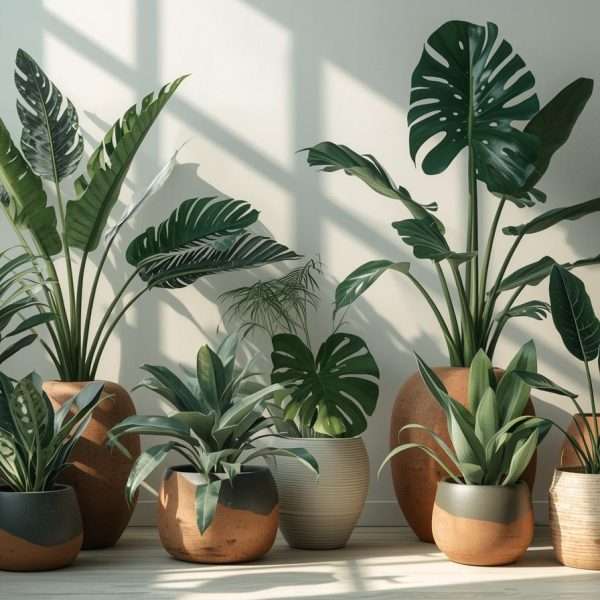
Aluminium plant care (Pilea cadierei) starts by replicating the warm, humid, shaded conditions of its tropical origin. Pilea cadierei (the Aluminum Plant) is a compact evergreen commonly grown indoors for its attractive silver-patterned leaves and easy-care nature.

It typically tops out around 30 cm (12 in) tall, making it ideal for apartment desks, shelves, or terrariums. It’s also non-toxic to pets and children, so it’s a safe, popular houseplant for homes and offices.
Page Contents

Quick-Reference Care Summary
- Light: Bright, indirect light (e.g. near an east or north window); avoid direct sun.
- Water: Keep soil evenly moist but not waterlogged. Water thoroughly, then let the top ~2 cm of soil dry out before watering again.
- Soil: Use a rich, well-draining potting mix (peat- or coco-based with perlite or orchid bark). Good aeration prevents root rot.
- Humidity: Prefers moderate-to-high humidity. Mist leaves occasionally or place the pot on a tray of wet pebbles to boost moisture.
- Temperature: 16–24 °C (60–75 °F) is ideal. Avoid cold drafts or sudden temperature changes.
- Fertilizer: Feed monthly (½-strength balanced houseplant fertilizer) during spring and summer. No feeding in fall/winter.
- Size & Placement: Compact (~30 cm tall) and often used as a tabletop or terrarium plant. Non-toxic to pets and kids.
- Propagation: Easily grown from 10–15 cm stem cuttings (just below a leaf node). Root cuttings in water or moist soil under cover until new roots develop.
Aluminium Plant Care: Plant Overview
The Aluminum Plant has glossy oval leaves boldly streaked with a metallic silver pattern (the “aluminium” look that gives the plant its name).

In its natural habitat (tropical forest understory), it thrives under filtered light in warm, humid air. Indoors, it grows as a low, bushy shrub (around 30 cm tall) and will often trail slightly over pot edges, which makes it attractive on shelves or in hanging baskets.
Its compact size and showy foliage make it a favorite decorative plant for apartments, offices or terrariums. Best of all, it’s non-toxic to people and pets, so you can safely enjoy its bright leaves without worry.
Aluminium Plant Care: Light and Placement

Your houseplant is dying right now — and you have no idea why.
Stop killing your houseplants.
The fix takes 60 seconds.
Snap a photo. LetPlant AI instantly diagnoses what’s wrong, tells you exactly when to water, and alerts you before it’s too late — not after.
FREE Save my houseplants nowNo credit card. No catch. Just healthier houseplants.
The Aluminum Plant thrives with bright, indirect light. A few hours of gentle sun each day (for example, morning light from an east window or afternoon light through a sheer curtain) will keep the leaves vibrant.
Avoid harsh direct sunlight (especially afternoon sun), as it can scorch the foliage and cause brown spots. In low-light apartments, pay attention: insufficient light often leads to leggy, stretched stems and faded leaf patterns.

If natural light is very limited, consider using a grow light on a timer – about 10–12 hours of quality LED lighting can substitute for bright daylight. (One care guide notes you want roughly 200 footcandles of light – below that, leggy growth is likely.)
Aluminium Plant Care: Soil, Watering, and Potting

Use a loose, well-draining potting mix for the Aluminum Plant. A peat-based or coco coir mix amended with perlite, orchid bark or charcoal works well. Always plant in a container with drainage holes.
When watering, keep the soil lightly moist but not saturated. Water thoroughly so moisture reaches the roots, then allow the top ~1–2 cm of soil to dry before watering again. Never let the plant sit in a waterlogged saucer; empty any excess water after watering.
Overwatering is the most common care error: it causes root rot, which shows up as yellowing, wilting leaves or a mushy stem base. If root rot begins, remove the plant from its pot, trim away any brown rotten roots, let the roots dry briefly, and repot in fresh mix with good drainage.

Repotting is also a good idea every 1–2 years or when you see roots circling the pot. When repotting, choose a new container only slightly larger (a few centimeters wider) and use fresh potting mix.
This refreshes nutrients and gives roots room to grow. Trimming away a few old roots can also help the plant establish in its new soil.
Aluminium Plant Care: Temperature and Humidity

Keep the plant in warm indoor temperatures. An ideal range is roughly 16–24 °C (60–75 °F). Nighttime around 16–18 °C is fine, but avoid anything near freezing. The Aluminum Plant dislikes cold drafts, so keep it away from unheated windows or HVAC vents.
As a tropical plant, it loves humidity. Average home air (30–50% RH) is the bare minimum. Aim for higher humidity (50–70% or more) if possible. You can mist its leaves regularly or use a humidity tray (place the pot over a shallow tray of pebbles and water).

Grouping it with other plants or running a humidifier nearby also helps. Higher humidity will keep leaf edges from drying out and makes the plant happier overall.
(One grower notes this species struggles when very dry – it evolved in Vietnam’s rainforest, so medium-to-high humidity is closer to its native conditions.)
Aluminium Plant Care: Fertilizing

During the growing season (spring through summer), fertilize about once a month with a balanced, water-soluble houseplant fertilizer. Use it at half the recommended strength to avoid burn.
Apply when the soil is moist, not dry. This monthly feeding supports lush foliage growth. In fall and winter, cut back or stop fertilizing altogether as the plant’s growth naturally slows. Over-fertilizing can lead to leaf-tip burn, so better to err on the light side with feeding.
Pruning and Propagation

This plant doesn’t need much pruning, but you can trim or pinch back any long, leggy stems to encourage a bushier, more compact shape. Pinching out stem tips will stimulate side shoots and help it stay full.
Propagation is easy. Take a healthy stem cutting about 10–15 cm (4–6 inches) long that has a few leaves and at least one node (leaf joint). Remove the lower leaves and stick the cut end into moist potting mix or even just water.

You can cover the cutting with a clear plastic bag or dome to keep humidity high (make sure there’s a little ventilation).
Keep it in bright indirect light and warm. Roots will form in a couple of weeks. Once rooted, treat the new plant as you would a mature Aluminum Plant. Propagating like this is a great way to refresh an aging plant or share with friends.
Common Problems
- Pests:
 Occasionally spider mites or mealybugs can appear. Spider mites leave fine webbing and tiny yellow speckles; mealybugs look like white cottony patches on stems and leaf joints.
To control them, wipe affected parts with a cotton swab dipped in rubbing alcohol or treat with insecticidal soap/neem oil. - Root Rot (Overwatering):
 Yellowing, wilting leaves and a soft stem base usually mean the roots are too wet. If this happens, cut off any black, mushy roots, let the plant dry out a bit, and repot in fresh, dry soil. Going forward, cut back on watering.
 - Light and Water Stress:
 Brown scorched spots indicate it was in too much direct sun. Limp or dropped leaves can result from sudden cold drafts or very dry air. Leggy growth (long gaps between leaves) means the plant isn’t getting enough light.
The fix is to adjust placement: move it out of harsh sun into filtered light, or give it more light if it’s too dim, and keep its environment stable.
By following these guidelines – bright filtered light, consistent moderate moisture, warm temperatures and humidity , your Aluminum Plant should thrive indoors, even in urban apartments with limited space. With the right care, it will reward you with lush, silvery foliage that enlivens your home or office.