Silver Squill Plant Care starts with knowing this quirky plant’s needs. The silver squill (Ledebouria socialis) is a small bulbous houseplant with silvery-green, leopard-spotted leaves that add instant interest to any room. It’s naturally a very easy, slow-grower that thrives on neglect.
Kept indoors it likes bright light and dry periods, making it a perfect apartment or low-light plant for beginners.

With the right setup – mainly good light and cautious watering – your silver squill will stay healthy and even multiply, creating clumps of little bulbs under its foliage.

Silver squill’s confidence in dry conditions makes it forgiving. It can spend a few weeks without water and won’t mind normal home temperatures or humidity.

Give it a bright, indirect spot (but it tolerates some shade), and let the top inch of soil dry out before you water again. Follow these basic steps and your spotted “silver” plant will stay happy year-round in your apartment.
Quick-Reference Care Summary/checklist
- Light: Bright light or strong indirect light (east/west window is ideal). Tolerates some shade but avoid deep dark corners. Rotate the pot occasionally for even growth.
- Water: Water sparingly. Water thoroughly then let soil dry out almost completely before the next watering. In winter, when the plant rests, water only lightly. Overwatering leads quickly to mushy roots and rot.
- Temperature: Normal indoor temps (around 60–75 °F) are fine. Keep away from cold drafts or heaters. Cannot tolerate frost – definitely bring it indoors if temps drop near freezing.
- Humidity: Prefers average home humidity. It tolerates low humidity, so no need for special misting. Typical living room or bedroom humidity is just fine.
- Soil & Potting: Use a well-draining mix (a general cactus/succulent or houseplant mix with sand/perlite). A terracotta pot with drainage is best so excess water can evaporate. Don’t bury the bulb too deep – about one-third of each round bulb should show above soil.
- Fertilizer: Feed lightly in the growing season (spring/summer) with a balanced houseplant fertilizer (e.g. 10-10-10) at half strength. Skip fertilizer in fall and winter. Less is more here – overfeeding can burn the roots.
- Pruning/Grooming: Simply remove any yellow or dried leaves at the base to keep the plant looking neat. There’s little pruning needed beyond that. Wipe the leaves occasionally with a damp cloth to dust them off so they absorb light better.
- Propagation/Repotting: Silver squill offsets by producing small bulb “pups” around the main bulbs. Every few years when the pot is crowded, you can divide these bulb clusters. Gently lift the plant, pull bulbs apart, and replant sections in their own pots.
- Pests & Problems: Watch for common pests like mealybugs, aphids, spider mites or scale. Overwatering is the biggest issue – soggy soil causes root rot and yellowing or dropping leaves. Brown leaf tips often mean the plant got too much sun or was too dry. Insufficient light can make the plant stretch tall and floppy (droopy), so if yours starts leaning or losing its spots, give it more light.
- Toxicity: Handle with care! Silver squill is toxic to pets and people if eaten. Keep it out of reach of cats, dogs, and children (plant on a high shelf or hanging basket). Even though it’s hardy in care, it can hurt a pet’s tummy if nibbled.
Your houseplant is dying right now — and you have no idea why.
Stop killing your houseplants.
The fix takes 60 seconds.
Snap a photo. LetPlant AI instantly diagnoses what’s wrong, tells you exactly when to water, and alerts you before it’s too late — not after.
FREE Save my houseplants nowNo credit card. No catch. Just healthier houseplants.
Silver Squill Plant Care: Light for Indoor Silver Squill

Silver squill thrives on bright light. A spot near a sunny window that gets several hours of light each day is ideal – east- or west-facing windows work well because they give bright, indirect sunlight without harsh midday sun.
If your space is dim, the plant will survive, but it may grow more slowly and become leggy (losing the crisp variegation).
Avoid putting the plant in scorching direct sun, which can brown the leaves. A little morning or late afternoon sun filtered through a curtain is perfect. Rotate the pot every few weeks so all sides of the plant get light and it stays evenly shaped.
Silver Squill Plant Care: Watering and Soil

Silver squill is drought-tolerant – it stores water in its bulbous base, so it does not need frequent watering. A good routine is to water deeply (until water drains out) and then allow the soil to dry out completely before watering again.
In practice, that usually means watering roughly once every 2–3 weeks in a bright home, and much less often in winter. Overwatering is the most common mistake: wet soil for too long will make the bulbs rot.

If you accidentally overwater, let the soil dry out fully for a while. Use a potting mix designed for succulents or add coarse sand/perlite to potting soil, so water drains quickly. Always have a drainage hole in the pot.
Silver Squill Plant Care: Temperature & Humidity

Silver squill enjoys normal room temperatures (roughly 60–75°F). It doesn’t mind cool nights as long as it stays above about 50°F – below freezing it will die.
There’s no need for special humidity; average home humidity (40–60%) is fine. In fact, dry indoor air is okay. Just avoid placing it right next to a heater or air conditioner vent, which can dry it out too quickly or chill it suddenly.
In winter, as growth slows, let the plant cool a bit (around 60°F) and cut back watering. A slight drop in temperature and wetter soil is its cue for a rest period.
Silver Squill Plant Care: Soil Mix and Potting
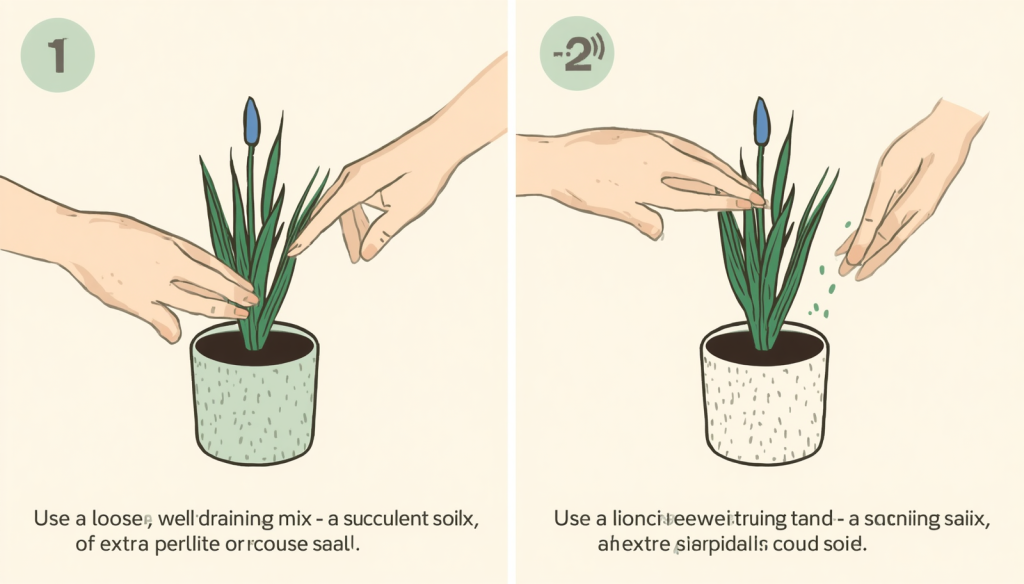
Because silver squill is prone to rot, soil drainage is key. Use a loose, well-draining mix – a succulent/cactus mix or regular potting soil with extra perlite or coarse sand. Light, humus-rich sandy soil is ideal.
Terra cotta pots are great because they let the soil dry out faster. Choose a relatively small pot (silver squill only grows 6–10″ tall) with drainage holes. When repotting, only move to a pot 1–2″ larger, because a big pot will hold too much moisture.
Silver squill naturally multiplies into clusters of bulbs. As these bulbs pack tighter over time, you’ll see many small rosettes in one pot. That’s the sign to repot or divide – either give it a wider pot, or break apart the clump.
Silver Squill Plant Care: Fertilizing

This plant has low fertilizer needs. During the spring and summer active growth, feed once a month with a diluted balanced houseplant fertilizer (like 10-10-10 at half strength). This supports fuller foliage and the infrequent blooms (greenish flowers on pink stalks in spring).
In fall and winter, don’t fertilize at all – the plant is resting. Over-fertilizing can cause burned leaf tips or weak growth, so err on the side of underfeeding. A sign of too much fertilizer is brown crust around the soil edge; if you see that, flush the pot with water a few times to wash salts away.
Silver Squill Plant Care: Propagation and Repotting
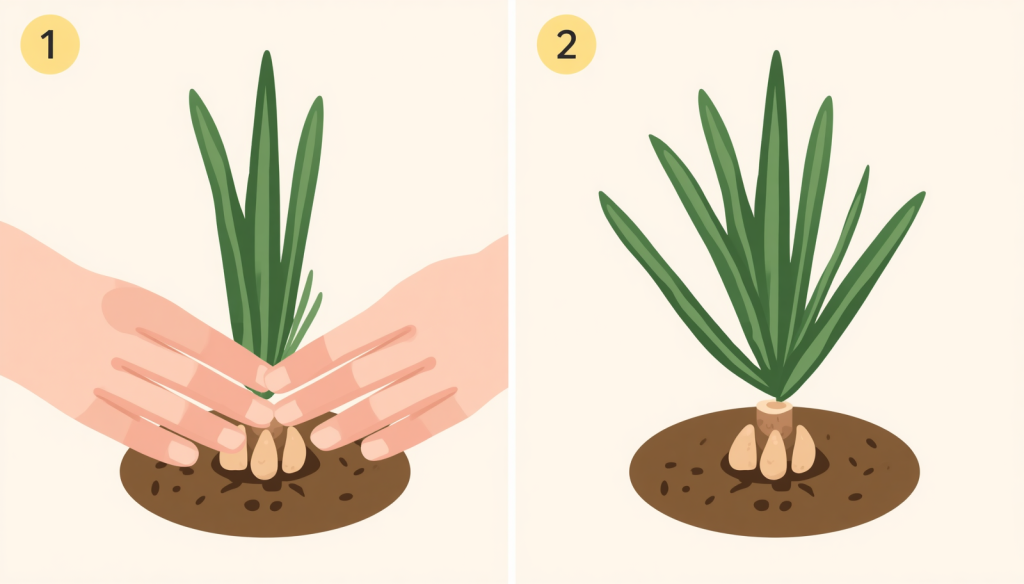
Propagating silver squill is easy – you just divide its bulbs. When the plant has grown well, usually after it flowers or simply every 2–3 years, gently lift it out. You’ll see many teardrop-shaped bulbs in the soil. Break these apart so each bulb (or cluster of a few bulbs) has a bit of soil attached.
Replant the divisions in their own pots, burying about half the bulb in fresh mix. Keep them lightly moist until you see new leaves.
In practice, you may also just repot the whole clump into a slightly larger pot every few years. To repot, use fresh soil and be careful not to damage the bulbs – pot so that the bulbs sit just under or at the soil surface.
Common Problems with Silver Squill Plant Care
- Yellow or mushy leaves:

Usually overwatering/poor drainage. Let soil dry out, trim off rotted roots, and repot in fresh mix. - Brown leaf edges: Can mean it’s too dry or got too much sun. Ensure steady watering (but not constant wet) and move it out of harsh direct sun if browning.
- Leggy, drooping growth:

Sign of too little light. If the plant stretches toward the window or looks limp, give it a brighter location. - Pests: Check the underside of leaves occasionally. Mealybugs and spider mites can appear; wipe leaves with soapy water or neem oil to control them.
- No bloom: Silver squill flowers are not the main feature, but if you want blooms, ensure a cooler, drier winter rest. Don’t water much in winter and keep temps a bit lower so it enters dormancy.
Conclusion
Growing a silver squill indoors can be rewarding and pretty hassle-free. With these care tips – bright light, careful watering, and well-draining soil – this silver-spotted houseplant will thrive even in urban apartments.
It will reward you with clumps of attractive foliage and even small spring flowers if properly “rested” in winter. Its easy-going nature means it’s forgiving of occasional forgetfulness.
Keep an eye out for the few issues noted above, and soon you’ll have a lush little display of patterned leaves that livens up your space. Following this guide will have your silver squill looking its best, making it a stunning, low-maintenance addition to your home.