Calathea Freddie plant care starts with knowing that this tropical houseplant is prized for its bold, zebra-like striped leaves and its ability to thrive indoors.
Native to the rainforests of Brazil, Freddie has broad green leaves with light-green stripes and even folds its leaves up at night like a “prayer plant”. Its lush foliage and low-light tolerance make it a cheerful addition to apartments and indoor gardens.

Calathea Freddie plant care means recreating the warm, humid understory conditions it loves, but it’s quite forgiving once you get the basics right. This easygoing beauty will show off its patterns best if you give it bright, indirect light and steady moisture.

In a nutshell, Freddie doesn’t like hot sun or chilly drafts. With the right spot and care, even a beginner can keep this plant looking vibrant.
Quick-Reference Care Checklist
- Light: Bright, indirect light is ideal; tolerates low light but never direct sun.
- Water: Keep the soil evenly moist. Water when the top ~25% of soil is dry; usually every 1–2 weeks depending on light and season.
- Humidity: High humidity (50%+) is best. Mist regularly or use a pebble tray or humidifier to prevent brown leaf edges.
- Temperature: Warm indoor temps (65–85°F) are perfect; avoid dropping below ~60°F and keep away from cold drafts or hot vents.
- Soil: Use a well-draining, organic-rich mix. For example, a mix of potting soil with perlite and bark (50% potting soil + 25% orchid bark + 25% perlite) provides good drainage while retaining moisture.
- Fertilizer: Feed lightly in spring and summer. Use a balanced houseplant fertilizer about once a month (diluted) in the growing season; skip fertilizer in fall/winter.
- Common Issues: Watch for brown leaf tips (often from dry air or tap water salts) and yellowing or drooping leaves (usually from overwatering). Use filtered or distilled water if tap water is hard.
- Pet Safety: Calathea Freddie is non-toxic to cats and dogs, so it’s safe to keep around pets.
Calathea Freddie Plant Care: Light and Placement

Calathea Freddie prefers bright, indirect light but is notably tolerant of lower-light conditions. This makes it an excellent choice for apartments or rooms with limited sun.
Place it near an east- or north-facing window, or in a bright room that doesn’t receive harsh afternoon rays.
Avoid direct sunlight, which will scorch the delicate leaves and fade their stripes. If you see the plant leaning toward a light source, simply rotate the pot every week or two to keep growth even and balanced.
Your houseplant is dying right now — and you have no idea why.
Stop killing your houseplants.
The fix takes 60 seconds.
Snap a photo. LetPlant AI instantly diagnoses what’s wrong, tells you exactly when to water, and alerts you before it’s too late — not after.
FREE Save my houseplants nowNo credit card. No catch. Just healthier houseplants.

If natural light is very low, a bright fluorescent or LED grow light can help keep your Calathea happy (though Freddie can generally manage dimmer corners better than many other calatheas).
Just be sure not to place it in complete darkness – some soft light is needed for those patterns to shine. In summary, aim for a spot where light is filtered through sheer curtains or reflected off walls, mimicking its forest-floor roots.
Calathea Freddie Plant Care: Watering

Calathea Freddie likes its soil to stay evenly moist (but never waterlogged). Water thoroughly, letting water flow out the bottom, and then empty any saucer so roots aren’t sitting in standing water. A good rule of thumb is to water when the top inch of soil feels dry to the touch.
This often ends up being about once every one to two weeks for an average home environment, but adjust as needed – it may be more frequent in bright light or during warm weather, and less in lower light or cooler months.
To water well, try soaking the entire root ball. You can even place the plant in a sink or shower and water from above for a minute or two, then allow it to drain completely.
This ensures all roots get hydrated evenly. Avoid just pouring water in the center; make sure it reaches the soil around all sides.
Calatheas hate dry spells, so don’t let the soil dry out completely. If you forget to water, watch for signs like leaves curling upwards or drooping – these indicate it’s too dry.
Conversely, yellowing leaves at the base or a mushy bottom stem means too much water. If overwatered, cut back and let the soil dry a bit more between waterings.
Also be mindful of water quality. Tap water can contain chlorine and minerals that burn Calathea leaves. Many owners use filtered, rain, or distilled water, or simply fill a pitcher and let tap water sit out overnight before use.

Using room-temperature water is best (cold shock can harm the roots). In short: keep the soil moist, not soggy, and adjust frequency by checking the soil rather than on a strict schedule.
Calathea Freddie Plant Care: Soil and Potting

A loose, well-draining potting mix is important for Calathea Freddie. Aim for a mix that retains moisture yet lets excess drain away quickly.
A common recipe is 50% high-quality indoor potting soil mixed with 25% perlite (for airiness) and 25% orchid bark or charcoal.
This blend holds just enough water but prevents the roots from sitting in heavy wet soil. You can also use peat or coconut coir as part of the mix to help retain moisture without packing down.

Use a pot with drainage holes. Terracotta or breathable containers can help excess moisture evaporate. If your plant is rootbound (roots circling the bottom), consider repotting into a slightly larger pot once a year or when new growth slows.
Repotting is also a great time to freshen the soil and remove any compacted or rotten bits. If dividing, Freddie can be propagated by gently separating clumps (each section with roots) and potting them up.
Be careful not to pack the soil too tightly – the roots like some space to grow and for air to circulate.
In general, lightweight, organic-rich soil (slightly acidic if you can test it) will keep Calathea Freddie happy. A good mix, plus a pot that drains well, goes a long way toward preventing root rot from overwatering.
Calathea Freddie Plant Care: Humidity and Temperature
Calathea Freddie is a rainforest plant at heart, so humidity is a key factor. Aim for at least 50% humidity around the plant; higher is even better.
In dry apartment air, you’ll often see leaf edges turn brown or crispy when humidity is too low. To boost humidity, try one or more of these tricks:
- Misting:

Spray the leaves with lukewarm water a few times a week (not ice-cold), so long as your home isn’t already very damp. - Pebble tray: Fill a shallow tray with water and pebbles, and set the pot on the pebbles (water level just below the pot’s base). The evaporating water raises humidity around the plant.
- Humidifier:

This is the most reliable method. Keeping a small humidifier in the room during dry months can keep the air comfortable for your calathea. - Group plants: Clustering your houseplants together creates a mini-microclimate; as they transpire, they boost each other’s humidity. Bathrooms or kitchens (with enough light) are natural humid spots and can be great homes for a Calathea Freddie.
Ideal temperature is the normal cozy indoor range. Keep it between about 65–85°F (18–30°C). Do not let it drop below about 60°F, as this can cause leaf damage.
Also avoid placing Freddie near air vents or drafty windows. Sudden cold drafts or hot dry air from heaters can harm the plant. Consistency is key – it thrives in the warmth and humidity of a tropical home.
If your heating system makes the air very dry in winter, pay extra attention to humidity. A warm room with very low humidity will stress the plant. On the other hand, Calathea Freddie does not like cold conditions or frost at all – it will drop leaves if chilled.
Calathea Freddie Plant Care: Fertilizing

Feed Calathea Freddie sparingly during the growing season (spring through early fall). A balanced, water-soluble houseplant fertilizer applied at half the recommended strength about once a month is usually sufficient.
Because Freddie is not a heavy feeder, err on the side of weaker fertilizer to avoid burning the roots. Stop fertilizing in late fall and winter when growth naturally slows down.
During spring and summer, regular feeding helps support new leaf growth. If you notice yellowing leaves or unusually pale stripes, it could hint at a nutrient need (though also check watering issues first).

A fertilizer with a bit of added iron or micronutrients can help maintain the bright leaf colors. Always water the plant first, then feed – never pour fertilizer into dry soil, as this can burn roots.
In short: fertilize lightly and regularly during active growth, and give the plant a break in the cooler months.
Some gardeners prefer organic options like fish emulsion or compost tea, which are gentler. The key is consistency: a monthly schedule (or even every other feeding) usually keeps a Calathea thriving without risk of overfertilization.
Common Problems and Troubleshooting
Even with good care, you might spot some issues. Here are the most common problems and fixes for Calathea Freddie:
- Brown leaf tips or edges:
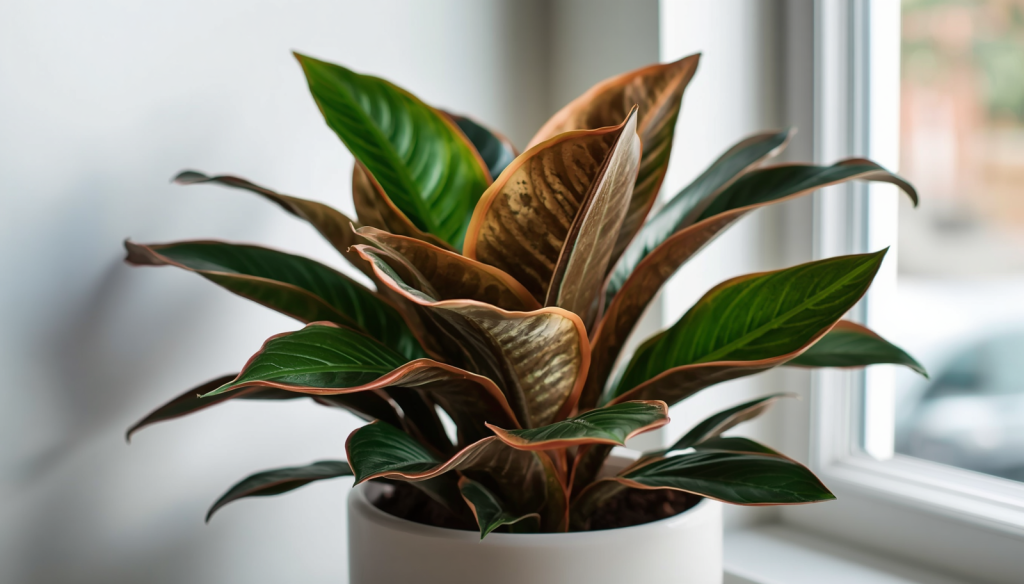
This almost always means the air is too dry or the plant has absorbed salts/minerals from water. Increase humidity (see above) and switch to filtered or distilled water. Trim off any crispy tips so the plant looks tidy. - Yellow leaves or black base:

These are signs of overwatering or poor drainage. If the soil is constantly wet, cut back on watering and ensure the pot drains well. Remove any fully yellow leaves. You may need to repot in fresh mix if root rot has set in. - Curling or drooping leaves: Usually this means underwatering – the plant is too dry. Give it a good drink, but then resume regular watering (don’t let it go bone-dry). Check humidity too; very dry air can also cause leaves to curl.
- Leaf spots or mottling: Black or brown spots can be fungal, especially if leaves stay wet on the surface. It can also come from mineral buildup if using hard tap water. Remove affected leaves and adjust watering: water early in the day and use clean water. Improving air circulation (a small fan) can help dry leaves and prevent fungus.
- Fungus gnats: These little flies show up if the soil stays too damp. Let the soil dry out slightly between waterings, and consider using a layer of sand or sticky traps to catch them. Sometimes cinnamon on soil surface or beneficial nematodes can knock down larvae.
- Spider mites:Look for fine webbing or tiny specks on undersides of leaves in very dry conditions. Misting more often or wiping leaves can help control mites. Severe infestations may need an insecticidal soap.
Most issues with Calathea Freddie are tied to water, humidity, or light. Keep notes on your plant’s behavior and adjust care if needed. Regularly wipe the leaves with a damp cloth to remove dust and check for pests. With quick attention, these problems can usually be corrected without lasting harm.
Conclusion
Calathea Freddie is a rewarding houseplant that adds bold, tropical flair to indoor spaces. With bright, indirect light and warm, humid air, it will grow lush and vibrant, even in apartments with moderate lighting.
Remember to water carefully (keeping the soil moist but never soggy), feed lightly during spring and summer, and watch for brown tips or drooping leaves as clues to its needs. Its tolerance of lower light and pet-friendly nature make it an excellent plant for beginners and busy city gardeners.
By following this detailed care guide, you’ll help your Calathea Freddie feel right at home. Over time, it will reward you with stunning foliage and lively movement (raising and lowering its leaves each day). Keep learning and tweaking, and soon you’ll find this “zebra plant” a striking, low-maintenance companion for your indoor jungle.