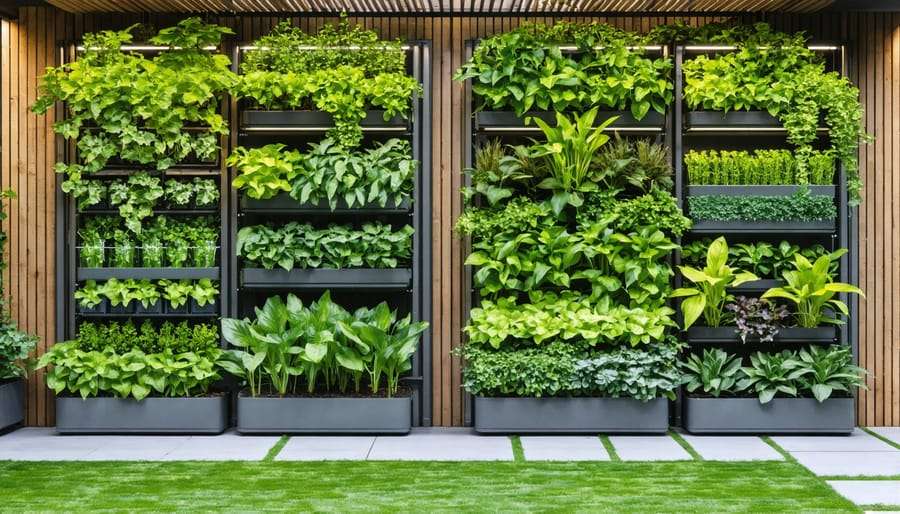
Smart plant monitoring systems, equipped with sensors, artificial intelligence, and intuitive user interfaces, offer a revolutionary way for busy gardeners to care for their plants. These systems promise not only convenience but also efficiency, precision, and sustainability. This article explores how smart plant monitoring systems save time and effort for modern gardeners, drawing inspiration from literature, movies, and academic research.
1. Automating Plant Care: Time Efficiency at Its Best
“Time is the most valuable thing a man can spend.” – Theophrastus
One of the primary advantages of smart plant monitoring systems is their ability to automate essential tasks like watering, lighting, and fertilization. For busy gardeners juggling multiple responsibilities, this automation eliminates the guesswork and manual labor traditionally associated with plant care.

For instance, smart systems like LetPlant analyze soil moisture and provide water only when needed. This not only saves time but also conserves water, aligning with the global push toward sustainability.
Research Insight:
A study published in the Journal of Smart Agriculture (2022) found that automated irrigation systems reduce water consumption by up to 30%, making them ideal for eco-conscious gardeners.
Illustration in Media:
In the movie The Martian (2015), Mark Watney, the stranded astronaut, manages to grow potatoes on Mars using an improvised smart monitoring system. While his setup was rudimentary, it demonstrates how technology can make plant care possible even in the most challenging environments.
2. Real-Time Monitoring: Empowering Gardeners with Data
“Knowledge is power.” – Francis Bacon
Smart plant monitoring systems provide real-time data on various parameters, including temperature, humidity, soil pH, and light exposure. Through mobile apps and dashboards, gardeners receive instant alerts if conditions deviate from the optimal range. This enables quick decision-making and prevents plant damage.
For instance, a gardener with limited time can use a system like GreenIQ to monitor plant health from their smartphone, even while at work or on vacation.
Your houseplant is dying right now — and you have no idea why.
Stop killing your houseplants.
The fix takes 60 seconds.
Snap a photo. LetPlant AI instantly diagnoses what’s wrong, tells you exactly when to water, and alerts you before it’s too late — not after.
FREE Save my houseplants nowNo credit card. No catch. Just healthier houseplants.
Research Insight:
According to a report in Frontiers in Plant Science (2021), gardeners using real-time monitoring systems reported a 25% improvement in plant health and productivity.
Literary Connection:
In The Secret Garden by Frances Hodgson Burnett, Mary Lennox’s discovery of the garden symbolizes the transformative power of attention and care. Today’s smart systems offer similar care—only digitally—ensuring every plant thrives.
3. Personalized Plant Care Plans
“It is not the strongest of the species that survive, nor the most intelligent, but the one most responsive to change.” – Charles Darwin
Every plant has unique needs. Smart monitoring systems use artificial intelligence to tailor care plans specific to each species. They consider factors such as growth stages, seasonal changes, and regional climate. For gardeners who might not have expert-level knowledge, this guidance ensures optimal results with minimal effort.
Take, for example, the Xiaomi Mi Flora Sensor, which provides customized tips based on the specific plant species and local environment.
Research Insight:
A paper in Agricultural Systems (2023) highlighted that personalized care plans increased crop yields in home gardens by 40%, showcasing the value of tailored solutions.
Movie Connection:
In Interstellar (2014), Cooper and his team rely on precision technology to adapt crops to Earth’s deteriorating climate. This concept of adaptive, data-driven care resonates with the personalized plant management offered by smart systems.
4. Reduced Human Error
“Even the simplest tools can empower people to do great things.” – Biz Stone
Traditional gardening often involves trial and error, leading to wasted time, effort, and resources. Smart plant monitoring systems eliminate these errors by providing accurate recommendations based on scientific analysis.
For instance, an overwatered plant may take weeks to recover—if it survives at all. Systems like Parrot Flower Power notify gardeners when plants need water, preventing overwatering or neglect.
Research Insight:
A 2020 study in Horticulture Research found that smart systems reduced plant mortality rates by 50%, attributing this to precise care interventions.
Literary Connection:
In The Alchemist by Paulo Coelho, Santiago learns to trust in the language of the world to achieve his goals. Similarly, gardeners can trust the “language” of data provided by smart systems to care for their plants effectively.
5. Integration with Smart Homes
“Home is not a place, it’s a feeling.” – Cecelia Ahern
For gardeners who have embraced smart home technology, plant monitoring systems integrate seamlessly with existing ecosystems. Voice assistants like Alexa or Google Assistant can control irrigation schedules, while automated blinds adjust light exposure for indoor plants.
This integration creates a unified, hands-free experience, allowing gardeners to manage their plants with simple voice commands or pre-set routines.
Research Insight:
The Journal of Internet of Things (2023) noted that smart home integration enhances user experience and boosts system adoption by 60%, particularly among urban dwellers.
Movie Connection:
In Iron Man (2008), Tony Stark uses Jarvis, his AI assistant, to control his environment effortlessly. Similarly, smart monitoring systems enable gardeners to achieve precision care with minimal effort.
6. Sustainable Gardening: A Global Imperative
“The Earth is what we all have in common.” – Wendell Berry
Smart plant monitoring systems align with sustainable gardening practices by optimizing resource use. They reduce water wastage, prevent over-fertilization, and support eco-friendly pest control methods.
Busy gardeners can contribute to environmental conservation without compromising convenience. For instance, systems like Edyn Garden Sensor provide insights into soil health, helping gardeners use organic fertilizers more effectively.
Research Insight:
The International Journal of Environmental Sustainability (2022) reported that smart gardening technologies could reduce the carbon footprint of home gardens by 20%.
Literary Connection:
In Rachel Carson’s Silent Spring, the author highlights the importance of mindful environmental stewardship. Today’s smart systems empower gardeners to follow these principles effortlessly.
7. Enhanced Accessibility for All
“Technology is best when it brings people together.” – Matt Mullenweg
Smart plant monitoring systems make gardening accessible to individuals with limited mobility, elderly gardeners, or those with disabilities. Remote monitoring and automation reduce the physical labor required, enabling a broader audience to enjoy the benefits of gardening.
For example, seniors who cannot manually water plants daily can rely on automated irrigation systems controlled via smartphone apps.
Research Insight:
A 2021 report by the American Society on Aging highlighted that smart gardening tools improve mental well-being and promote inclusivity.
Movie Connection:
In Up (2009), Carl finds solace in tending to his home and garden, despite physical limitations. Smart systems extend this joy to those who might otherwise struggle with traditional methods.
8. Encouraging Urban Gardening
“The future belongs to those who prepare for it today.” – Malcolm X
Urban gardening is on the rise as people seek to bring greenery into concrete jungles. However, limited space and time often hinder success. Smart plant monitoring systems solve these challenges by optimizing care for small-scale gardens, balcony setups, or indoor plants.
For example, Click & Grow’s smart pots allow urban dwellers to grow herbs, vegetables, and flowers effortlessly, even in cramped apartments.
Research Insight:
A 2022 survey by Urban Green Spaces Initiative found that 70% of urban gardeners credited smart systems with enhancing their gardening success.
Literary Connection:
In The Vertical Farm by Dickson Despommier, urban agriculture is portrayed as a solution to food scarcity. Smart systems bring this vision closer to reality for individual gardeners.
9. Fostering a Deeper Connection with Nature
“Look deep into nature, and then you will understand everything better.” – Albert Einstein
Contrary to the fear that technology may distance people from nature, smart plant monitoring systems often foster a deeper appreciation for it. By understanding data insights and observing plant growth over time, gardeners develop a stronger connection to their green companions.
Research Insight:
The Journal of Ecological Psychology (2023) concluded that technology-enhanced gardening improves mindfulness and reduces stress.
Movie Connection:
In Avatar (2009), the Na’vi’s bond with their environment illustrates the harmony between humans and nature. Smart systems promote this harmony by making plant care more intuitive and engaging.
10. Future Innovations: The Road Ahead
“The best way to predict the future is to invent it.” – Alan Kay
As technology evolves, smart plant monitoring systems are poised to become even more sophisticated. Future advancements may include predictive analytics, AI-driven pest management, and carbon tracking features. These innovations will further reduce the effort required while maximizing benefits for gardeners.
Research Insight:
A 2024 forecast by TechGardens Inc. predicts that the smart gardening market will grow by 15% annually, driven by innovations in AI and IoT.
Literary Connection:
In Isaac Asimov’s Foundation series, the use of predictive algorithms to shape civilizations mirrors the potential of data-driven tools to revolutionize gardening.
Conclusion
Smart plant monitoring systems are transforming gardening from a labor-intensive chore into an efficient, rewarding experience. By automating tasks, providing real-time insights, and fostering sustainability, these tools empower busy gardeners to nurture thriving plants with minimal effort. As Wendell Berry aptly said, “The care of the Earth is our most ancient and most worthy responsibility.” With smart systems, fulfilling this responsibility has never been easier—or more fulfilling.