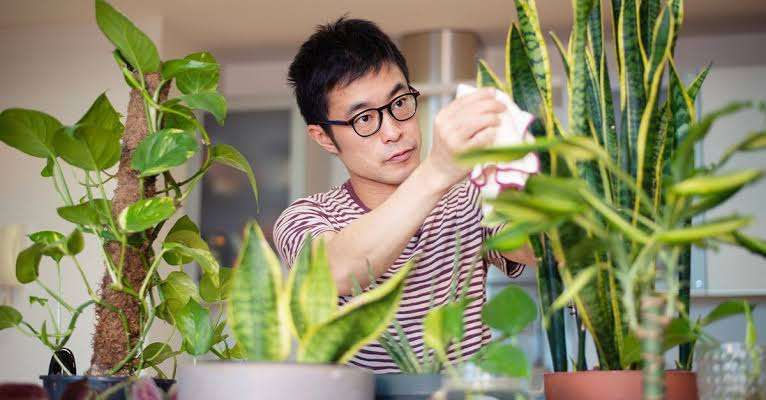
In recent years, indoor plant styling has evolved from a niche hobby into a major trend in interior design. Beyond mere decoration, indoor plants can breathe life into our homes, improve our mental health, and even boost air quality. This article delves into the art of indoor plant styling, exploring its benefits, principles, and practical tips.
The Science Behind

The positive impact of indoor plants on human health and well-being is well-documented. A study published in The Journal of Physiological Anthropology found that interaction with indoor plants reduced physiological and psychological stress. Furthermore, NASA’s Clean Air Study revealed that certain plants, like the peace lily and snake plant, can remove toxins such as benzene and formaldehyde from indoor air.

“Plants give us oxygen for the lungs and for the soul,” said Linda Solegato, encapsulating how greenery connects us to nature and nurtures our inner peace.
Benefits of Indoor Plant Styling
1. Enhancing Mental Well-Being
Incorporating plants into your living space can transform your mood. A study by the University of Exeter found that workplaces with plants reported a 15% increase in productivity and a 37% reduction in tension. Similarly, in The Secret Garden by Frances Hodgson Burnett, Mary Lennox’s emotional transformation parallels her discovery of nature’s restorative powers:
“The secret garden bloomed and bloomed and every morning revealed new miracles.”
2. Improving Air Quality
As Dr. B.C. Wolverton noted in How to Grow Fresh Air, “Indoor plants can effectively remove indoor air pollutants, making our homes healthier to live in.” Styling with plants like ferns, pothos, and areca palms not only beautifies a room but also purifies its air.
3. Boosting Creativity
The biophilic design principle posits that connecting with nature inspires creativity. The set designers of Avatar drew inspiration from lush tropical forests, showing how greenery can spark the imagination.
Principles of Indoor Plant Styling
To master indoor plant styling, consider the following principles:
1. Balance and Proportion
Balance in design ensures that the plant arrangement complements the room. A large monstera can anchor a spacious living room, while a collection of succulents may suit a compact workspace.
Your houseplant is dying right now — and you have no idea why.
Stop killing your houseplants.
The fix takes 60 seconds.
Snap a photo. LetPlant AI instantly diagnoses what’s wrong, tells you exactly when to water, and alerts you before it’s too late — not after.
FREE Save my houseplants nowNo credit card. No catch. Just healthier houseplants.
2. Variety in Texture and Color
Different plants bring unique textures and hues. Pair the shiny leaves of a rubber plant with the feathery foliage of a Boston fern to create visual contrast.
3. Functionality
Strategically place plants for both aesthetics and utility. Snake plants can act as natural dividers, while trailing pothos can soften hard lines in a room.
4. Lighting Considerations
Indoor plants thrive when matched with the right lighting. As noted in The Plant Rescuer by Sarah Gerrard-Jones, “Choosing a plant suited to your lighting conditions is essential for long-term success.”
Tips for Styling Indoor Plants
Create Focal Points
Use large plants like fiddle-leaf figs or palms to draw attention to specific areas. As Coco Chanel once said, “An interior is the natural projection of the soul.” Let your plant displays reflect your personality.
Group Plants for Impact
Cluster plants in odd numbers, varying their heights to create a dynamic display. This technique, often used in ikebana (Japanese flower arrangement), emphasizes asymmetry and harmony.
Leverage Creative Containers
Choose pots that complement your decor. Whether terracotta for a rustic vibe or sleek metallic for a modern touch, the container can amplify your plant’s impact.
Incorporate Vertical Space
Install shelves, macramé hangers, or wall-mounted planters to make use of vertical space. “The best rooms have something to say about the people who live in them,” interior designer David Hicks noted, and vertical gardens can add a personalized touch.
Statistics Supporting the Trend
The rise in indoor plant styling is undeniable. According to the National Gardening Survey, 18–34-year-olds make up the fastest-growing segment of indoor gardeners. In 2020 alone, sales of houseplants increased by 50% in the U.S., a trend fueled by the pandemic-induced focus on home improvement.
Conclusion
Indoor plant styling is more than a design trend; it’s a lifestyle that nurtures well-being, creativity, and a deeper connection to nature. As Robin Wall Kimmerer writes in Braiding Sweetgrass, “Even a wounded world is feeding us. Even a wounded world holds us, giving us moments of wonder and joy.”
Embrace the art of indoor plant styling to transform your home into a sanctuary of greenery and inspiration. By doing so, you’re not just decorating a space—you’re cultivating a life enriched by nature.