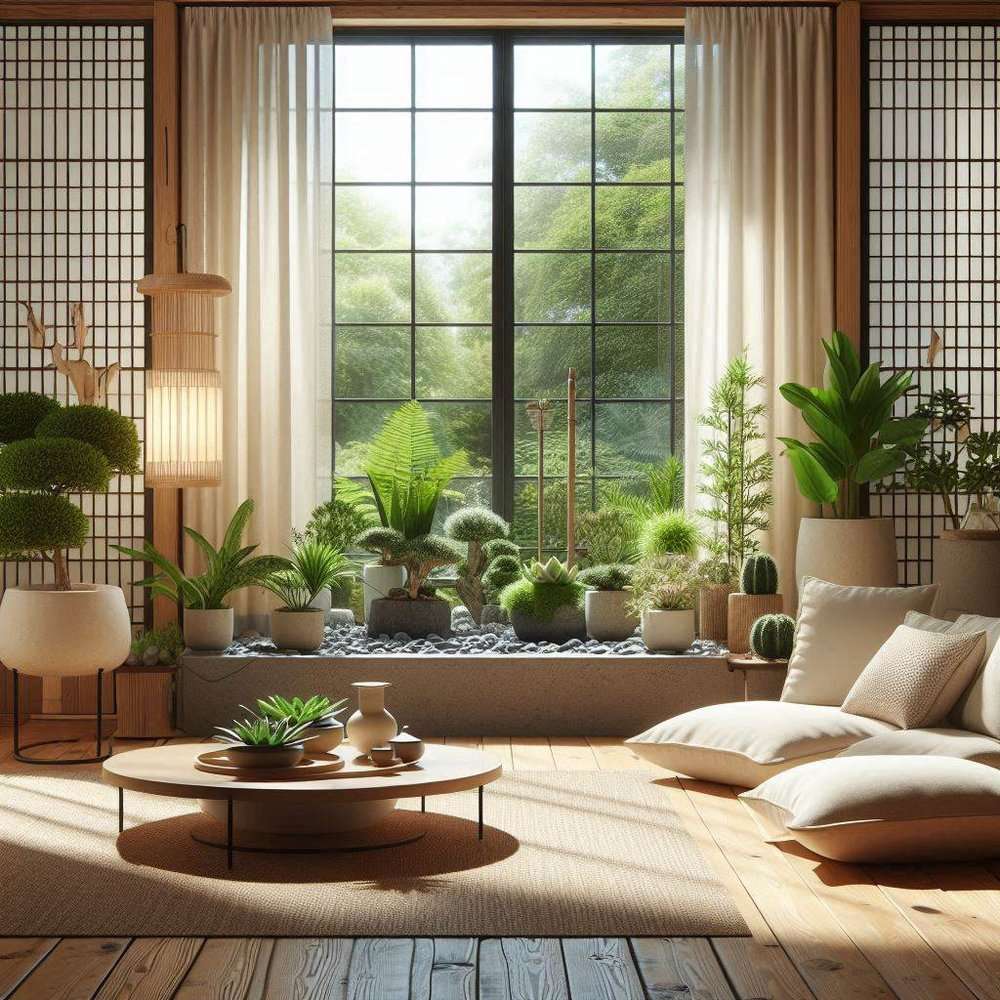
Creating a serene and calming living space is more important than ever in our fast-paced world. Incorporating indoor plants into your home decor is one of the most effective ways to achieve this. Not only do plants enhance the aesthetic appeal of your home, but they also offer numerous mental and physical health benefits. This article explores creative indoor plant decor ideas while backing up claims with scientific insights, expert quotes, and compelling statistics.
The Science Behind the Calming Power of Plants
The presence of indoor plants has been scientifically linked to reduced stress and improved well-being. A study published in the Journal of Physiological Anthropology concluded that interaction with indoor plants can reduce physiological and psychological stress. Researchers noted, “Active interaction with indoor plants can reduce autonomic nervous system activity and lower blood pressure, leading to a more relaxed state.”
Moreover, NASA’s Clean Air Study found that indoor plants can effectively remove toxins from the air, such as formaldehyde and benzene, enhancing air quality. This dual benefit of improved mental state and purified air makes plants indispensable for a serene living space.

Creative Indoor Plant Decor Ideas
1. Hanging Planters for Vertical Elegance
Hanging planters are perfect for adding greenery without taking up floor space. They are especially useful in smaller living areas. Macramé hangers, for instance, add a bohemian touch to interiors while keeping plants like pothos and ivy within view.
“Plants don’t just occupy a place in your home; they occupy a place in your soul.” – Robin Wall Kimmerer, Braiding Sweetgrass
2. Statement Pieces with Large Plants
Use large plants such as fiddle-leaf figs or monstera deliciosa as focal points. Position them in decorative pots in living rooms or corners to anchor the space. These plants are ideal for creating an instant impact and bringing life to a room.
Pro Tip:
Place large plants near a window with filtered light to ensure optimal growth. A study by the University of Michigan found that exposure to natural elements like plants can increase attention span and memory retention by 20%.
3. Green Shelving Units
Combine your love for books and plants by styling a shelf with small potted plants, like succulents and cacti, interspersed between books and decor items. This not only adds vibrancy but also creates a visually pleasing balance.
4. Bathroom Oasis
Bathrooms can also be transformed into spa-like retreats with the right plants. Ferns, peace lilies, and bamboo thrive in humid environments, making them perfect additions to your bathroom.
Did You Know? Adding plants to your bathroom can improve humidity levels, which is beneficial for your skin and respiratory system.
5. Edible Indoor Gardens
Why not create a serene and functional space by incorporating herbs like basil, mint, and rosemary? These plants not only add greenery but also provide fresh ingredients for your meals.
Your houseplant is dying right now — and you have no idea why.
Stop killing your houseplants.
The fix takes 60 seconds.
Snap a photo. LetPlant AI instantly diagnoses what’s wrong, tells you exactly when to water, and alerts you before it’s too late — not after.
FREE Save my houseplants nowNo credit card. No catch. Just healthier houseplants.
Practical Tips for Indoor Plant Care
Even the most stunning decor can lose its charm if plants aren’t well cared for. Here are some essential tips:
- Light Matters: Each plant has unique light requirements. For example, succulents love bright, direct sunlight, while peace lilies thrive in indirect light.
- Watering: Overwatering is the most common mistake. Stick to the rule: it’s better to underwater than overwater.
- Soil and Pots: Use well-draining soil and ensure pots have drainage holes to prevent root rot.
Statistic to Note: A 2020 survey by Gardening Know How revealed that 67% of plant owners feel a significant mood boost after caring for their plants.
The Psychological Impact of Indoor Plants
Numerous studies have highlighted the emotional benefits of surrounding yourself with plants. A 2015 study in the Journal of Environmental Psychology found that individuals who spent time in spaces with greenery reported higher satisfaction levels and reduced anxiety.
“There is something profoundly healing about bringing the outside in. Plants connect us to nature, reminding us of our roots.” – Richard Louv, Last Child in the Woods
Furthermore, plants encourage mindfulness. Tending to them becomes a meditative activity, helping you disconnect from screens and focus on the present.
Indoor Plants as a Design Element
Integrating plants into your decor can elevate your interior design. Consider these ideas:
- Monochrome Spaces: Use plants with vibrant green hues to add contrast to neutral or monochrome rooms.
- Color Coordination: Match plant pots with your room’s color scheme for a cohesive look.
- Layering Plants: Group plants of varying heights and textures for a lush, dynamic arrangement.
Trending Decor:
Terrariums have gained popularity for their versatility and modern appeal. These miniature gardens are low-maintenance and can be customized to suit your style.
Inspiring Statistics About Indoor Plants
- According to the National Gardening Association, 30% of U.S. households have incorporated indoor plants into their decor as of 2023.
- A report from the American Society for Horticultural Science states that 58% of millennials consider plants an essential part of home decor.
- Homes with plants were found to have 10-15% better indoor air quality, according to a study by the University of Technology Sydney.
Indoor plants are more than just decorative elements—they are life-enhancing companions. From purifying the air to reducing stress, their benefits are undeniable. By creatively integrating them into your living space, you can cultivate a serene and rejuvenating environment that nourishes both body and soul.
So, embrace the green revolution and transform your home into a tranquil sanctuary. After all, as the famous landscape architect Frederick Law Olmsted once said, “Nature is the key to our aesthetic, intellectual, cognitive, and even spiritual satisfaction.”