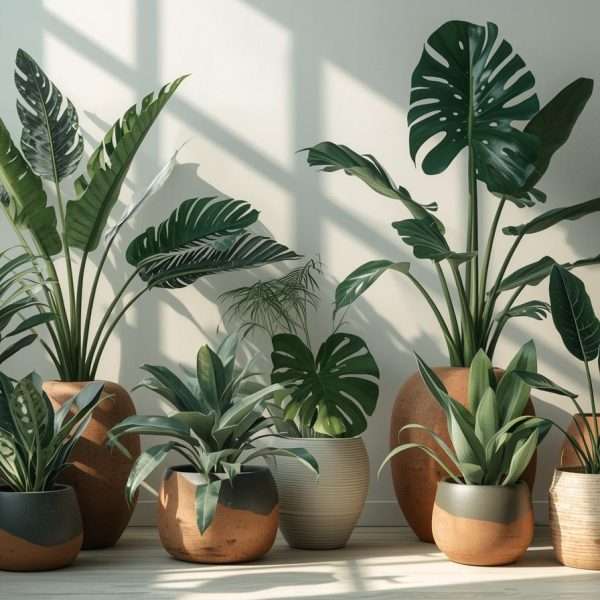
Zamia plant care starts with understanding that these ancient cycads (often called cardboard palms) prefer bright, indirect light and infrequent watering.
They have stiff, pinnate leaves on a short, stout trunk and grow slowly. In low-light apartments they can survive, but do best with extra light (or grow lights) and careful watering.

Keep humidity moderate, use a very well-draining soil, and watch for pests. With the right attention, your Zamia will remain a tough, architectural houseplant.

Quick-Reference Care Checklist
- Light: Bright indirect light (a few hours of gentle morning/late sun is ideal). Rotate occasionally for even growth.
- Water: Water sparingly. Let the top 1–2 inches of soil dry before watering. Water deeply, then allow excess to drain; avoid soggy soil. Reduce watering in winter.
- Humidity: Prefers moderate to high humidity. Mist foliage or use a humidity tray if indoor air is very dry. Avoid placing Zamia near radiators or heating vents.
- Temperature: Warm steady temperatures (about 60–85°F or 15–30°C) are best. Protect from drafts and do not let it freeze.
- Soil: Use a loose, very well-draining potting mix – e.g. a cactus/palm or sandy mix with perlite or orchid bark. Good drainage is critical to prevent root rot.
- Fertilizer: Light feeder. During the growing season (spring–summer) use a diluted balanced fertilizer every few months (e.g. slow-release 10-10-10 or a “palm” fertilizer).
Many recommend only 2 feeds per year (spring and fall). Avoid over-fertilizing – Zamias grow slowly. - Pruning/Maintenance: Remove yellow or dead fronds to tidy the plant. Keep leaves dust-free (wipe gently) so it photosynthesizes well. Always use clean tools to prevent spread of any disease.
- Repotting: Very slow-growing; repot only when root-bound (every 2–3 years). Use a slightly larger pot and fresh well-draining soil. Minimize disturbance to the roots.
- Toxicity: All parts are poisonous (contains cycasin and related toxins). Keep Zamia far away from pets and children – even small ingestions can be very dangerous.
Zamia Plant Care: Light Requirements

Zamias do not thrive in deep shade. They need bright light to stay healthy. Outdoors they can take full sun, but indoors place them in your brightest spot (e.g. within a foot of a sunny window).
A few hours of gentle morning or late-afternoon sun are beneficial (especially for Zamia furfuracea, the “cardboard palm”), but avoid scorching midday sun through glass. If light is very low, consider a grow light or move the plant periodically.
Note that true low-light conditions lead to very slow growth and higher watering needs (darker rooms mean the plant uses moisture more slowly). In practice, aim for bright indirect light – if new leaves look pale or growth stalls, increase the light.
Your houseplant is dying right now — and you have no idea why.
Stop killing your houseplants.
The fix takes 60 seconds.
Snap a photo. LetPlant AI instantly diagnoses what’s wrong, tells you exactly when to water, and alerts you before it’s too late — not after.
FREE Save my houseplants nowNo credit card. No catch. Just healthier houseplants.
Zamia Plant Care and Watering

Zamia prefer a “soak and dry” watering routine. Water thoroughly, then let excess drain out. Allow the top 1–2 inches of soil to dry out before watering again. During warm months this often means watering roughly once a week; in winter cut back to half that frequency.
Always err on the side of under-watering: overwatering is the biggest killer. Signs of overwatering include yellowing leaves and a soft, mushy base, which often precede root or crown rot.
If leaves yellow or droop and the soil is soggy, unpot and let roots air out, then repot in fresh, dry mix.

Signs of underwatering are browning leaf tips/edges and drooping fronds. If you see crispy edges, give a thorough soak. Adjust watering based on conditions: brighter light or heat means slightly more water, while cooler/darker spots mean water less.
Zamia Plant Care: Humidity and Temperature

Zamias are native to warm, humid climates. They do fine with average home humidity, but very dry air (like from heaters) can cause brown leaf-tip burn. Increase humidity by misting every week or two, placing the pot on a pebble tray, or grouping with other plants.
Avoid hot dry drafts – the plant will thank you. As for temperature, keep your indoor Zamia between 60°F and 85°F (15°C–30°C).
Protect it from cold drafts or any chilling below about 50°F; these plants will die if frozen. Overall, a stable warm room (typical living-room or sunroom conditions) is ideal.
Soil and Potting Mix

Figure: Potted Zamia (cardboard cycad) with its thick trunk and pinnate leaves.
Use a very fast-draining soil mix for indoor Zamia. Like cacti, Zamias need a chunky, well-draining mix. Use a commercial “cactus & palm” or “succulent” potting mix, or make your own by blending regular potting soil with coarse sand, perlite, pumice or orchid bark.
The goal is that water seeps through quickly. A slightly acidic pH (~5.5–6.5) is best. When planting, use a pot with ample drainage holes and fill loosely around the roots (don’t pack the soil).
Because Zamias are slow growers, the soil won’t deplete quickly – you usually only need to repot every few years. When you do repot, simply move up one pot size and replace with fresh mix.
Zamia Plant Care: Fertilizing

Zamia are light feeders. Apply a balanced houseplant or palm fertilizer sparingly during the growing season. For example, use a diluted 10-10-10 fertilizer once in early spring and again in early autumn.
Some experts recommend a slow-release palm food or cactus fertilizer applied every 2–3 months in spring/summer. Avoid overdoing it: too much high-nitrogen feed can harm the roots, and since these plants grow slowly, they don’t need a lot of fertilizer.
In practice, one or two feedings per year is enough. If you notice pale new leaves, you can give a mild liquid feed at half strength, but be sure to water the soil first to prevent root burn.
Zamia Plant Care: Pruning and Maintenance

Routine pruning is minimal. Simply trim off any yellow, brown or dying fronds at the base using clean scissors. This keeps the plant looking its best and stops decaying foliage from inviting pests or rot.
Apart from that, Zamias require little upkeep. Wipe dust off the leaves occasionally; clean leaves absorb light better and reduce pest hiding spots.
Check periodically for mealybugs or scale on the leaf bases or in leaf axils (see Troubleshooting below). Always use sterilized tools when cutting to avoid transmitting disease.
Zamia Plant Care: Repotting

Plan to repot only every 2–3 years or when the plant is clearly root-bound. During the repotting season (spring/early summer), choose a pot only 1–2 inches larger in diameter to avoid excessive moisture retention.
As you lift the plant, you can gently brush away some old soil, check that the roots look white and firm (trim any black, mushy parts), and then set the plant into a fresh well-draining mix. Plant it at the same depth as before, firm the soil, and water lightly.
Be careful not to disturb the roots excessively, Zamias resent rough handling. After repotting, keep the soil slightly drier for a week or two to let any root damage heal. If you spot any root rot (brown soft roots), trim those off before potting.
Toxicity
Warning: All Zamias are highly toxic to people and pets. They contain cycad toxins that can cause liver failure and death if ingested. Do not let dogs, cats or children chew on these plants.
Ideally, avoid Zamia altogether if you have curious kids or animals at home. If ingestion is suspected, seek veterinary or medical help immediately.
In pruning or repotting, consider wearing gloves to avoid skin irritation from the sap (though skin contact is usually not dangerous, handle all parts with care).
Troubleshooting Common Issues
- Yellowing leaves:
 Often caused by overwatering/root rot. If many leaves turn yellow (especially the older fronds), check soil moisture and roots.
Let the soil dry more between waterings and consider repotting if the potting mix is waterlogged. (By contrast, a few yellowing old fronds is normal as Zamias grow.)
Sunburn can also yellow leaves – if yellowing occurs only on one side, it may have been too close to a hot sunny window. - Brown leaf tips/edges:
 Usually a sign of underwatering or dry air. Ensure you water deeply when the topsoil dries, and raise humidity (mist the leaves or use a tray) to prevent tip-burn.
Brown crisping could also come from too much direct sun; if a frond has crispy brown patches on the sunny side, move the plant slightly back from the window. - Pests (scale, mealybugs, spider mites):
 Inspect regularly for tiny cottony mealybugs or brown bumps (scale) on leaf undersides and stems.
Zamias can attract these sap-suckers. Treat infestations early: dab pests with alcohol, or spray with insecticidal soap or neem oil, wiping them off with a soft cloth. Good air circulation and keeping leaves clean helps prevent pest build-up. - Root rot/crown rot:
 If you see black or mushy areas on the trunk base or roots, the plant has been kept too wet. Trim away all rotten tissue with sterile tools and repot in fresh, dry soil.
Cut back on watering thereafter. Severe rot is often fatal; the best prevention is letting soil dry well between waterings. - Stunted growth:
 Zamias grow very slowly by nature. However, extremely slow or no growth can mean low light or poor nutrition.
Try giving a bit more light and a weak fertilizer feed in spring. Remember, it’s normal for a healthy Zamia to only put out 1–2 new fronds per year once mature. Be patient and consistent with care.
Companion Plants and Styling Tips

Zamia makes a striking statement indoors with its architectural foliage, so pair it with plants that share its environment needs. It goes well alongside other tropical houseplants: think ferns, palms (like parlor or areca palm), and leafy philodendrons or pothos.
In fact, its stiff fronds provide a nice textural contrast to softer-leaved plants. For example, place a Zamia next to a Boston fern or a snake plant for an attractive jungle vibe.

Use a decorative pot (ceramic or terracotta) and group it with a few trailing vines or ferns to create visual interest. Because of its slow growth, a Zamia works well as a focal “green sculpture” – it fits modern, tropical, or bohemian decor styles alike.
Just be sure any nearby plants can handle similar light and humidity (many companion topicals enjoy the same bright indirect light and moist air as Zamia).