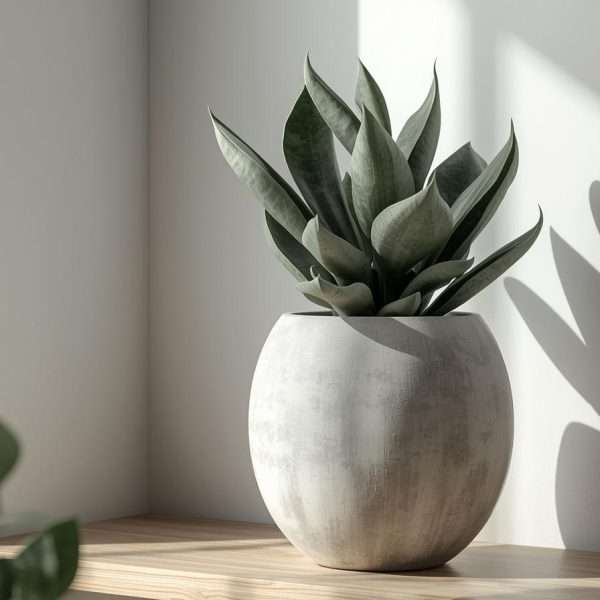
Kitten ears plant care can be surprisingly easy once you mimic its native arid habitat: bright light, free-draining soil and infrequent deep watering.
In practice, a kitten ears (fuzzy succulent) should get at least 6–8 hours of bright light (or supplemental LED lighting) each day, kept warm (roughly 60–75°F) with low humidity.
Water by thoroughly soaking the soil and then letting it dry completely before the next watering. Use a succulent mix rich in mineral grit and a terra-cotta pot with good drainage.
Feed lightly in spring/summer only (dilute houseplant or cactus fertilizer every 3–4 waterings), and expect slow growth. Prune off yellow leaves and remove any debris, and propagate easily from cuttings or offsets.


In low-light apartments, use bright LED grow-lights (e.g. 20–30W full-spectrum panels) placed 6–12″ above the plant for 14–16 hours a day.
Monitor for common problems (leggy growth = too little light; mushy leaves = overwatering; cottony masses = mealybugs) and treat organically (rubbing alcohol, neem or insecticidal soap). Kitten ears are mildly toxic if eaten, so keep them away from pets and children. For quick reference, see the care checklist below.
Quick-Reference Care Summary (Checklist)
| Aspect | Details |
| Botanical ID: | Kalanchoe tomentosa (Crassulaceae; “panda plant”/“pussy ears”) and Cyanotis somaliensis (Commelinaceae; “kitten/pussy ears”). Fuzzy-leaved succulents (CAM metabolism) native to East Africa. |
| Light: | Bright, indirect light (aim for 6–10+ hrs/day). South or east windows ideal; west-facing also acceptable.
7,000+ plant parents active now
LetPlant App
Your houseplant is dying right now — and you have no idea why. Stop killing your houseplants.
|
| Temperature: | ~60–75°F (16–24°C) year-round; prefer slight day–night fluctuations (cool nights ~55–60°F). Avoid frost (<50°F) and avoid overheating (>85°F). |
| Humidity: | Low is best (~30–50%). Kitten ears dislike humidity >50%. Good air circulation prevents fungal issues. |
| Watering: | Use a “soak-and-dry” cycle. Water deeply (until runoff) then allow soil to become completely dry (all potting mix) before next watering.
Winter: water very sparingly (every 4–6 weeks). Common mistake: overwatering causes root/crown rot. |
| Soil Mix: | Fast-draining succulent mix. E.g. 1 part potting soil + 1–2 parts grit (perlite, pumice, coarse sand).
Some growers use ~40–50% mineral (perlite/pumice) + 20–30% bark + 20–30% compost/coir. Pre-mixed cactus/succulent soils (e.g. Black Gold, Espoma Cactus) work well. |
| Pot: | Terra-cotta or unglazed ceramic pot with drainage holes. Unglazed clay wicks moisture.
Use a snug pot (~1–2″ wider than roots). Avoid pots that are too large. Always empty saucers after watering. |
| Fertilizer: | Apply a balanced (e.g. 10-10-10) or cactus-specific fertilizer at ¼–½ strength during active growth (spring–summer).
Feed every 3–4 waterings. Stop fertilizing in fall and winter. Overfeeding causes salt burn. |
| Pruning: | Minimal pruning needed. Remove yellow or dead leaves to improve air flow. Trim spent flower stalks by cutting at the base.
If plant becomes leggy, take a top cutting to re-root. Use clean, sharp tools to avoid disease. |
| Propagation: | Offsets: Kalanchoe may produce basal “pups” after flowering; gently separate and repot. Cyanotis (kitten ears) spreads by stolons.
Stem Cuttings: Very effective. Cut 2–3″ healthy stem with leaves, let callus 2–3 days, then plant in dry mix (water lightly after 1 week). Leaf Cuttings: Low success (<25%); if tried, use healed leaves on coarse mix, keep barely moist. |
| Pests/Disease: | Watch for mealybugs and spider mites (common on succulents). Treat mealybugs by dabbing with 70% isopropyl alcohol or insecticidal soap.
Fungus gnats indicate excess moisture, let soil dry to kill larvae. Overwatering leads to root/crown rot (mushy blackened base). Lower humidity and remove affected tissue if fungal rot appears. |
| Troubleshooting: | See flowchart below for common issues (leggy/etiolated, yellowing, rot, pests) and fixes. (e.g. leggy = increase light; yellow/mushy = reduce water). |
| Toxicity: | All parts contain cardiac glycosides (similar to foxglove). Poisonous if ingested by pets or children. Keep away from curious mouths. |
Kitten Ears Plant Care: Taxonomy & Common Names
Kitten ears commonly refers to two unrelated fuzzy succulents. One is Kalanchoe tomentosa (Crassulaceae), originally from Madagascar, known as Panda Plant, Chocolate Soldier, or “Pussy Ears”.
The other is Cyanotis somaliensis (Commelinaceae), a trailing East African groundcover sold as Kitten Ears or Pussy Ears.

In commerce these names overlap, so check the plant: Kalanchoe has rosettes of fuzzy gray-green leaves with brown edges, whereas Cyanotis (sometimes called “furry kittens”) has slender vine-like stems and violet flowers. Both prefer bright light and similar care.

Kitten Ears Plant Care: Light (Indoor Lighting)

Kitten ears need bright light. They do best with several hours of strong indirect sun each day. NC State Extension advises “bright, indirect sunlight for at least 6 hours”, and Letplant notes most succulents fare best with “ten or more hours of bright, indirect light” indoors.
A sunny south- or east-facing window is ideal. In a west-facing window, they also grow well but may need slight shading from intense afternoon sun. Avoid deep shade – under-watering and lack of light will cause leggy, stretched growth (etiolation).

If daylight is poor (common in urban apartments), supplement with grow lights: use full-spectrum LED or fluorescent plant lamps placed 6–12 inches above the plant, on ~14–16 hour timers.
Many low-power LED panels (20–50W) or strip grow lights are sold for houseplants. For example, a 13.5W Feit Electric LED grow light (sold by Home Depot) can illuminate one or two succulents effectively.
Kitten Ears Plant Care: Temperature & Humidity

Maintain warm indoor temps: roughly 60–75°F (16–24°C) by day, with nights ideally not dropping below ~50–55°F. Kitty ears tolerate higher summer heat up to ~85°F if airflow is good, but they don’t require special warming.
They do not like cold drafts or freezing conditions (bring them indoors before frost). According to University of Missouri, most succulents prefer cool nights (~55°F) and warm days (e.g. 70–75°F).
Humidity should be low-moderate (~30–50%). As the name suggests, a dry, arid-like environment is best. In fact, high humidity can cause crown rot on kitten ears. Succulents as a group “tolerate low humidity typical of a home”; try to avoid misting their leaves.

Good air circulation helps dry out the soil and reduces pests. If your home is very humid (bathroom-adjacent, etc.), place kittens ears in a drier room or next to a fan, and always ensure pots dry out between waterings.
Kitten Ears Plant Care: Watering (Frequency & Methods)

Kitten ears are drought-tolerant succulents: water sparingly. Use the soak-and-dry method. Water thoroughly—until water runs out the bottom—then allow the entire potting mix to dry out completely before watering again.
In practice, this often means watering about once every 10–14 days in warm seasons, but lengthening to once a month or longer in winter.
(Exact schedule depends on pot size, soil, and indoor heat.) Better to err on the side of dry soil; succulents “do not tolerate wet media” for long.
To check, stick a finger 1–2″ into the soil: if it’s moist, wait longer. Alternatively, use a wooden skewer or moisture meter. Also remove any saucer after draining—do not let the plant stand in water.
Overwatering is the most common error: watch for yellow, mushy leaves or blackening at the base (sign of rot). Under-watering symptoms include shriveled leaves. A healthy kitten ears has plump, upright leaves.

For watering tools, use a watering can or bottle with a long spout to direct water to the soil (not the leaves).
Avoid overhead sprinklers; wet foliage can invite mildew on fuzzy leaves. During winter (dormant period), cut back to a few drops or a light watering every 4–6 weeks, just enough to keep the plant from withering completely.
Kitten Ears Plant Care: Soil & Potting Mix
Kitten ears need a fast-draining, mineral-rich mix. Any standard succulent/cactus potting mix works. You can also make your own: combine about 40–50% inorganic grit (perlite, pumice or coarse sand), 20–30% bark or coconut coir, and 20–30% loamy potting soil or compost.
For example, Mountain Crest Gardens recommends succulent soil with “50–70% mineral grit (coarse sand, pumice, or perlite)”. Black Gold Succulent Mix (sold at Home Depot) contains perlite and compost for drainage.
Test your mix by moistening and then squeezing a handful: it should fall apart easily (no clumps). Avoid mixes with high peat content (they stay soggy too long).

If repotting, you can layer a bit of gravel or broken pot shards at the bottom for extra drainage, but fresh gritty soil is most important. Do not use garden soil or heavy potting soil alone. Terra-cotta pots help wick moisture, further preventing soggy roots.
Kitten Ears Plant Care: Pots & Drainage

Always use a pot with drainage holes. Kitty ears roots cannot tolerate sitting in water; if the pot has no holes, the risk of root rot skyrockets.
Unglazed terra-cotta or ceramic pots are ideal, as they allow excess moisture to evaporate through the walls. Plastic pots will work if paired with a saucer (remove the saucer after watering).
Choose a pot only slightly larger than the root ball (no more than ~1 inch wider in diameter). Too large a pot will retain excess water.

For apartment living, small pots save space. A typical kitten ears may only need a 4–6″ pot. Drainage can be improved by adding a bit of coarse sand or gravel on top of the soil, but remember to tip out excess water.
In stores, look for labels like “Indoor Planter with Drainage” or add the word Terracotta to your search for pots (Home Depot, Lowe’s, IKEA, etc., carry simple 4–10″ terracotta planters).
Kitten Ears Plant Care: Fertilization

These succulents are light feeders. Fertilize only during the active growing season (spring through early fall). Use a balanced water-soluble houseplant fertilizer or a cactus/succulent fertilizer at ¼–½ strength, about once every 3–4 waterings.
For example, mix ¼ teaspoon of general-purpose fertilizer per liter of water. Avoid “hot” (high-nitrogen) formulas.
Do not fertilize in winter (November–February), when growth is minimal. Over-fertilizing can burn the roots and cause yellowing or brown leaf tips.
Some growers skip fertilizer entirely without issue, relying on the diluted nutrients already in their potting mix. If you use a slow-release pellet (e.g. Osmocote for cacti), use a very light dose in spring only.
Kitten Ears Plant Care: Pruning & Shaping

Kitten ears require minimal pruning. Regular trimming is not necessary unless the plant gets untidy or leggy. Remove any yellowed, brown, or dead leaves by gently plucking them off at the base.
This improves airflow and appearance. If leaves are sticky with pests or disease, prune them away. Always use clean, sharp scissors or pruning shears to avoid introducing infections.
After flowering, cut off the bare flower stalk down to the rosette but leave the main plant intact. The plant will then focus on vegetative growth (often producing little pups at the base).

If a Kalanchoe becomes leggy (long stems with gaps between leaves), you can top it off: cut the top few inches of stem and re-root it (see propagation below).
Some growers replant only the bottom portion, but it may not re-sprout. Because kitten ears grow in rounded clumps or trailing stems, “shaping” is generally by selective removal of stems or shoots rather than formal trimming.
Propagation
Kitten ears are easy to propagate, especially by stem cuttings.
- Stem/Tip Cuttings:
 This is the most reliable. Using a sterile knife, cut a healthy stem (3–5″ long) just below a leaf node.
Remove the lower leaves, let the cut end callus over (dry) for 2–3 days to prevent rot, then insert it into a small pot of dry succulent mix. Do not water for about 5–7 days, then resume a light watering schedule.
Roots typically form in 1–2 weeks, and new leaves in 3–4 weeks. (Mountain Crest Gardens also notes that Cyanotis “is easy to re-root from stem cuttings”.) Keep the cutting in bright light and warm conditions while it establishes. - Offsets (Pups): Kalanchoe tomentosa often produces basal offsets after it flowers. When these appear, you can gently tug them free (with some roots attached) and pot them individually.
Cyanotis spreads by thin runners that root when they touch soil; you can cut or pin these runners into new pots. - Leaf Cuttings:
 Possible but less reliable. Kalanchoe leaf cuttings root very slowly and often decay. If attempted, detach a plump leaf, let it callus 2–3 days, then lay it on damp gritty mix.
Mist sparingly; only ~20–25% may produce a new plant. Cyanotis leaf cuttings are seldom used.
Time propagation for spring or summer, when the plant is most active. Use clean tools and fresh pots to prevent rot. Label new plants if doing many cuttings at once!
Kitten Ears Plant Care: Repotting
Repot kitten ears every 1–2 years (in spring) or whenever the plant is root-bound. Signs you need to repot: roots growing through drainage holes, very tight root ball, or soil that no longer drains well.
When repotting, choose a pot only slightly larger than the old one (about 1–2″ wider). Too large a pot can trap excess moisture. Use fresh succulent mix as described above.
Gently shake off old soil and trim any rotten roots. Place the plant at the same depth in the new pot, fill around it with mix, and water lightly.
After repotting, it’s normal for growth to pause a few weeks. This is also an ideal time to propagate any offshoots: you can separate pups when you see them and repot together or give them their own pots.
Mature kitten ears have shallow roots, so shallow pots (like hanging baskets for Cyanotis) are fine. Remember: repotting stress can increase susceptibility to rot, so don’t repot too frequently.
Kitten Ears Plant Care: Pests & Diseases
Common pests: Look for mealybugs (white cottony masses often on stems/leaf joints) and spider mites (tiny webbing and speckled leaves). These sap-suckers can infest kitten ears especially in dry indoor air.
Treat infestations promptly: wipe plants with 70% isopropyl alcohol on a cotton swab to kill mealybugs, or use organic insecticidal soap or neem oil spray (test on one leaf first). Increase humidity slightly or use a fine mist (as for other tropicals) after pest removal to deter mites.
Fungus gnats (tiny flies) indicate persistently wet soil – cure by drying out the pot and topping soil with sand or cinnamon. Preventively, water as directed above to avoid gnat breeding.
Disease: Overwatering can cause fungal rots. If the base of the stem turns black or gooey, this is root or stem rot (often Phytophthora or other pathogens).
Infected plants rarely recover; cut away the healthy tips to save cuttings, and discard the rotted tissue. Always ensure perfect drainage to prevent rot.
Occasionally, brown leaf spots or gray mold (Botrytis) can occur if humidity is very high. Remove affected leaves and improve air flow. Leaf drop can also result from cold drafts or sharp drops in temperature.
Regular inspection is key. Isolation after a new plant purchase prevents spread of pests to your kitten ears. Keep leaves dust-free (wipe gently) so stomata aren’t blocked and to easily spot trouble.
Kitten Ears Plant Care: Troubleshooting (Common Problems)
Apartment & Low-Light Tips
- Space-Saving:
 Kitten ears are naturally compact or trailing – ideal for small spaces. Cyanotis (“kitten ears”) does wonderfully in a hanging basket or shelf planter (it drapes over edges). Kalanchoe tomentosa stays bushy/rosette-shaped, so a 6″ pot on a windowsill or shelf is sufficient.
You can also plant multiple succulents together in a shallow dish (just ensure overall drainage). Vertical planters or wall pockets can house several small succulents in a tiny footprint. - Low-Light Strategy:
 If you lack good window light (e.g. north-facing, tinted glass, or interior room), supplement with grow lights. LED “daylight” bulbs (5000–6500K) mimic sunlight. Place the light fixture ~6–12″ above the plant; 12+ hours per day is normal.
Even cheap 16W fluorescent bulbs can help. Rotate plants under the light every week so all sides get equal exposure. Reflective surfaces (white walls, mirrors) can also increase light. - Air Quality: Kitten ears are not efficient at cleaning indoor air (unlike snake plants) and are not chosen for that purpose.
But they do tolerate the dry, recycled air of city apartments quite well. Keep them out of the way of heaters or air conditioners, which can dry them too fast. - Grow Lights: For example, Home Depot and other retailers carry LED grow fixtures.
For a single kitten ears plant, even a 10–20W full-spectrum LED strip (available on Amazon) is enough. Be sure it’s “linkable” or adjustable so you can hang or angle it. Run it on a timer for consistency (e.g. 6am–8pm daily).
Seasonal Care Calendar
| Month | Light / Temp | Watering / Notes |
| January | Bright location; south/east windows are best as days are short.
Keep near warm (>60°F) areas; avoid cold windowsill drafts. |
Water very sparingly (e.g. once every 4–6 weeks) — only if leaves begin to shrivel. No fertilizer.
Ensure pets don’t nibble! (Short-day regime can be started Oct-Nov for winter blooming of Kalanchoe). |
| February | Days still short; maintain maximum indoor light (Supplement if needed). Temperatures ~60–70°F. | Continue minimal watering. If Kalanchoe was put under short-day (total darkness ~14hrs) in fall, buds should now be forming. |
| March | Spring light increases. You may start getting direct sun in mornings. Maintain ~65–75°F. | Begin to increase watering (about every 10–14 days) as growth resumes.
Resume diluted fertilizer (¼ strength) to encourage new growth. Remove any dead winter leaves. |
| April | Stronger light; introduce panda plant to a little direct morning sun if possible. | Water moderately (about every 10–14 days). Check soil drainage and top up mix if needed.
Continue feeding monthly with mild fertilizer. Remove offsets (propagate now if desired). |
| May | Bright light all day; temperatures warm (~70°F). Watch for scorching on western windows. | Water every 10–12 days (increase if home is warm). Keep feeding in early May.
This is time for flowering: ensure at least 14 hours light in early bud formation (unless already set). |
| June | Summer solstice: longest days. Provide bright filtered light (protect from hot midday rays). | Water 12–18 days apart (depending on heat).
No fertilizer needed beyond June. If outdoors briefly (balcony), introduce gradually. Expect vigorous growth. |
| July | Very bright; some shade at hottest times can prevent leaf scorch. | Water 12–18 days (let soil dry fully between).
Watch for softening leaves – a sign of too much water or heat. Increase airflow to avoid any mold. |
| August | Still strong light; monitor plant for drought stress (brown edges) in heat. | Water 12–18 days. By late August, growth may slow slightly.
Do not fertilize after early July. Remove any flowering stalks once blooms fade. |
| September | Slightly shorter days; temperatures still warm (~65–75°F). | Reduce watering to ~16–22 days by mid-Sept.
Let soil dry longer. Stop feeding by late Sept. If you want winter blooms, begin short-day conditions now (see Oct). |
| October | Position plant at brightest indoor spot. Start “short-day” treatment for bloom: cover plant after sunset to give 14+ hours uninterrupted dark. Keep nights cooler (~55–65°F). | Water modestly (about every 3–4 weeks) as growth slows.
Cease fertilizer. Ideal time to repot if needed. Check soil/roots (move to slightly larger pot if rootbound). |
| November | Short days. Maintain 14hr darkness if doing photoperiod (flowering trigger). Aim for 60–70°F days, 50–55°F nights. | Water minimally (every 4–6+ weeks). Wipe leaves clean of dust. Slow down watering as plant enters dormancy. |
| December | Still short days. Panda plant may flower now if triggered. Brighten environment (sun or LEDs). | If buds appear: water lightly only as buds form (avoid dropping buds). Once blooms fade, water deeply to restart normal growth.
Prune off spent flower stalks at base. Resume normal (but minimal) watering after flowering. |
Troubleshooting Common Issues
- Leggy/Etolated: Too little light. Solution: move plant to brighter window or supplement with grow light.
- Yellowing/Mushy Leaves: Overwatering or poor drainage. Reduce watering immediately; repot in fresh mix if needed.
- Brown Leaf Margins (crispy): Usually too little water or too much direct sun. Ensure thorough soak-dry cycle; move plant a bit away from hot sun.
- Dropping Leaves: Underwatering or sudden cold drafts. Check soil dryness and room temp.
- Patches of Rot: Stem or crown rot sets in if soil is kept constantly wet. Cut away rotten tissue, repot plant (if viable) in dry soil. Improve drainage next time.
- White Fuzz or Tiny Webs: Pests. Use alcohol swabs on mealybugs or wash with insecticidal soap. Spider mites (fine webbing) respond to thorough rinsing and a slight increase in humidity.
Safety / Toxicity
Kitten ears contain bufadienolide toxins (cardiac glycosides) like many Kalanchoe. Keep them away from pets and children. Ingesting leaves may cause gastrointestinal upset, heart arrhythmias, or worse in pets.
Do not use this plant in teas or herbal remedies. However, simply being in the home is safe when plants are not eaten. Washing hands after handling and disposing of leaves responsibly is sensible.