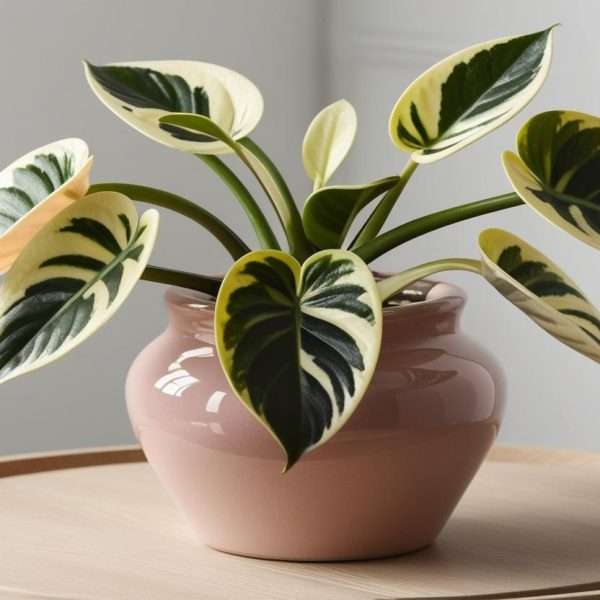
The Hindu rope plant is a unique cultivar of the wax plant Hoya carnosa, prized for its twisting, folded leaves that grow along vines resembling a coiled rope. It is native to parts of Asia (Eastern/Southeastern Asia, including China, India, Japan, and Taiwan) where it grows as an epiphytic vine in tropical forests.
Indoors, it’s grown in pots or hanging baskets for its glorious foliage and beautiful porcelain-like blooms that are often sweetly scented.

This plant has been cultivated for over two centuries and was especially popular as a houseplant in the 1970s – a popularity it’s regaining among today’s plant lovers for its exotic appearance and easy-going nature.

The Hindu rope plant is slow-growing and long-lived; with proper care it can thrive for decades, becoming a beloved heirloom passed from one generation to the next.
Light Requirements

Hoyas prefer bright, indirect light for best growth and flowering. Place your Hindu rope plant near a window with filtered sun.
For example, an east or west-facing window that provides gentle morning or late afternoon sun is ideal. A couple hours of mild direct sun (such as early morning) can help stimulate blooming, but avoid harsh midday rays which can scorch the leaves.
Your houseplant is dying right now — and you have no idea why.
Stop killing your houseplants.
The fix takes 60 seconds.
Snap a photo. LetPlant AI instantly diagnoses what’s wrong, tells you exactly when to water, and alerts you before it’s too late — not after.
FREE Save my houseplants nowNo credit card. No catch. Just healthier houseplants.
If the plant is kept too far from light sources (in dim conditions), it may become leggy, grow very slowly, or fail to produce flowers. On the other hand, intense direct sun can cause leaf discoloration or sunburn patches.
As a rule of thumb, give your Hoya bright light– similar to what it would receive under a tree canopy in nature – and it will be happy. If natural light is limited, you can supplement with a grow light to ensure the plant gets the equivalent of bright indirect sunlight for several hours a day.
Watering Routine and Tips

Watering the Hindu rope plant properly is crucial. It dislikes overwatering and prolonged drought. Always let the top layer of soil dry out before watering again. In practice, this means watering only after the top 1–2 inches of the potting mix feel dry to the touch.
When you do water, water thoroughly and allow excess to drain – don’t let the plant sit in standing water. Then let the soil dry out partially before the next drink.
Overwatering can lead to root rot (and yellow, dropping leaves), while extreme underwatering can cause the thick leaves to wrinkle or shrivel as the plant taps into its stored reserves.
How often to water? That depends on your environment. In a warm home with good light, you might water about once every 1–2 weeks during spring and summer.
In cooler or low-light, or in winter, the plant will dry out more slowly (perhaps needing water only every 2–3 weeks). Always check the soil moisture rather than watering on a strict schedule. Hoya leaves store some water, they fare better with slight dryness than with excess moisture.
In fact, experienced growers sometimes wait until they see a very slight puckering on some leaves – a sign the plant is getting quite dry – before watering, to ensure they aren’t overwatering.
When you water, use room-temperature water; very cold water can shock this tropical plant’s roots.
If the soil has become completely dry and the plant is very dehydrated (leaves very shriveled), try bottom-watering: sit the pot in a tray of water for 20–30 minutes so the soil can soak up moisture slowly.
Just be sure to drain any leftover water after. On the flip side, if soil stays constantly wet and you notice yellowing or mushy stems, overwatering may be the issue – let the soil dry out and check root health.
Water carefully and err on the side of slightly underwatering rather than overwatering this plant.
Good drainage (discussed below) will help prevent waterlogging. In winter, water much less frequently, as the plant’s growth will slow and it will use less water (some growers stop watering until the soil is quite dry in winter).
If possible, use filtered or distilled water, or let tap water sit out overnight – Hindu rope plants can be sensitive to chlorine and fluoride in water, which might cause leaf tip burn over time. And remember to avoid getting cold water on the leaves or in the soil during watering in winter.
Consistent but moderate watering will keep your Hoya carnosa ‘Compacta’ healthy – the goal is to keep the soil lightly moist after watering, then let it dry out to about halfway down the pot before watering again.
Soil Type and Drainage Needs

Provide a very well-draining, airy potting mix for your Hindu rope plants are semi-epiphytic and naturally grow on tree branches, so their roots need lots of oxygen and hate sitting in waterlogged soil.
A standard houseplant potting soil on its own can be too dense for a rope Hoya, so it’s best to amend it for extra drainage.
You can use a commercial cactus/succulent mix or an orchid mix as a base, or simply mix regular potting soil with coarse ingredients like perlite and bark.
For example, an excellent DIY Hoya soil recipe is 1 part potting soil : 1 part perlite : 1 part orchid bark, which creates a loose, fast-draining mix.
This kind of mix retains some moisture for the roots but allows excess water to flow through quickly and prevents compaction around the roots.
The soil should be lightweight and rich in organic matter while also being chunky for aeration. Many growers also add a bit of horticultural charcoal or pumice for extra aeration.
You want a mix that, when you water, becomes wet but does not stay soggy – the water should drain out readily and the soil should feel mostly dry again after a few days.
If using a ready-made houseplant soil, consider mixing in a couple handfuls of perlite or coarse sand to “fluff” it up. Avoid heavy clay-based soils or any mix that claims to hold moisture for a long time – those are unsuitable for Hoyas.
A good test is to squeeze a handful of the damp mix: it should loosely clump but also easily crumble.
Good drainage is absolutely essential: always use a potting mix and a container that allows water to drain freely from the bottom. This plant is prone to root rot if its roots are in waterlogged, poorly aerated soil for too long.
Potting and Container Advice.

When it comes to containers, choose a pot with drainage holes (absolutely non-negotiable for Hoyas) and not much larger than the plant’s root system. The Hindu rope plant actually likes being a bit snug in its pot – a condition that can even encourage flowering.
When potting or repotting, don’t jump to an excessively large pot thinking it will help the plant “grow into it.” Use a pot only about 1–2 inches (2.5–5 cm) wider in diameter than the current root ball.
If the pot is too large, the excess soil will hold water for longer and the roots risk staying too wet. A slightly tight pot also concentrates the plant’s energy into growing leaves and flowers rather than filling the pot with roots.
Pot material

Terracotta (clay) pots are often recommended for Hoya carnosa cultivars because the porous clay allows moisture to evaporate and prevents the soil from staying too damp. A heavy ceramic or terracotta pot can also help stabilize a hanging or top-heavy plant.
That said, plastic or glazed pots are fine as long as you are careful not to overwater – just ensure excellent drainage.
Many Hindu rope plants are grown in hanging baskets, which suit their trailing vines. If using a hanging pot, make sure it has drainage and that you can easily take it down for watering.
When potting, use the well-draining soil mix described above. Gently fill in around the roots, but don’t pack the soil too tightly – remember, the roots love air. After potting, water lightly to settle the soil, and let any excess drain out.
Do not bury the vines or leaves in the soil; only the roots should be in the mix. You can top-dress the soil with a thin layer of decorative moss or pebbles if you like the look, but keep it minimal so as not to impede evaporation.
The Hindu rope plant’s vines can get quite long, so ensure your pot or hanger is stable. If the plant becomes very heavy on one side (from vines trailing over), rotate the pot occasionally so it grows more evenly and doesn’t tip.
In summary, a smallish pot with good drainage is the way to go – this plant isn’t one for frequent upsizing or excessive root space.
Temperature and Humidity Needs
Temperature

Typical houseplant, Hoya carnosa ‘Compacta’ thrives in typical indoor temperatures. The ideal temperature range is about 65–80°F (18–27°C) during the day. In general, if you’re comfortable at home, your Hoya will be too.
They can handle slightly higher daytime temperatures (up to mid-80s°F / ~30°C), especially if humidity is adequate, but watch if it gets too hot.
Avoid placing the plant near heat sources or in scorching direct sun which could overheat it – leaves might yellow and drop if exposed to temperatures consistently above ~85°F without sufficient humidity.
More importantly, protect your Hindu rope plant from cold drafts and low temperatures. They do not tolerate cold well. Temperatures below about 50°F (10°C) can cause damage; prolonged cold can lead to leaf drop or even death of the plant.
So keep it away from drafty windows or AC vents in winter. If you move the plant outdoors for summer (which some people do for extra sun), be sure to bring it back inside well before night temps dip into the 50s°F.
Consistency is key: steady, warm temperatures will keep the plant growing. Cooler nights (down to 60°F/16°C) aren’t harmful and in fact many growers find a slight night drop in temperature can help trigger blooming, but never expose the plant to frost or near-freezing conditions.
Humidity

Hindu rope plants prefer moderate to high humidity. In nature they enjoy humid air, and indoors they’ll be happiest with humidity levels around 40–60% or even higher.
Fortunately, they are quite adaptable and usually do fine in normal household humidity (~30–50%).
However, if your air is very dry (especially in winter with heating on), You might notice some issues: crispy brown leaf edges, shriveled leaves, or buds drying up and falling off before opening can be signs the humidity is too low.
If you suspect low humidity, here are a few easy ways to help: you can mist the foliage occasionally with water (the thick leaves “appreciate misting” in dry conditions) place the pot on a pebble tray (a shallow tray of water with pebbles to raise humidity around the plant), or use a small room humidifier nearby.
Grouping your Hoya with other houseplants also creates a slightly more humid micro-climate. Aim for at least ~40% relative humidity for optimal growth and flowering.
At 50% or above, you’ll really see the plant thrive with glossy leaves and more vigorous vines, avoid going overboard in an enclosed space – extremely high humidity (consistently >80%) in stagnant air could encourage fungal problems on the soil or leaves.
Good air circulation is important too. A small fan in the room can help circulate humidity and keep foliage healthy.
Note: If your rope plant develops buds, try not to mist those buds directly – moisture on the buds can sometimes cause them to abort or lead to spots on open flowers. It’s fine to lightly mist the leaves, just avoid soaking the flower clusters.
In summary, provide as much humidity as is practical, especially in a dry climate, but know that yourHindu rope plant generally tolerate average indoor humidity. If you see those warning signs of low humidity (leaf edge burn, bud drop), step up your humidity game and the plant will reward you.
Fertilization Schedule and Best Products
Hoyas are not heavy feeders, but they do benefit from regular, light fertilization during the active growing season. Feeding your Hindu rope plant will support vigorous growth and can lead to more abundant flowers.
When to fertilize

Begin feeding in spring as the plant resumes active growth, and continue through summer. A common schedule is to fertilize once a month (every 3–4 weeks) in spring and summer with a diluted balanced fertilizer.
Always fertilize on moist soil (never on bone-dry soil, which can burn the roots). You can simply incorporate feeding into your watering routine – for example, water with a diluted fertilizer solution in place of plain water every fourth watering or so.
During fall and winter, scale back feeding. The plant grows slowly or may go semi-dormant in cooler, darker months, so it doesn’t need extra nutrients then.
It’s generally recommended to stop fertilizing entirely in winter or do it very sparingly (perhaps once mid-winter at half strength) if your plant is still actively growing. Over-fertilizing when the plant isn’t using it can lead to salt build-up in the soil and root damage.
What fertilizer to use: Choose a balanced, water-soluble houseplant fertilizer – for example, a formula with equal N-P-K ratios (like 10-10-10 or 2-2-2) is a good general choice. Dilute it to half or quarter strength to avoid overwhelming the plant’s roots.
Hoyas respond well to fertilizers formulated for flowering plants. In fact, once your rope Hoya is mature and you want to encourage blooming, you can switch to a bloom-boosting fertilizer (one a bit higher in phosphorus).
For instance, a ratio around 5-10-5 (higher middle number) or using a bloom formula (such as those sold for African violets or tomatoes) can help support more and larger flower clusters.
Many growers simply use an all-purpose indoor plant food during spring/summer and that works fine. Just remember to dilute to half-strength and don’t overdo it – too much fertilizer can burn the foliage or roots.
Signs of over-fertilization include a white crust on the soil surface or yellowing leaves with brown crispy edges. If you notice this, flush the soil with plain water to leach out excess salts, and hold off on feeding for a while.
Recommended products: There are many suitable fertilizers for Hoyas. A balanced liquid fertilizer is easy to use – for example, Dr. Earth Liquid Houseplant Fertilizer (a gentle organic feed) is one product that Hoya growers often recommend for its ease of use.
You might also use an all-purpose 10-10-10 houseplant food (like Miracle-Gro or similar), diluting it more than the label says. If you prefer organic options, consider liquid seaweed or fish emulsion (though be aware fish emulsion can have a strong odor indoors).
Some people lightly top-dress with compost or organic fertilizer in spring for a slow-release nutrient boost.
Avoid over-fertilizing. It’s better to feed too little than too much. During the growing season, a monthly feeding is plenty – remember that the plant’s nutrient needs are modest.
Also, after repotting, hold off on fertilizer for about a month to let fresh potting mix (which often has some nutrients) do its job and to avoid stressing any new roots.
In summary, feed your Hindu rope plant monthly in spring and summer with a mild, balanced fertilizer to keep it growing and encourage blooms.
Don’t feed in winter when growth pauses. And always follow the product’s instructions, using a lower strength – this plant will be perfectly happy with lean feeding. A well-fed Hoya carnosa ‘Compacta’ will produce lusher foliage and, when it’s old enough, more frequent flowers.
Pruning and Maintenance

One nice aspect of the Hindu rope plant is that it requires minimal pruning. This vine grows relatively slowly and maintains a compact habit, so you won’t need to trim it often.
However, occasional pruning can be done to control its length, remove dead material, or encourage a fuller shape. The best time for major pruning is early spring, just as the plant is about to begin its growth spurt for the season.
Light pruning can also be done any time of year as needed (for example, snipping off a stray long vine or removing a damaged leaf).
When pruning, always use clean, sharp scissors or pruning shears to make a clean cut and prevent disease spread. It’s a good practice to wipe the blades with rubbing alcohol before and after pruning to keep things sterile.
What to prune: Focus on removing any dead, yellowed, or damaged leaves and any dried-out stems. You can also trim back overly long vines to a desired length—cut just above a node (leaf joint) on the vine, because new growth will usually sprout from that node below your cut.
If you want a bushier plant, you can tip-prune some of the vines (cut off a couple of inches from the ends); this sometimes encourages the Hoya to branch out or produce side vines.
That said, Hoyas are not like pothos or philodendrons that readily branch freely — they often just slowly extend their existing vines. So temper your expectations; pruning will mainly help keep the plant in check or tidy up its appearance.
Importantly, avoid cutting more than about one-third of the plant at a time to prevent shocking it. After pruning, the plant may need a little less water for a week or two (fewer leaves = less water usage), so let the soil dry slightly more than usual before resuming normal care.
DO NOT cut off the flower spurs!
A practical maintenance tip for Hoya carnosa is to leave the bare flower spurs (also called peduncles) on the plant after the blooms fade.
These are the short sticks or stubs that the flowers grow from. On a rope Hoya, they might look like little spur nodes sticking out along the vine. Resist the urge to clean these up.
Unlike many flowering plants, Hoyas will bloom again and again from the same spurs in subsequent years. If you cut them off, you are literally cutting off future flowers — it may take a long time for the plant to grow new ones.
So when flowers drop, just leave that spur as is – maybe remove any dried flower remnants, but keep the spur intact. Only if a peduncle has clearly died back or gone brown and woody should you remove it, and even then, it might simply be done for the season but not truly dead.
Many growers play it safe and never remove peduncles unless they turn black or rot. This one tip will ensure you don’t accidentally sabotage next year’s blooming.
General maintenance: Other than occasional pruning, the Hindu rope plant doesn’t need much fuss. It’s a good idea to dust the leaves periodically, because the crinkled leaves can accumulate dust in their folds.
Gently wipe the leaf surfaces with a damp cloth or give the plant a lukewarm shower now and then (just make sure it dries out afterward). Clean leaves not only look nicer but also photosynthesize more efficiently.
While grooming, also check the tight leaf curls for any hidden pests (like mealybugs) as part of routine care.
If you see any long, bare vines with no leaves (sometimes older vines can lose leaves and just have a growing tip), you can trim those back as they’re not adding ornamental value – this may encourage new growth closer to the base.
Keep an eye out for any signs of stress or pests (discussed below) during your care routine. One more thing: when cutting or accidentally breaking a Hoya stem, you’ll notice a white milky sap – this sap can be irritating to skin and is mildly toxic if ingested, so wash your hands after pruning and avoid touching your eyes.
It’s not harmful in small contact, but better to be cautious (some people are more sensitive to it). Overall, a little bit of pruning and cleaning goes a long way in keeping your Hindu rope plant healthy and looking its best.
How to Encourage Flowering
The waxy, starry flowers of Hoya carnosa ‘Compacta’ are a delight – and if your plant hasn’t bloomed yet, you’re probably eager to see (and smell) them. Patience is key: A rope Hoya usually needs to be a few years old before it blooms.
Most won’t flower until they are at least 2–3 years old, and for some vines it can be 5+ years before the first bloom appears. So if your plant is still young or was recently propagated, give it time. However, there are several care tips to help encourage a mature Hoya to bloom:
- Lots of bright light
 The number one reason a Hoya fails to bloom indoors is insufficient light. To get those flowers, provide very bright, indirect light – more than you might think. A spot right by a sunny window (east, west, or south with filtered light) is often needed.
Some direct sun is beneficial. Many Hoya growers will even give their plants a bit of gentle morning or late afternoon sun daily to stimulate flowering.
If your plant is in medium light and not blooming, try moving it to a brighter location (gradually, so it can acclimate).
Once it starts forming flower buds, do not move it! Hoyas don’t like being relocated or even rotated when budding or blooming – moving can cause buds to drop.
So find its happy bright spot and let it stay put when buds are on the way. Adequate light is often the “secret sauce” for getting a Hindu rope plant to bloom. - Proper feeding
 While light is critical, nutrients can play a supporting role. A plant that is never fertilized might have the vigor to grow leaves but not the extra energy to produce flowers.
Feeding your Hoya in spring and summer (as described above) will ensure it has the nutrients (especially phosphorus) needed for blooming.
If your plant is mature but not flowering, try switching to a high-phosphorus bloom fertilizer in the spring to give it a boost. Just don’t overdo nitrogen (like heavy green-plant fertilizers) because too much nitrogen can lead to lush foliage but fewer flowers. - Keep it slightly pot-bound
 We mentioned earlier that Hoyas bloom better when a bit root-bound. Avoid over-potting a Hoya if you want flowers. Many experienced growers actually delay repotting a Hoya that they want to see bloom – they let it get fairly snug in its pot.
A cramped root system can induce a stress response that favors blooming (since the plant “thinks” it might be running out of space and wants to reproduce via flowers).
Of course, don’t let it be so rootbound that it’s unhealthy, but a tight fit is fine. If you recently moved your Hoya into a significantly larger pot, it may focus on root growth for a while and delay blooming until the roots fill in. - Warmth and humidity
 As a tropical plant, a Hoya is more likely to bloom in warm, humid conditions, similar to a greenhouse. If you can provide slightly higher humidity (50-60%) and keep temperatures in the 70–80°F range in the growing season, that can encourage flowering.
Some Hoya growers find that giving the plant a temperature dip at night (say 60°F nights with 75°F days) in spring can trigger blooming, or conversely, a slight dry cool rest in winter (e.g. let it chill around 60°F and water sparingly for a month or two) then a warm-up can induce spring blooms.
These tactics can mimic seasonal cues from nature. It’s not always necessary, but something to consider if other factors are in place and still no blooms. - Do not cut the spurs
 We can’t stress this enough – if you want flowers, never remove the old flower spurs (peduncles). The plant reuses these to bloom repeatedly. So after flowering, leave them alone; new buds will form on them next time conditions are right.
 - Minimal disturbance
 A quirky tip is that once your Hoya has settled in a spot and is mature, treat it somewhat “mean” – i.e., don’t coddle it by moving or repotting frequently. Hoyas seem to bloom best when they are a bit neglected (within reason).
As one expert grower puts it: once a Hoya is about to flower, just let it be – no need to move, adjust, or pamper; simply sit back and enjoy.
Many people have noticed that a Hoya that’s left in the same pot, in the same location for a long time suddenly rewards them with blooms, whereas a Hoya that’s constantly fussed with may just keep growing foliage. - Patience
Lastly, remember that blooming can be somewhat unpredictable. You might be doing everything “right” and still have to wait. Some Hoya carnosa plants famously took 5, 7, even 10 years to bloom for the first time.
But once they start, they tend to bloom more regularly each year. So hang in there – with bright light, a bit of feed, and time, your rope plant will eventually produce those gorgeous clusters of pink, porcelain-like flowers.
And when it does, don’t forget to smell them! The fragrance is often strongest in the evening (Hoya flowers release scent at night, sometimes described as a honey or chocolate-like fragrance) and they may even drip sweet nectar.
In summary, to encourage flowering: maximize light, feed modestly, keep the plant slightly rootbound, and be patient.
When buds arrive, leave the plant undisturbed and do not cut off the flower spurs after – let them remain for future blooms. With these practices, a healthy Hindu rope plant will eventually grace you with its stunning waxy flowers.
Propagation Techniques
Propagating a Hindu rope plant is a fun way to create more plants for yourself or to share with friends.
The most common propagation method is stem cuttings, which generally root relatively easily, though a bit slowly. Here are detailed steps for propagating your Hoya carnosa ‘Compacta’ from cuttings:
Propagation by Stem Cuttings (Step-by-Step):
- Timing
 Plan to take cuttings in spring or early summer, when the plant is actively growing. Warm temperatures and longer days help new cuttings root faster.
 - Select a vine
 Choose a healthy, vigorous vine on the mother plant. Ideally, pick a stem that is not flowering and has at least 2–3 nodes (the points where leaves grow). Each cutting should have a couple of pairs of leaves.
Using clean sharp scissors or pruners, cut the vine just below a node, making a cutting that is about 4–6 inches (10–15 cm) long. It’s okay if the cutting is a bit shorter or longer; what’s important is having a few nodes. - Prepare the cutting
 Gently remove the leaves from the lower one or two nodes on the cutting. These nodes will be the points that go into the rooting medium and where new roots will emerge.
Leave at least 2 leaves at the top of the cutting (so the cutting can still photosynthesize).
If the leaves are large, you can trim them in half to reduce water loss, though with the rope Hoya’s smaller curled leaves this usually isn’t necessary. - Optional – rooting hormone
 Dip the cut end (especially the exposed nodes) in rooting hormone powder or gel. This is optional, but can speed up root development and prevent rot. Many people root Hoyas successfully without hormone, but it can help.
 - Plant the cutting
 Insert the cut end of the stem into a small pot or container filled with a light, well-draining propagation mix. You can use straight moist sphagnum moss, damp perlite, or a mix of peat and perlite – anything that holds some moisture but has lots of air.
Even a regular potting mix with extra perlite will work, as long as it’s kept just lightly moist. Make a hole in the medium and stick the cutting in so that at least one node (preferably two) are buried.
Gently firm the medium around the stem so it stands up. (Alternatively: You can also root Hoya cuttings in water – more on this below – but rooting directly in mix often yields stronger roots). - Humidify
 High humidity greatly helps cuttings root. You can loosely cover the potted cutting with a clear plastic bag or plastic dome to create a mini-greenhouse.
Make sure there’s some air circulation (poke a couple of small holes in the bag or air it out every few days) to prevent mold. The idea is to keep humidity around the cutting near 100% to reduce moisture loss from the leaves while it has no roots. - Environment for rooting
 Place the cutting in bright, indirect light (no direct sun, which could overheat it under the plastic) and keep it warm – aim for around 70–80°F (21–27°C) if possible.
Warmth significantly speeds rooting. You can use a heat mat under the pot to maintain a cozy temperature for the cutting.
Keep the medium slightly moist – check it periodically and mist or drip in a bit of water if it’s drying out. It should be damp like a wrung sponge, but not waterlogged. Overly wet medium can cause the cutting to rot, so do not saturate it. - Roots develop
 In about 3–4 weeks, the cutting should begin to grow roots. You can tug very gently to feel if there’s resistance (a sign of rooting) or look for new leaf growth at the top, which indicates roots have formed.
Some cuttings may take up to 6–8 weeks to root fully – be patient and keep conditions steady. If rooting in water, you’ll see root stubs appear in a similar timeframe. - Potting up
 After roughly 6–8 weeks, your cutting should have a decent little root system established. At this point, remove the plastic cover (if used) and begin to acclimate the new plant to normal humidity.
You can then transplant the cutting to a small pot with regular well-draining Hoya mix. Be gentle with the new roots – don’t yank the cutting out; instead, transplant the whole clump of moss or perlite around the roots to avoid damage.
Plant it at the same depth it was rooting at. Water it lightly and keep it in indirect light. Congratulations, you have a new rope Hoya plant!
Alternate methods: Aside from soil propagation, you can also propagate Hoyas in water. Simply place the prepared cutting (same method of removing bottom leaves) in a jar of clean water, making sure at least one node is submerged.
Keep the jar in bright indirect light and refresh the water weekly. Roots will sprout from the node in a few weeks. Once those roots are a couple inches long, transfer the cutting to soil. Water propagation has a reasonably high success rate (many report ~70–80% success).
However, water-rooted cuttings may take a little extra care transitioning to soil, since water roots are more fragile.
Another technique, especially if you have a large plant, is air layering or layering. With layering, you take a stem that’s still attached to the mother plant and pin a section of it down into a pot of moist soil (or even the same pot) so that one of its nodes is buried.
Keep that node covered with soil and moist – after a few weeks it should grow roots while still attached to the mother.
Once you see roots or new growth, you can cut the new plant free from the mother vine. Layering often has a very high success rate (the cutting is supported by the mother plant as it grows roots).
This method can be a bit tricky with the rope plant’s growth habit, but if you have a long vine, you can coil or pin part of it onto soil to root it.
Do Hoyas grow from leaf cuttings?
You might have heard of people rooting single Hoya leaves. It is possible to get a leaf to sprout roots (just sticking a leaf with a bit of petiole into soil can result in roots), but almost always a lone leaf will not produce a new vine. It will just sit there as a rooted leaf.
Hoya propagation needs a stem with a node, since that’s where new growth buds are. So, it’s generally not worthwhile to propagate by leaf cuttings alone – stick to stem cuttings for real results.
Once you’ve potted up your new cutting, care for it like a normal Hoya but on a slightly gentler schedule: keep it a bit more consistently moist at first (since its root system is small), and in medium-bright light. After a couple months, it will start putting out new vines or leaves as it establishes.
Note: A Hoya grown from a cutting will also take time to reach blooming maturity. Don’t expect flowers immediately – it may still be a couple of years before your baby rope plant is old enough to bloom.
But you’ve essentially cloned your plant, so it has the same genetics and will have the same flower type eventually. Propagating Hoyas is quite satisfying, and the Hindu rope is no exception – it might be a bit slower to root than some soft-stemmed plants, but with patience, you can easily expand your collection.
Repotting Tips and Timing

Hoyas, including the compacta variety, do not need frequent repotting. In fact, as mentioned, they somewhat enjoy being rootbound.
Constantly repotting can set them back. Generally, consider repotting your Hindu rope plant on a cycle of every 2–3 years, or only when it truly needs it. Here are some guidelines on when and how to repot:
When to repot: Early spring is the best time to repot, just before or as new growth begins for the season. This way the plant can recover quickly and fill into its new pot during the growing season.
Avoid repotting in autumn or winter if possible, as the plant will be slower to grow new roots then. Do not repot if the plant is budding or in bloom – repotting at that time can cause buds/flowers to drop from stress.
Wait until after it finishes flowering. Signs that your Hoya needs repotting include: roots are growing out of the drainage holes, the soil has become hard and compact or drains water immediately (water runs straight through without absorbing), or the plant has become extremely rootbound to the point of growth slowing and the pot drying out very quickly.
Another clue is if the plant is extremely top-heavy (lots of vine growth) and the current pot can’t support it well. If you see one or multiple of these signs, it’s time to give your plant a slightly bigger home.
Repotting process: Choose a new pot that is only a little larger – typically 1 inch (2–3 cm) larger in radius is plenty. Make sure the new pot has good drainage holes. Prepare fresh potting mix (use the well-draining mix described in the soil section).
It’s a good idea to water your Hoya the day before repotting; this ensures the plant is hydrated and also makes it easier to slide out of the pot without damaging roots. Gently remove the plant from its old pot – you might need to tip it and coax the rootball out by tapping the pot sides.
Be careful, as the vines can be somewhat brittle where the leaves twist (and you don’t want to break those fleshy leaves either). If the plant is rootbound, you’ll see coils of roots. You can loosen the roots slightly with your fingers, untangling any large circling roots.
If there are any sections of root that are rotten (brown, mushy, with a swampy smell), trim those off with clean scissors.
Otherwise, Hoya roots generally don’t need heavy pruning – you can trim a few especially long ones if necessary, but don’t cut a lot (removing no more than 20% of the root mass).
Add a layer of fresh mix at the bottom of the new pot, then set the rootball in. The depth should be such that the plant sits at the same soil level it was before (don’t bury the stems any deeper). Fill in around the sides with new mix, lightly tapping the pot to settle the soil into any gaps.
You want to ensure there are no big air pockets around the roots, but also avoid packing the mix too tightly – keep it airy. Once potted, water thoroughly until it drains out, which will help settle the soil.
Add a bit more mix if it settles too much. After repotting, do not fertilize for at least 4 weeks – the fresh soil often has some nutrients and the roots need time to adjust without the risk of fertilizer burn.
Place the plant back in bright, indirect light and maintain slightly higher humidity for a couple weeks if possible to help it acclimate. Also avoid direct sun for a week or two right after repotting, as the roots are delicate and the plant is in “recovery” mode.
It’s normal for a repotted Hoya to “pause” and not put out new growth for a short time as it redirects energy to root growth. Keep caring for it and it should resume growing after it settles in (usually within a few weeks in spring/summer).
One extra tip: because Hoyas can be slow growers, you might use the repotting opportunity to refresh the soil even if you’re not upsizing the pot much.
Over time, potting mix breaks down and can hold too much water or lose aeration. Replacing old soil with fresh mix every few years will keep the root environment healthy. So even if you return the plant to the same pot, giving it fresh mix can be beneficial.
Overall, don’t repot too often – only when needed – and when you do, handle the roots and vines with care. A well-settled Hindu rope plant that’s just slightly pot-bound will often reward you with consistent growth (and flowers when mature) versus one that’s frequently disturbed.
Common Pests and Diseases
The Hindu rope plant is relatively hardy indoors, but like any houseplant it can occasionally encounter pests or diseases. Its tightly curled leaves can actually create hiding spots for pests, so regular inspection is important. Here are the common pests to watch for and how to manage them:
- Mealybugs
 These are one of the most frequent pests on Hoyas. Mealybugs look like tiny bits of white cotton fluff clinging in the leaf crevices or on stems.
They suck sap from the plant, causing distorted new growth and sticky “honeydew” residue on leaves. If you see any white, fuzzy spots, take action quickly – a small infestation is much easier to control.
Treatment: Isolate the plant (to prevent spread). Dab visible mealybugs with a cotton swab dipped in rubbing alcohol – this dissolves their protective coating.
You can also spray the plant with insecticidal soap or a neem oil solution, making sure to get into the crevices where they hide. Repeat treatment weekly until they are gone. It may take a few rounds, because mealybugs can be persistent.
Also, consider washing the plant: a strong spray of lukewarm water can dislodge many of them (just do this outdoors or in a shower to contain mess).
For severe infestations, a systemic insecticide granule in the soil can help, but try gentler methods first. Be vigilant – those curled rope leaves give mealybugs lots of hiding spots, so check every nook. - Spider Mites
 These tiny sap-sucking pests are actually arachnids, not insects. They thrive in dry indoor air.
You might not see the mites themselves (they look like tiny specks), but you’ll notice fine webbing on the plant and maybe a speckled, “stippled” appearance to the leaves (tiny yellow dotting).
Spider mites suck out leaf juices, causing leaves to pale or get a sandy texture.
Treatment: First, increase humidity – spider mites hate moisture. Give the plant a thorough rinse – spraying with a strong jet of water under the leaves and all over will knock a lot of them off.
Follow up by spraying with insecticidal soap or neem oil, covering the undersides of leaves especially. Repeat every 5–7 days for a few weeks (their life cycle is quick). Keeping the plant more humidified can prevent future outbreaks.
Misting the plant or keeping a humidifier can deter mites, as they prefer very dry conditions. Also, check nearby plants; mites spread easily. - Scale Insects
 Scale might appear as little brown or beige bumps on stems or the undersides of leaves. They are sap suckers like mealybugs, but have a hard shell.
They can cause leaves to get yellow spots or drop if infestation is heavy. You might also see sticky honeydew from scale.
Treatment: These can be stubborn. Gently scrape off what you can with a fingernail or swab with alcohol to loosen them.
Insecticidal soap or neem oil sprays can penetrate the juveniles (crawlers) – you have to repeat treatments to catch those, as the adults’ shells protect them. Often a systemic insecticide in the soil is effective for scale, since when they feed on treated sap they die. For a lighter touch, continue manual removal and use soap sprays weekly. Inspect the plant regularly to catch any new scales. Quarantine the plant until they’re gone. - Aphids

These are small soft-bodied green, black, or brown insects that often cluster on tender new growth or underside of leaves. They also excrete sticky honeydew and can cause new leaves to be curled or stunted.
Treatment: Fortunately, aphids are pretty easy to control. You can often wash them off with water – take the plant to a sink or shower and spray off as many as possible. Then apply insecticidal soap to kill remaining ones.
Neem oil or even a home remedy of a bit of dish soap in water can work. Ladybugs (if you happen to release some indoors) will feast on aphids, but that’s usually overkill for a houseplant.
Just prune any severely infested new growth and wash the rest away. Check other nearby plants, as aphids can spread especially if you had windows open. - Thrips
 Thrips are slender, fast-moving insects that can attack Hoyas, though they are less common indoors unless brought in on another plant. They scrape at flowers and leaves, often causing silvery or brown streaks/patches on leaves and deformed new growth.
You might notice black specks of frass (thrips poop) on leaves.
Treatment: They can be trickier to eliminate fully. Use a combination of methods: physically remove any affected flowers or badly damaged leaves, use blue or yellow sticky traps near the plant to catch adults, and spray the plant thoroughly with a neem oil or spinosad spray (spinosad is effective against thrips).
Repeat every week or so for several weeks. Isolate the plant, as thrips move quickly and can infest others. Keep checking new growth for any sign of their return. - Fungus Gnats
 These aren’t plant-sucking pests but rather nuisance flies that breed in moist soil. You might see tiny black gnats flying around the pot if the soil is kept too wet. Their larvae in the soil can nibble on roots, which can stress the plant if larvae populations are high.
Treatment: The key is letting the soil dry more between waterings – fungus gnat larvae thrive in constantly moist soil. Use sticky traps on the soil surface to catch adult gnats.
You can also water the soil with a dilute hydrogen peroxide solution (3% peroxide mixed 1:4 with water) to kill larvae, or use biological controls like mosquito bits (BTI) soaked in the water.
Once you break their breeding cycle by drying the soil, the gnats will disappear. Good drainage and not overwatering are the best prevention (which aligns perfectly with Hoya care anyway).
Diseases: The Hindu rope plant is not especially disease-prone if properly cared for. Most issues arise from overwatering or poor ventilation, leading to fungal problems.
- Root Rot
 By far the most common issue is rot from chronically wet soil. If you notice the plant wilting despite wet soil, leaves turning yellow or mushy, and a foul odor, you likely have root rot. In advanced cases, stems at the base may become soft and brown.
Treatment: Immediately unpot the plant, trim away all the black/brown mushy roots with sterile scissors, and repot the healthy portions in fresh dry mix. You may need to take cuttings from any remaining healthy vines if most of the root system is gone. Going forward, water much less and ensure excellent drainage to prevent recurrence. Unfortunately, rot can kill a Hoya if not caught early – prevention (proper watering) is key. - Fungal Leaf Spots
 If the leaves develop round brown or black spots, or a black moldy coating, there could be a fungal infection or sooty mold growing on sugary pest honeydew.
Sooty mold (a black film) usually wipes off and is a sign you should check for pests like scale/aphids (addressing the pests will make the mold go away as a secondary effect).
Leaf spot diseases (actual infections) are not very common on thick Hoya leaves, but can occur especially if leaves are kept wet or in very high humidity with stale air.
Botrytis blight is one possible disease that might affect Hoya flowers or leaves in cool, damp conditions – it shows as … Botrytis blight is one possible disease that might affect Hoya flowers or leaves in cool, damp conditions – it shows up as a fuzzy gray mold on foliage or blooms【17†L228-L236】.
Treatment: For any fungal disease, remove the affected parts promptly (e.g. trim off moldy flowers or spotted leaves) and improve the plant’s environment. Increase air circulation, reduce excess humidity, and avoid getting water on the leaves.
You can apply a houseplant-safe fungicide if the issue persists, following the product instructions. Usually, simply correcting the care (letting soil dry, reducing misting, warming up the area) will stop the spread of fungal issues【17†L243-L252】.
Preventing pests and diseases: The best cure is prevention. Keep your rope plant healthy by avoiding overwatering (preventing root rot and fungus gnats) and keeping it clean (rinse dust off leaves periodically and inspect for bugs).
Quarantine new plants before placing them nearby, as they may harbor pests. If your Hoya is in a humid area, ensure there’s some airflow (a fan or open window occasionally) to prevent fungal growth.
By catching problems early – a few mealybugs or an odd leaf spot – you can treat them before they become severe. Overall, a well-cared-for Hindu rope plant is fairly resilient and not prone to many issues.
Troubleshooting Common Issues
Even with good care, you might sometimes encounter perplexing symptoms. Here’s a quick troubleshooting guide for common issues and how to address them:
- Yellow Leaves
 If you notice leaves turning yellow, first consider natural aging – it’s normal for an older leaf (especially near the base) to yellow and drop occasionally. However, multiple yellow leaves at once often indicate a problem.
The most frequent cause is overwatering or root issues. Soggy soil can cause root rot, leading to yellow, wilting leaves【17†L226-L234.
Solution: Check the soil moisture and the roots if needed. If the soil is constantly wet, let it dry out; if you suspect rot, trim affected roots and repot.
Another cause for yellow leaves can be nutrient deficiencies, particularly nitrogen – a nitrogen-starved Hoya may show overall pale-yellow leaves and stunted growth【27†L381-L389】.
In that case, feeding the plant (in the growing season) will help. Sudden temperature drops or cold drafts can also shock the plant and cause leaves to yellow and fall. Make sure it’s kept in a stable, warm environment.
Essentially, yellow leaves = check water and roots first, then consider feeding or temperature. Remove any yellowed leaves once you correct the issue, and new healthy growth should resume. - Shriveled or Wrinkled Leaves/Vines
 When the normally plump leaves on your rope Hoya become wrinkly, limp, or shriveled, it’s a sign of dehydration – but the tricky part is that dehydration can be from under-watering or over-watering!
If the soil is bone dry and the leaves are wrinkled, the plant simply hasn’t had enough water and is using up its stored moisture【49†L139-L147】.
Solution: give it a thorough watering (or bottom-water soak) to rehydrate the soil, and it should perk up. However, if the soil is moist yet leaves are shriveling, the roots might be rotted and unable to uptake water【49†L159-L166.
In that case, even though you watered, the plant is effectively “thirsty” because of root damage.
Solution: inspect roots and treat root rot as needed (prune rot, repot in fresh dry mix). Low humidity can also cause some leaf wrinkling or thin, shriveled new growth; if your soil moisture is fine, consider raising humidity.
So, for wrinkled leaves: check the soil – if dry, water; if wet, root trouble. After addressing the cause, most plump leaves won’t un-wrinkle, but new leaves should grow in healthy.
Slightly puckered leaves can also occur if the plant stayed dry a tad too long – use that as a cue to adjust your watering frequency a bit. - No Blooms
A mature Hoya that refuses to bloom can be frustrating. The most common reasons are insufficient light and the plant not being old enough【21†L1-L4】【51†L1-L4.
Ensure your rope plant is getting very bright light (see Light Requirements above) – lack of light will keep even an older Hoya from blooming【21†L1-L4.
Next, remember that a Hoya often needs a few years to build up the energy to flower; if yours is only 1–2 years old, it may simply not be ready. Give it time (blooming at 3-5 years of age is common【51†L1-L4】).
Other factors: Has it been recently repotted into a much larger pot? If so, it may postpone blooming until roots fill out (since they bloom better when rootbound). Are you overfeeding with nitrogen?
That can promote leaves over flowers – switching to a bloom fertilizer or stopping fertilizer for a bit can help balance it. Some Hoyas also need a bit of seasonal cue – e.g. slightly cooler nights or a short dry spell – to induce blooms.
Lastly, do not cut off the old flower spurs; if you removed them, the plant has to grow new ones before blooming again, which takes time【36†L59-L64.
Solution: Give the plant more light (even some direct sun), keep it slightly pot-bound, feed lightly with a phosphorus-rich fertilizer in spring, and be patient.
Once it’s ready, it will produce buds. And when it does, remember to leave it in place and avoid drastic changes – moving or rotating a Hoya with buds can cause bud drop. - Leaves Dropping
 If healthy green leaves are falling off the vines, something is likely wrong in the watering/roots area or the environment. Both severe overwatering and severe underwatering can cause leaf drop in Hoyas【36†L51-L59.
Overwatering (root rot) typically causes yellow or mushy leaves that drop, whereas underwatering causes dried, shriveled leaves that may drop. Sudden temperature stress (exposure to cold drafts) can also make a Hoya drop leaves abruptly.
Solution: Evaluate the recent care – did you let it go bone dry for too long? Or has it been sitting in water? Correct the watering and ensure no extreme temps.
Another cause can be pest infestations – heavy spider mite or mealybug activity can sometimes lead to leaf loss, so inspect the plant closely for unwelcome critters.
Once the cause is fixed, new leaves will eventually grow. You can trim any bare vine sections if needed to encourage new growth points. - Brown or Black Spots on Leaves
 Brown spots could be sunburn (if the plant got direct hot sun – these spots will be dry, brown patches on the side facing the sun) or a possible fungal leaf spot (usually smaller, rounded spots that may enlarge).
Black spots that are mushy could indicate bacterial/fungal infection especially if accompanied by wet soil.
Solution: For sunburn, simply move the plant to slightly less direct sun; the damaged leaves won’t heal, but you can prune them if unsightly. For potential disease spots, remove the affected leaves and make sure you’re not wetting the foliage when watering.
Improve air flow. You can spray a fungicide if it seems to be spreading. Often, isolating the plant and letting it dry out a bit will stop mild leaf spot issues.
Always differentiate from pest damage: thrips, for example, cause silvery-brown patches; if unsure, examine the underside of spots for pests. - Brown Leaf Tips / Edges
 When you see browning at the tips or margins of leaves, the usual culprit is low humidity or moisture stress. Very dry air causes tips to dry out and turn brown【29†L272-L280.
Also, over-fertilization or water quality (salt buildup) can burn leaf edges.
Solution: Increase humidity (use a humidifier or pebble tray) and flush the soil with clean water to wash out excess salts if you suspect overfeeding.
Also ensure you’re not letting the plant completely dry to a crisp such that the fleshy leaves desiccate – adjust watering slightly. In most cases, improving humidity and checking fertilizing habits will prevent further browning.
The existing brown tips won’t turn green, but you can trim them off with scissors for appearance if desired (cut just outside the living green tissue).
If you encounter any other odd symptoms, revisit the care fundamentals: light, water, soil, and pests.
A healthy Hindu rope plant in the right conditions will usually recover from minor issues. This plant is tougher than it looks – given patience and proper adjustments, it will bounce back from most common problems.
Toxicity to Pets and Humans
One great thing about Hoya carnosa (including the ‘Compacta’ variety) is that it is non-toxic to pets and people. According to the ASPCA, Hoya (wax plant) is not poisonous to cats or dogs【32†L1-L4】.
This means if your cat decides to nibble a leaf or your dog mouths a fallen vine, you don’t need to worry about a trip to the vet due to toxicity. It’s considered a pet-friendly houseplant.
That said, eating a large amount of any plant can cause digestive upset – so a mouthful of rope plant might give a pet a mild stomach ache or vomiting, but nothing serious or life-threatening【32†L17-L24】.
Most pets actually tend to ignore this plant because the leaves are thick and not particularly tasty.
For humans, the Hindu rope plant is also non-toxic. You shouldn’t eat it, of course (the leaves won’t taste good!), but it doesn’t have known poisonous properties.
Caution: The milky sap that oozes from cut stems can irritate skin or eyes on contact【31†L415-L423】. So if you are pruning or propagating and get some sap on you, wash your hands afterwards and avoid touching your face.
Some individuals with sensitive skin might get a slight rash from the sap. It’s a good practice to wear gloves if you’re doing extensive pruning. Also, discourage curious children from chewing the plant – while it’s not toxic, ingesting leaves could be a choking hazard and the sap could cause them discomfort.
In summary, Hoya carnosa ‘Compacta’ is considered safe for homes with pets and kids. You can enjoy this plant without fear of poisoning your furry friends. Just be mindful of the sticky sap when cutting it.
Many plant enthusiasts specifically seek out Hoyas as non-toxic houseplants that are both beautiful and pet-safe【32†L1-L4】, so the Hindu rope plant is a win-win in that regard.
Additional Care Tips and Fun Facts
- Natural Air Purifier
The Hindu rope plant not only looks good but also helps clean the air! According to a NASA study on indoor plants, Hoya carnosa was found to remove significant amounts of harmful VOCs (volatile organic compounds) like formaldehyde and toluene from indoor air【34†L124-L131】.
So this plant can subtly improve your home’s air quality while it sits pretty on your shelf. - Fragrant, Nectar-Rich Flowers
 When your rope Hoya blooms, you’ll be rewarded not just with visual beauty but with wonderful fragrance.
The starry pink flowers are heavily scented, especially at night (the scent has been described as honey-like or chocolate-like), as they attract pollinators in the dark【52†L13-L16】.
They also produce nectar – often you’ll see tiny droplets of sweet nectar on the flower surface, and sometimes it even drips from the clusters【52†L7-L10】.
It’s a good idea to put a tray or newspaper under a blooming plant if it’s over delicate furniture, to catch any sticky nectar drips. Fun fact: some Hoya collectors taste the nectar (it’s basically sugary water) – it’s perfectly safe! - Named After a Gardener
The genus Hoya was named by botanist Robert Brown in honor of his friend Thomas Hoy, who was the 18th-century gardener to the Duke of Northumberland【1†L1180-L1188】.
So this plant carries a bit of botanical history in its name. The species name carnosa means “fleshy,” referring to the succulent leaves【36†L47-L55】. - Family and Relatives
Hoyas are part of the milkweed family (Apocynaceae), which is why they have that milky sap in their stems.
They’re distant relatives of common milkweed, plumeria, and oleander. Unlike some of their relatives (oleander is highly toxic), Hoya is harmless – a nice exception in a family known for poisons and irritants. - Hundreds of Cousins
While Hoya carnosa is the classic species, there are over 500 species of Hoya plants discovered, plus countless cultivars and hybrids【46†L91-L99】.
The Hindu rope plant itself has a couple of popular variations: a variegated form often sold as Hoya carnosa ‘Compacta Variegata’ or ‘Mauna Loa’, which has creamy white and pink variegation on the curled leaves, in addition to the regular all-green form.
All Hoyas share the trait of producing those unique star-shaped flowers (some are different colors and sizes) and many have interesting foliage shapes – it’s a whole world of plants for the intrigued collector. - Award-Winning Houseplant
Hoya carnosa has been in cultivation for over 200 years and remains popular worldwide【35†L205-L213】. In the UK, it earned the Royal Horticultural Society’s Award of Garden Merit, indicating it’s a plant of excellent performance and easy care in homes【35†L205-L213】.
It was also a staple in Victorian-era plant collections and again had a surge of popularity in the 1970s (many people recall a grandmother’s huge blooming Hoya in a macramé hanger).
Today, thanks to the internet and social media, Hoyas (including the rope plant) are enjoying another resurgence among indoor gardeners. - Growth Habits
In the wild, Hoya carnosa vines can climb high into trees or sprawl along rock faces. They attach via twining stems – they don’t have clinging roots but will wind around supports.
You can take advantage of this by training your rope plant onto a small trellis or hoop if you prefer a sculptural look rather than a hanging vine. Just be careful when threading the vine – the fleshy leaves can snap off if bent too hard.
Many people just let the vines dangle in a hanging basket, forming a living “rope” appearance which is how it got its common name. - Longevity
There are reports of Hoya carnosa plants living for decades, even 30+ years, in the same family. A well-cared rope plant can become almost like a family heirloom.
Don’t be surprised if it grows slowly but steadily each year and outlives some of your other houseplants. This is a plant you can have around for a long time. - Resilience
Though it seems exotic, the Hindu rope plant is quite hardy in the face of occasional neglect. It can tolerate skipping waterings, low light for a time (though it won’t flower then), and bounces back well if issues are corrected.
Its succulent nature means it stores water and doesn’t wilt at the first sign of dryness. This forgiving nature makes it suitable even for beginners who are still learning how to gauge houseplant watering. Just remember, “forgiving” doesn’t mean indestructible – consistent care will make it truly thrive.
Each Hoya carnosa ‘Compacta’ has its own “personality” – some vines might bloom readily, others take their time; some have tighter leaf curls, others a bit looser.
Part of the joy is observing your plant over the years and watching as it surprises you (perhaps with a burst of new growth after a dormant spell, or an unexpected bloom). Enjoy the journey with this quirky, lovable houseplant!
Summary & Quick Reference
For easy reference, here’s a summary of Hindu Rope Plant care:
- Light: Bright, indirect light is ideal. A bit of gentle direct sun (morning/evening) is beneficial for flowering, but avoid harsh midday sun which can scorch leaves【12†L279-L287】. Insufficient light = poor growth and no blooms.
- Water: Water sparingly. Allow the top inch or two of soil to dry out between waterings【36†L51-L59】. Then water thoroughly until it drains. Do not overwater – the thick leaves store moisture. When in doubt, underwater rather than overwater. In winter, water very infrequently.
- Soil: Use a very well-draining, airy potting mix. For example, 1 part potting soil + 1 part perlite + 1 part orchid bark is an excellent mix for Hoyas【46†L75-L83】. The key is good drainage to prevent root rot.
- Potting: Grow in a pot with drainage holes. They prefer to be a bit root-bound, so don’t oversize the pot【36†L55-L63】. Repot only every 2–3 years or when rootbound, using only a slightly larger pot.
- Temperature: Keep in typical room temperatures. Optimal range is ~65–80°F (18–27°C)【34†L153-L160】. Protect from cold – never below ~50°F (10°C)【36†L67-L70】.
Avoid extreme heat >85°F; if it’s hot, ensure the plant has extra humidity and air flow. - Humidity: Moderate to higher humidity (around 40-60%) is appreciated【29†L268-L275】. It will tolerate normal home humidity, but very dry air can cause leaf issues.
Increase humidity for best results (mist occasionally, use pebble tray or humidifier)【29†L282-L290】. - Fertilizer: Feed lightly during the growing season. Apply a balanced, dilute houseplant fertilizer about once a month in spring and summer【27†L373-L379】.
Use a high-phosphorus “bloom” fertilizer to encourage flowers. Do not fertilize in winter when growth is minimal. - Pruning: Minimal pruning needed. You can trim long vines for shape in spring【31†L379-L387】.
Do not remove flower spurs (peduncles) – leave those leafless sticks, as they will produce future flowers【36†L59-L64】. Remove dead leaves as necessary. Always use clean pruning tools. - Flowering: Requires maturity and plenty of light. Be patient – may take a few years to bloom【51†L1-L4】.
Once it forms buds, don’t move the plant. Enjoy the richly scented, pink waxy flowers when they appear, and don’t cut off the spent bloom spurs. - Propagation: Easy to propagate from stem cuttings. Use a cutting with 2+ nodes, root in water or airy soil mix.
Expect roots in ~4 weeks and pot up in ~8 weeks【29†L313-L319】. Best done in spring/summer. - Pests: Watch for mealybugs, spider mites, and scale – common pests on Hoyas【36†L71-L78】. Check curled leaves for hidden mealybugs.
Treat infestations promptly with neem oil, insecticidal soap, or alcohol swabs. Also keep an eye out for fungus gnats (if overwatered) and aphids on new growth. - Diseases: Root rot from overwatering is the biggest threat – avoid waterlogged soil【17†L226-L234】. Fungal leaf spots or grey mold can occur in high humidity with poor airflow【17†L228-L236】; remove affected parts and improve conditions. Overall, diseases are rare with proper care.
- Toxicity: Hoya carnosa ‘Compacta’ is non-toxic to cats and dogs【32†L1-L4】, and safe for humans (though the sap can irritate skin). Pet owners can grow it without worry.
With its striking twisted foliage and clusters of perfumed blooms, the Hindu rope plant makes a rewarding indoor plant for those who provide consistent, attentive care.
It’s a slow but steady grower that doesn’t demand constant coddling – a balance of benign neglect and periodic TLC suits it well. By following this guide, you’ll keep your Hoya carnosa ‘Compacta’ thriving and perhaps even coax it into producing its delightful waxy flowers.
Enjoy your journey with this fascinating houseplant, and may your “ropes” be ever green and your Hoya umbels ever in bloom!