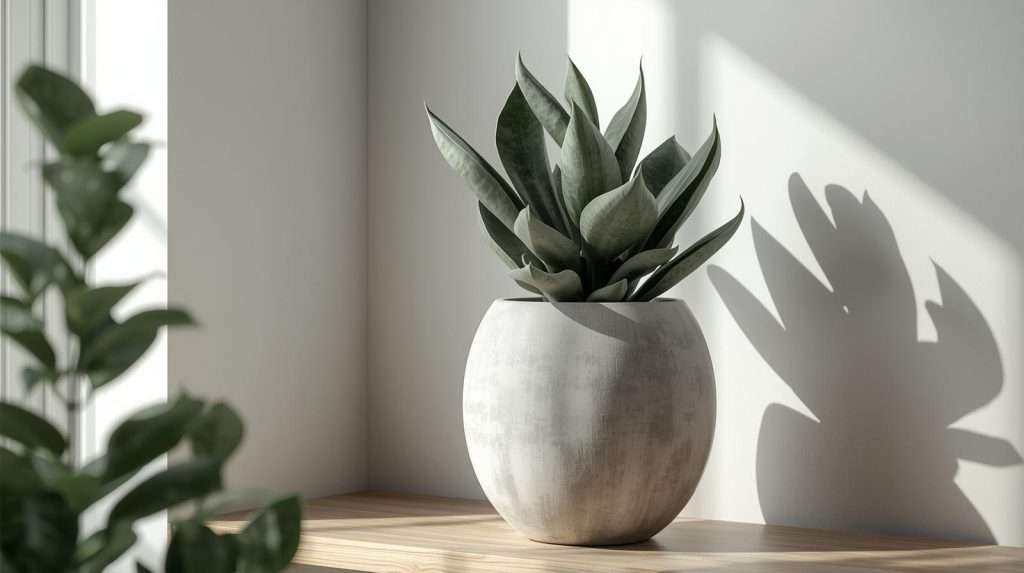
Gasteria plants are resilient, low-maintenance succulents ideal for indoor settings. They thrive in bright, indirect light (a few hours of gentle sun) and well-draining soil. Water sparingly – let the potting mix dry out completely between thorough soakings.
Provide normal room temperatures (65–75°F) and avoid cold drafts; they benefit from a cooler (around 50–60°F) winter rest to encourage blooming. Fertilize lightly in spring and summer with a balanced or cactus fertilizer at half strength.
Gasteria plant care is about recreating the right indoor conditions for this “ox tongue” succulent. These South African natives like shelter from harsh sun, making them perfect for east- or north-facing windows.

Indoors, focus on bright, indirect light, infrequent watering, and excellent drainage. Even novice plant owners can succeed by following simple routines: rotate the pot for even light, water deeply but only when dry, and use a gritty potting mix. With minimal fuss, your gasteria will stay plump and may even bloom in winter.

Gasterias propagate easily from offsets or leaf cuttings. Overwatering can cause root rot; watch for mealybugs or scale and treat with alcohol wipes if needed. In apartment decor, their sculptural foliage adds charm; they remain compact (usually under 1–2 ft indoors) and pair well with other succulents.
Quick-Reference Care Summary/Checklist
- Light: Bright, indirect light is best (a few hours of gentle sun). Tolerates some shade better than many succulents, but avoid deep dimness. In low-light apartments, place as close as possible to a bright window or supplement with a grow light.
- Water: Use the “drench-and-dry” method. Water thoroughly so it flows out the bottom, then wait until the soil is completely dry before watering again.
In summer, this is often about once a week; in winter, reduce to once a month or less. Never let the pot sit in water or let water pool in the rosette. - Soil & Potting: Use a fast-draining cactus/succulent mix or mix (e.g., 1 part potting soil to 1–2 parts coarse sand/perlite).
Plant in a container with drainage holes. A shallow, wide pot is preferable (gasteria roots are shallow). Repot only when needed (every 3–5 years or if root-bound). - Temperature & Humidity: Keep indoor temps around 65–75°F. In winter, a cooler spot (~50–60°F) is beneficial.
Protect from cold drafts or heat vents. Gasterias prefer normal to low humidity (40–50%); avoid overly humid rooms, which can promote rot. - Fertilizing: Feed lightly in spring and summer. Use a balanced liquid houseplant or cactus fertilizer at half strength, or a mild 1-1-1 formula.
Fertilize about once a month during growth; skip feeding in fall and winter. Overfeeding can burn roots – flush soil if salt buildup appears. - Propagation: Easily by removing offsets (pups) or rooting leaf cuttings. Pups form around the base – let them grow a bit, then gently separate and repot in fresh mix.
For leaf cuttings, allow a leaf end to callus, then insert it in damp succulent soil; wait for roots to form. Spring/summer propagation works best. - Pruning & Grooming: Trim off any yellow, brown, or dead leaves at the base to keep the plant tidy.
Gasterias rarely need pruning otherwise. Remove spent flower stalks after blooming. Wipe leaves with a damp cloth occasionally to remove dust and check for pests. - Common Issues: Overwatering is the main problem. Look for brown/black mushy spots at the base or on leaves (root/crown rot) and cut back watering if seen.
Check for mealybugs or scale (tiny white cottony or brown bumps); treat with isopropyl alcohol on a Q-tip. Pale, stretched leaves mean too little light. Brown crispy tips usually indicate fertilizer burn or very dry air – flush the soil and raise humidity. - Growth & Size: Slow-growing; most indoor plants stay 6–12 inches tall over years. Grows upright in rosettes or fans.
To keep a compact shape, prune tall leaves or separate offsets. For space-challenged homes, gasterias are excellent choices due to their modest size. - Styling: Gasterias make attractive houseplants. Place them in terrariums or on sunny shelves.
They pair well with other succulents (e.g., echeverias or haworthias) in mixed displays, provided all plants have similar light and water needs.
Use decorative clay or stone pots (which help wick moisture). Avoid placing on cold windowsills or in drafty entryways. - Pet Safety: Gasteria are generally non-toxic to cats and dogs. They contain no known pet poisons. However, their tough leaves are fibrous and can cause upset stomach if chewed. It’s still wise to keep them out of reach of curious pets.
Gasteria Plant Care: Light Requirements

Your houseplant is dying right now — and you have no idea why.
Stop killing your houseplants.
The fix takes 60 seconds.
Snap a photo. LetPlant AI instantly diagnoses what’s wrong, tells you exactly when to water, and alerts you before it’s too late — not after.
FREE Save my houseplants nowNo credit card. No catch. Just healthier houseplants.
These succulents thrive in filtered daylight but leaf scorch easily in harsh sun. Gasterias prefer bright, indirect light and are more shade-tolerant than many succulents.
An east-facing or north-facing window is ideal. They appreciate a few hours of gentle morning or late afternoon sun, but avoid strong midday rays.
In low-light apartments, set the plant as close to the brightest window as practical, or use a full-spectrum LED grow light for about 6–8 hours daily. Rotate the pot periodically so all sides receive light. If leaves begin to stretch or turn pale, increase light exposure.
Gasteria Plant Care: Watering and Moisture Control

Treat your gasteria with a “soak and dry” watering approach. When you water, drench the soil fully until water exits the drainage holes. Then let the soil dry out completely before watering again.
This typically means watering about once a week in warm months, and only once a month (or less) in winter. Because indoor air is dry, always check soil moisture with your finger: only water when the top 1–2 inches feel bone dry.

Never let the pot sit in water or let water pool in the rosette. If lower leaves start shriveling, give a drink, but beware that keeping soil even slightly moist in winter can cause rot. Using a well-draining mix and a pot with holes ensures excess water quickly leaves the root zone.
Gasteria Plant Care: Temperature and Humidity

Gasterias are warm-weather plants but tolerate cool nights. Keep them at typical room temperatures (about 65–75°F). A slight nighttime drop into the 50–60°F range is acceptable and can even encourage blooming.
Never expose your gasteria to freezing or prolonged cold – bring it away from cold windows in winter. They enjoy normal indoor humidity (around 30–50%).

Very dry air won’t harm them, but extremely dry leaf tips can benefit from occasional gentle misting or a pebble tray. Avoid placing gasterias near heating vents or drafty doors. Good air circulation helps prevent fungal spots on the leaves.
Gasteria Plant Care: Soil Requirements and Potting Practices

Gasterias need a fast-draining soil mix to prevent root rot. A quality store-bought cactus/succulent mix works well. You can also make your own: for example, mix equal parts potting soil and coarse sand or perlite.
The goal is a light, gritty mix that dries quickly. Do not use heavy garden soil or dense potting mix alone. Use a container with drainage holes (terra-cotta or unglazed ceramic is best for wicking moisture away).
When repotting (usually every 3–5 years), choose a pot only 1–2 inches larger in diameter. Remove the plant gently, trim off any dead or mushy roots, and let any fresh cuts callus for an hour.

Fill the new pot partly with fresh mix, set the gasteria in, and add mix around the sides. Water lightly after repotting (the mix should be dry-ish) and then resume normal watering only after a few weeks. Overpotting (using a too-large container) can keep soil wet too long.
Potting Mix Comparison: Below are three indoor-friendly succulent soil recipes:
| Mix Name | Ingredients | Pros | Cons | Best For |
| Basic Cactus Mix | Pre-mixed cactus/succulent soil (usually peat/coir + perlite/sand) | Convenient, balanced drainability | Variable quality, may compact over time | General houseplant care, beginners |
| DIY Standard Mix | 1 part potting soil + 1 part coarse sand or perlite | Easy to make, holds moderate moisture | Less drainage than gritty mixes | Mixed succulent collections |
| Gritty Cactus Mix | 1 part peat or coir + 1 part coarse sand + 1 part perlite/pumice. | Extremely well-draining, resists rot | Very low nutrients (requires fertilizing), dusty to mix | Plants prone to overwatering, long dry cycles |
Gasteria Plant Care: Fertilizing Schedule

Feed sparingly during active growth. In spring and summer, use a diluted balanced houseplant or cactus fertilizer (at half or quarter strength). Fertilizing about once every 4–6 weeks is adequate.
You can also use a very mild 1-1-1 or 5-5-5 fertilizer each watering as some growers do. Incorporating a small amount of organic matter (compost or worm castings) into the soil at potting time provides slow-release nutrients.
Stop fertilizing in fall and winter when growth naturally slows. Over-fertilization can burn roots (brown crisp leaf tips may indicate this) – if salts build up, flush the soil with fresh water.
Gasteria Plant Care: Propagation Methods

Gasterias easily propagate via offsets or leaf cuttings.
- Offsets (Pups):
 Wait until a pup (new rosette at the parent’s base) is a few inches tall with roots. Gently pull or cut it away from the parent. Allow any cut surfaces to dry (callus) for 1–2 days.
Plant the offset in fresh succulent mix; water lightly at first and keep in bright light. The pup will continue its own growth. - Leaf Cuttings:
 Remove a healthy, mature leaf by twisting it off close to the base. Leave the leaf flat on a paper towel for 1–2 days to callus.
Then insert the base of the leaf into a shallow tray of moist cactus mix or perlite. Keep it lightly moist (not wet) and in indirect light. Roots and a new rosette will form from the leaf base over several weeks.
Spring or early summer is best for propagation, when the plant is actively growing. Ensure good light and avoid overwatering cuttings. Each method clones the parent plant, so you’ll have identical new gasterias.
Gasteria Plant Care: Pruning & Grooming

Gasterias need minimal pruning. Simply remove yellow, brown, or dead leaves by cutting them at the base. This prevents rot and keeps the plant looking neat.
Trim spent flower stalks after blooming if they become unsightly. If a stem grows too long, you can cut it back – often it will branch at the cut.

Cleanliness is key: wipe the fleshy leaves with a damp cloth periodically to remove dust and inspect for pests.
Good hygiene (no standing water, no debris on soil surface) helps prevent fungal issues. Routine grooming also allows you to notice issues (like pests or diseases) early. Overall, pruning is about maintenance rather than shaping for gasterias.
Gasteria Plant Care: Common Pests & Diseases
Gasterias are hardy but watch for these issues:
- Root/Crown Rot:
 Signs include brown/black mushy spots at the plant base or on leaves. This is caused by overwatering or poor drainage.
Cure by cutting away affected tissue and repotting in fresh dry mix; then water sparingly. Always ensure the soil dries between waterings. - Fungal Leaf Spots:
 Black or brown spots on leaves can occur if water sits on foliage or humidity is very high. Improve air circulation, avoid wetting leaves, and treat spots with a copper fungicide if needed.
 - Mealybugs and Scale:
 Look for tiny cottony white masses or small brown bumps on leaves and stems. If found, isolate the plant and dab pests with 70% isopropyl alcohol on a cotton swab (repeat every few days) or use insecticidal soap.
Early treatment prevents serious infestation. Inspect new plants before introducing them. - Spider Mites:
 In very dry, dusty conditions, fine webbing may appear. Rinse the plant thoroughly or use a miticide.
 - Other: Gasterias bruise easily; avoid rough handling as damaged areas can rot.
Regular inspection and preventive care (proper watering, good light, clean environment) will keep pests and diseases at bay.
Troubleshooting Leaf Problems
- Yellowing Leaves: Often from overwatering or too little light. If leaves turn translucent or mushy as well, cut back watering and improve drainage.
If the plant is in deep shade, move it to brighter light. Some older leaves naturally yellow and drop off as new ones emerge. - Brown Leaf Tips: Usually from fertilizer burn, hard water salts, or very dry air. Flush the soil with distilled or rainwater to remove salts. Cut off brown tips and reduce fertilizer. If air is extremely dry, increase humidity slightly.
- Shriveled Leaves: This indicates underwatering. Give the plant a good soak and ensure the soil can drain, then resume less frequent watering. Consistent leaf shriveling means too little water (or extremely poor roots).
- Leggy Growth: If the plant stretches with gaps between leaves, it is receiving insufficient light. Move it to a brighter location. Gasterias will remain compact and rosetted in proper light.
- Leaf Discoloration (Red/Purple): A red or purple tint can develop under intense light as sun protection. Move the plant to milder light to restore green leaves.
Diagnosing the cause (water, light, pest) quickly and correcting it will restore your plant’s health.
Growth Expectations & Size Management
Indoors, gasterias remain compact. Most will stay around 6–12 inches tall and wide after years of growth. They are slow growers, adding just a few leaves or offsets yearly. If a plant ever outgrows its space or becomes top-heavy, simply cut off the top rosette and re-root it.
Each cut section will sprout new plants. Pruning leggy stems will also cause branching. To keep a manageable size, pot the plant with minimal extra room and remove excess pups.
Gasterias rarely need trimming beyond removing old leaves – their natural size is already apartment-friendly. Over time, a tightly pruned or divided gasteria can fill a small planter without dominating the space.
Pet Safety & Toxicity
Gasterias are considered non-toxic to cats and dogs. They don’t contain the toxic compounds found in true aloes. However, their leaves are very fibrous and can cause gastrointestinal upset if ingested.
It’s wise to keep pets from chewing on them (place the plant on a high shelf or in a room pets can’t access).
If a pet nibbles a leaf, watch for vomiting or diarrhea and consult a vet if symptoms occur. While not poisonous, like any plant matter they can be hard on a pet’s stomach.
Styling & Placement Ideas for Apartments
- Sun vs. Decor: Use bright spots like windowsills and balconies (protected from direct sun) to both light the plant and display it. Gasterias look striking in decorative containers, planters, or terrariums.
- Groupings: They pair well with other succulents in a succulent bowl or vertical garden, as long as all plants share similar care (light and watering). Their bold, mottled leaves contrast nicely with smooth aloes or rosette echeverias.
- Modern Interiors: Gasterias’ architectural form fits minimalist or contemporary decor. Place single specimens on bookshelves, coffee tables, or desks to add a touch of green.
- Humid Rooms: Thanks to tolerance of dry air, gasterias even do well in bathrooms or kitchens with good light (the extra humidity is fine).
- Drought-Resistant Displays: Build small rock gardens or “desert” terrariums in shallow bowls using sandy mix and pebbles; tuck the gasteria among rocks for a natural look.
- Trailing Effect: Some gasteria types produce long flower stalks – you can decorate these with small pendant glass terrariums or fairy lights in decor.
Always avoid cramped, dark corners. With proper light, gasterias make stylish, sculptural centerpieces even in limited urban spaces.
FAQ
- How often should I water my indoor gasteria? Generally once a week in spring/summer (when growth is active) and much less in winter. Always allow the soil to dry out between waterings. Err on the side of underwatering – soggy soil causes rot.
- Can gasteria survive in low light? They tolerate lower light than many succulents, but still need bright indirect light to thrive.
If a gasteria is very pale or leggier than normal, it likely needs more light. A few hours of morning or late afternoon sun, or a good grow light, keeps the foliage compact and colorful. - How do I propagate gasteria? Remove and replant offsets (pups) from the parent plant. Let the base of each pup dry for a day, then plant it in fresh succulent mix.
You can also root a single leaf: let it callus for a few days, then lay it on moist gritty soil and wait for a new plantlet to form from the base. Spring/early summer is the best time to propagate. - When should I repot a gasteria? Only when necessary – every 3–5 years at most. Repot in spring into fresh soil if the plant is root-bound or the old soil is spent. Choose a pot only slightly larger (1–2 inches wider); avoid overly large containers as they retain moisture.
- Why are my gasteria’s leaves turning yellow or brown? Yellow, mushy leaves usually mean overwatering. Cut back watering and let the plant dry out. Brown, crispy edges often indicate salt or fertilizer buildup or very dry air.
Flush the soil with clean water and trim off brown parts. Also ensure the plant has enough light – deep shade can stress gasterias and lead to discoloration. - Are gasterias toxic to pets? No, they are generally non-toxic to cats and dogs. They do not contain the toxic sap of aloes.
However, large ingestions of any plant can cause upset, so it’s best to keep them out of reach of inquisitive pets. - How can I encourage flowering? Provide a rest period: in late fall/winter give the gasteria a cooler spot (around 50–60°F) and minimal water.
Adequate light year-round and a period of cooler temperatures will often trigger gasterias to send up flower stalks in late winter or spring. Keeping them slightly pot-bound can also stimulate bloom.