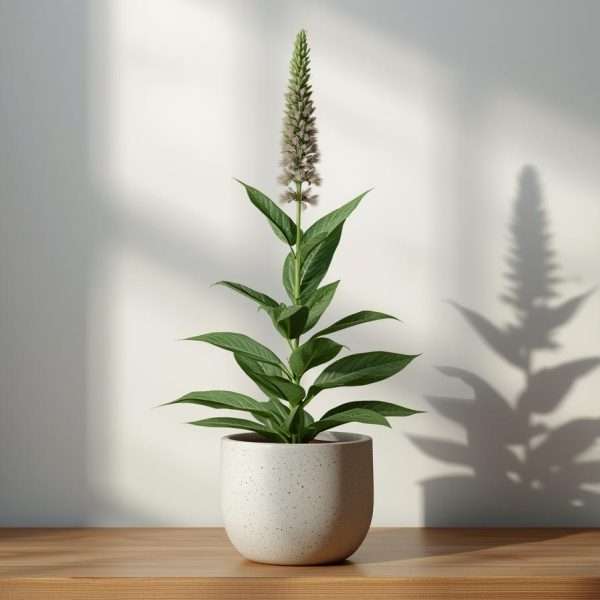
Duranta plant care starts with understanding that this tropical shrub isn’t a typical low-light houseplant, but it can adapt beautifully indoors when given enough brightness, warmth, and regular attention.

With the right placement near strong natural light, consistent watering, and mindful pruning to control its size, duranta can become a striking indoor plant even for apartment dwellers and beginners alike.
Duranta (duranta erecta), also called golden dewdrop or pigeon berry, is a tropical broadleaf evergreen with clusters of lavender-blue flowers and golden berries.


It grows quickly and loves bright light and warmth, which can be a challenge in a typical apartment. However, with the right care steps – especially plenty of light and regular pruning – even apartment gardeners can enjoy a blooming duranta year-round.
For indoor use, compact or thornless cultivars (like ‘alba’ or ‘golden edge’) are easiest to manage. Below is a detailed guide (with tips and troubleshooting) to help you keep your indoor duranta healthy and happy in low-light urban settings.
Duranta plant care quick-reference care summary/checklist:
- Light: full sun to very bright indoor light. Place the pot within about 30 cm (1 ft) of a south- or southwest-facing window, or use a strong full-spectrum grow light (12–14 hours/day). Duranta does not tolerate low light.
- Temperature: keep warm – around 70–80°f (21–27°c) by day. Avoid temperatures below about 40°f (4°c) or cold drafts.
- Water: keep the soil evenly moist but never waterlogged. Water whenever the top ~1 inch (2.5 cm) of soil dries out. Ensure excellent drainage and discard any excess water to prevent root rot.
- Humidity: average home humidity is usually fine, but duranta thrives at 50–60% humidity. In dry air (especially winter), use a pebble tray or humidifier to boost moisture.
- Soil: use a rich, loamy potting mix amended with organic matter. The mix should be loose and slightly acidic-to-neutral (ph ~5.6–7.5). Adding perlite or pumice improves drainage and root aeration.
- Fertilizer: light feeder. In fertile soil you may not need any, but otherwise feed a balanced houseplant fertilizer (or slow-release fertilizer) about once a month during spring and summer. Avoid over-fertilizing (excess nitrogen can promote foliage over blooms).
- Pruning: regularly pinch or trim back new growth to encourage bushiness and keep the plant’s size in check. Many duranta varieties have sharp thorns, so wear gloves when pruning.
- Potting: choose a sturdy pot (about 40 cm/16 in wide for a mature plant) with drainage holes.
Repot every 12–18 months (or whenever roots fill the container) to refresh the soil and give roots room. Using a slightly smaller container can help limit the plant’s ultimate size. - Toxicity: all parts of duranta are poisonous to people and pets (especially the berries). Keep the plant out of reach of children and animals, and wash your hands after handling it.
Your houseplant is dying right now — and you have no idea why.
Stop killing your houseplants.
The fix takes 60 seconds.
Snap a photo. LetPlant AI instantly diagnoses what’s wrong, tells you exactly when to water, and alerts you before it’s too late — not after.
FREE Save my houseplants nowNo credit card. No catch. Just healthier houseplants.
Duranta plant care: Light requirements

Duranta thrives on bright light. Place it as close as possible to a bright window. It needs the equivalent of full sun: about 6+ hours of direct light daily.
In practice, set the pot within 1 ft of a south- or southwest-facing window for maximum sun exposure. Under medium or low light, a duranta will quickly become leggy and sparse, often losing foliage and failing to flower.
If natural light is limited, supplement generously with grow lights. A full-spectrum led light placed just 6–8 in above the foliage and run for 12–14 hours a day works well. Rotate the plant weekly so all sides receive light.

In dim apartments, use reflective tricks: tips for low-light homes: use bright led grow lights on a timer (aim for ~10,000–15,000 lux at the plant), and position a white wall or reflective panel behind the duranta to bounce extra light onto it.
Avoid placing the plant in dark corners – without sufficient light it will languish. In short, bright, unfiltered light is key; any shady or dim location will make the plant weak and spindly.
Duranta plant care: Watering and moisture control

Water consistently to keep the potting mix evenly moist but never waterlogged. A good rule is to water when the top ~1 inch (2–3 cm) of soil feels dry.
Use a well-draining mix and a pot with holes so that excess water can run out; never let the pot sit in water (remove any saucerful). Overwatering is a common problem – it can cause root rot, yellow leaves, and dropped foliage.

If leaves turn yellow and droop, pause watering and allow the soil to dry a bit. Conversely, underwatering will cause wilting or brown leaf tips; established durantas will tolerate a short dry spell but should not be allowed to completely dry out.
Seasonally adjust your watering: duranta’s growth slows during the cooler, darker months. In winter or low-light periods, water less frequently and let the topsoil dry out a bit more between waterings.
(if you move a plant indoors from a warmer spot, trim back foliage and water sparingly until it settles in).
Always check soil moisture rather than following a rigid schedule, and aim to keep the potting mix just slightly moist, especially in summer when the plant is actively growing.
Duranta plant care: Soil and potting

Use a rich, loamy potting mix that drains well. Duranta prefers a mix high in organic matter but loose enough to allow air flow to the roots.
An ideal mix is general-purpose potting soil blended with perlite or pumice (or orchid bark) to improve drainage and aeration. Maintain a slightly acidic to neutral ph (about 5.6–7.5) for best nutrient availability.

Always pot duranta in a container with drainage holes. If the pot is too large, it will stay wet longer – a pot roughly 16–20 inches wide is suitable for a mature plant, or smaller (10–12 in) for more compact varieties.
Repot annually or whenever you see roots filling the pot. This refreshes the soil and gives the roots room to expand.
When repotting, gently prune any circling roots. As a rule, don’t bury the stem deeper than it was – plant at the same depth as before. Good potting practices prevent waterlogging and root stress, two major causes of duranta troubles.
Duranta plant care: Temperature and humidity

Duranta is a tropical plant and likes warm, stable temperatures. Aim to keep it around 68–80°f (20–27°c) during the day. Nighttime temperatures can be a bit lower, but try not to let it drop below ~60°f (15°c).
Do not expose the plant to cold drafts or sudden drops below about 40°f (4°c) – such cold can cause leaf damage or drop. In practice, a normal heated apartment is usually fine; just keep it away from chilly windows in winter or icy air vents.
Average indoor humidity (30–50%) is usually acceptable, but duranta will thrive with a bit more moisture in the air. Around 50–60% humidity helps the plant stay lush.

If your home has dry heat, especially in winter, raise humidity by placing the pot on a tray of wet pebbles or using a small room humidifier.
You can also mist the foliage lightly in the morning to refresh the leaves. Good air circulation is also important to prevent fungal issues, so avoid stagnant air – a gentle fan nearby is fine.
Duranta plant care: Fertilization

Feed your duranta lightly and seasonally. In nutrient-rich soil you might not need any fertilizer, but in standard potting mix give a balanced houseplant fertilizer (e.g. 10-10-10 npk) or a slow-release fertilizer once a month during spring and summer.
This will support steady growth and flowering. Don’t use heavy high-nitrogen feeds; in fact, too much nitrogen can encourage leafy growth at the expense of flowers.
Stop fertilizing in fall and winter when the plant’s growth naturally slows. If you see new growth in late winter, resume feeding as spring arrives.

Dilute any liquid fertilizer to half strength for duranta to avoid root burn. If leaves look pale or yellow (and light and water are adequate), a diluted, slow-release fertilizer can perk the plant up. Always water before and after feeding to prevent fertilizer salts from harming the roots.
Duranta plant care: Propagation
Duranta is easy to propagate by stem cuttings, which is useful for renewing an old plant or sharing with a friend. Follow these steps:

- Take a cutting. In late spring or summer, snip a healthy 6–8 inch (15–20 cm) semi-woody stem from new growth. Remove the lower leaves to expose the stem.
- Prepare the cutting. Optionally dip the cut end in rooting hormone powder to boost root development.
- Pot it up. Insert the cutting into a small pot filled with moist soilless mix (perlite/peat or a light potting mix). Firm the mix around the stem.
- Create humidity. Cover the pot with a clear plastic bag or place under a humidity dome to keep the cutting moist. Place it in bright, indirect light – not direct sun, which can scorch it. Keep the medium slightly moist (not waterlogged) during rooting.
- Wait for roots. In about 3–4 weeks the cutting should develop roots. You can test by gently tugging; if you feel resistance, roots are growing. Once a good root system is established, transplant the new plant into normal potting mix and care for it as above.
Growing from seed: you can also try duranta seed propagation, but note that many garden varieties are hybrids. Seed-grown plants may not look exactly like the parent. Seeds will germinate in about 30–60 days at room temperature (~70°f). Keep the seed mix moist and warm, and be patient.

Duranta plant care: Pests and diseases
Indoor durantas are relatively hardy, but they can attract common houseplant pests and occasionally fungal issues. Stay vigilant and inspect your plant regularly (especially the undersides of leaves).
- Whiteflies and scale:

these tiny sap-suckers often infest indoor plants. You may notice small white insects or sticky “honeydew” on leaves.
Treat infestations early with insecticidal (horticultural) soap or neem oil spray. Thoroughly coat the leaves (including undersides) once a week for a few weeks. Good humidity and airflow help deter these pests. - Mealybugs:
 Look for white, cottony clusters on stems or leaf joints. These can be removed by dabbing with a cotton swab dipped in rubbing alcohol. Repeat treatment until all pests are gone.
 - Spider mites:

In very dry air, you might see fine webbing or tiny moving dots. Increasing humidity and misting the leaves can help prevent mites. If infested, spray gently with water to wash them off, then use insecticidal soap if needed. - Anthracnose (leaf spot):

Duranta can suffer a fungal leaf spot (called anthracnose) that causes tan to reddish-brown lesions along veins and cupped or distorted leaves.
To control it, carefully prune off any infected leaves (dispose of them – do not compost) and treat the plant with a suitable fungicide every 7–10 days as directed.
Improving air circulation and avoiding wet leaves (water the soil, not the foliage) will help prevent these spots. - Root rot:

If you overwater or use a heavy, poorly-draining soil, the roots can suffocate and rot. Symptoms include yellowing leaves and a generally wilted look despite wet soil.
If root rot is suspected, repot immediately into fresh, fast-draining mix and cut back watering.
Overall, catching issues early is key. A clean plant in good light is the best prevention. Wiping leaves occasionally, avoiding overcrowding plants, and promptly removing any dead foliage will keep pests and diseases at bay.
Duranta plant care: Troubleshooting common problems
Here are quick fixes for typical indoor duranta problems:
- Yellow leaves:

Often from overwatering or poor drainage, or from insufficient light/nutrients. Solution: let the soil dry slightly between waterings, check that the pot drains well, and move the plant to a brighter spot. A light balanced feeding can help if nutrient-deficient. - Leaf drop:

Durantas sometimes shed a few leaves after a change in environment (like moving to a darker spot). This is usually temporary.
To help it recover, keep conditions stable (consistent water, light, and temperature) and prune out any completely bare stems. New leaves should soon replace the lost ones. - Leggy (sparse) growth:

Tall, thin stems with wide gaps between leaves mean “i’m not getting enough light.” Move the plant closer to the light source or add a grow light.
Also, pinch or prune back the long shoots – duranta will branch out and become bushier with regular pruning. - No or few flowers:

Indoor durantas rarely flower unless the light is very strong. If yours hasn’t bloomed, it’s most likely due to insufficient light or too much fertilizer.
More light and a balanced fertilizer (not high in nitrogen) may encourage blooms. However, even without blooms, the foliage is quite attractive. - Wilting or drooping:

check watering. If dry, give a thorough drink; if wet, hold off watering and ensure the soil is draining. Avoid cold drafts or sudden shifts in temperature, as these can also cause drooping. - Persistent pests: if you keep getting whiteflies/scale, increase humidity and spacing, and continue regular insecticidal sprays. Sometimes a single treatment isn’t enough; repeat every week until no pests remain.
By addressing each problem promptly, you can keep your duranta vigorous. Regular observation is the best tool – daily casual checks of your plant help you catch issues early.
With attention to these care details, your indoor duranta can thrive. It may not be the most common houseplant, but as one expert notes, “with attention to light and pruning, urban dwellers can enjoy its tropical beauty indoors”.
Bright light, consistent watering, and preventive pruning will go a long way toward a healthy duranta that adds year-round color to your apartment.