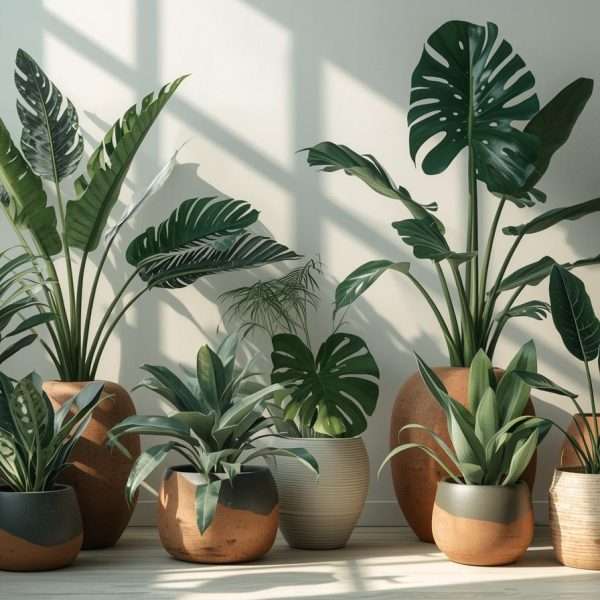
Growing a Croton Mammy Plant (Codiaeum variegatum ‘Mammy’) indoors brings tropical colour into even the smallest city apartment. This compact cultivar sports glossy, twisted leaves in shades of green, yellow, orange, red and purple and remains manageable at about 3–4 ft tall.

Urban plant enthusiasts love its dramatic foliage and sculptural shape, but the plant does have specific needs that must be met when it is grown inside.
The following guide combines practical advice with scientific insights so that beginners and experienced growers alike can keep a Croton Mammy thriving.

Quick‑Reference Care Summary / Checklist
- Light: Bright, indirect to bright direct light; east‑ or west‑facing windows are ideal. Colour fades in low light and leaves can burn in harsh midday sun .
- Water: Water thoroughly when the top inch of soil is dry. Allow excess water to drain; over‑watering causes wilting and root rot .
- Humidity: Moderate to high (40 – 80 %); mist the plant or use a pebble tray or humidifier to prevent leaf drop .
- Temperature: Keep between 60 and 85 °F (15 – 29 °C). Avoid cold drafts and temperatures below 50 °F, which cause leaf drop .
- Soil: Well‑draining but moisture‑retentive. Use an all‑purpose potting mix amended with sand or perlite .
- Fertilizer: Feed lightly three times during the growing season using a balanced or slightly acidic fertilizer .
- Potting: Repot annually until the plant fills its pot; afterwards only when root‑bound. Choose a container just 1–2 inches larger .
- Toxicity: All parts of the plant are toxic if ingested, and the sap can irritate skin . Keep away from pets and children.
Croton Mammy Plant Profile & Why Urban Dwellers Love It

Croton Mammy is a cultivar of Codiaeum variegatum, a shrub native to tropical Asia and the western Pacific.
Cultivars differ widely in leaf shape and colour; ‘Mammy’ is known for its elongated leaves that twist into a corkscrew and display green, yellow, orange and purple bands.
The plant rarely exceeds 3–4 ft indoors, making it suitable for compact apartments. Because its foliage is variegated, the plant adds eye‑catching colour without needing flowers.
In addition to its aesthetic appeal, Croton Mammy is reported to purify indoor air by removing certain toxins . However, all parts of the plant are toxic when ingested and its milky sap can irritate skin , so it should be placed out of reach of curious children and pets.
Your houseplant is dying right now — and you have no idea why.
Stop killing your houseplants.
The fix takes 60 seconds.
Snap a photo. LetPlant AI instantly diagnoses what’s wrong, tells you exactly when to water, and alerts you before it’s too late — not after.
FREE Save my houseplants nowNo credit card. No catch. Just healthier houseplants.
Croton Mammy Plant Light Requirements and Placement
Bright, Indirect to Bright Direct Light

The most important factor for a colourful Croton is light. In nature, these plants grow in bright tropical sunlight filtered through the canopy. Indoors they need bright, indirect light for several hours daily.
An east‑ or west‑facing window often provides strong but not harsh light; south‑facing windows can work if the plant is placed a few feet back or behind a sheer curtain. Insufficient light causes the leaves to revert to green and become sparse .
Conversely, hot midday sun can scorch foliage, so avoid placing Croton Mammy where direct summer sun streams through untreated glass.
Placement Tips for Small Apartments

Urban dwellers frequently struggle with limited windows or low light. If natural light is scarce, supplement with a full‑spectrum grow light for 10–12 hours a day. LED grow bars or bulbs can be mounted on shelves or under cabinets and consume little energy.
Position the light about 12 inches above the plant and adjust based on the intensity, crotons prefer more light than many houseplants.
Rotate the plant a quarter turn every few weeks to promote even growth and prevent leaning. Mirrors or white walls can help bounce light around small rooms, increasing brightness without additional fixtures.
Croton Mammy Plant Watering & Moisture Management
When and How to Water

Croton Mammy prefers consistently moist but not waterlogged soil. Water deeply when the top inch of potting mix feels dry to the touch; then allow excess water to drain from the pot.
The Tropical Plants of Florida guide notes that watering too much causes leaves to wilt and that drainage holes are essential .
Plant quality recommends watering once or twice a week and warns that saturated roots lead to rot and browning leaf edges .
In summer, when growth is active, the soil may dry more quickly; in winter, water less often but do not let the mix become bone dry. Using a self‑watering reservoir or moisture meter can help beginners avoid over‑ or under‑watering.
Preventing Root Rot and Maintaining Moisture
Root rot occurs when roots sit in stagnant water; this is especially problematic in closed pots without drainage or when plants sit in saucers filled with water. Ensure your container has drainage holes and empty any saucer 15 minutes after watering.
Use a chunky potting mix with coarse perlite or orchid bark to improve aeration. For forgetful gardeners or frequent travelers, self‑watering systems like sub‑irrigated planters can help maintain consistent moisture.
However, always let the top inch of soil dry before refilling the reservoir. If leaves droop dramatically, check soil moisture; drooping may result from over‑watering or underwatering.
Adjust your routine accordingly and be mindful that Croton Mammy’s water needs decrease during the cooler months .
Soil & Potting
Choosing the Right Medium

Croton Mammy thrives in a well‑draining yet moisture‑retentive soil. An all‑purpose potting mix amended with sand or coarse perlite works well, as it promotes drainage and prevents waterlogging .
Letplant notes that crotons do best in fertile, moist soil and should be watered when the top half‑inch to one inch of soil dries out . Avoid heavy garden soils that compact easily. A slightly acidic pH is beneficial; if you choose to fertilize, select products that gently acidify the mix .
Containers and Repotting

Because crotons grow slowly indoors, they don’t need frequent repotting. Repot each spring or early summer for the first few years or when roots appear through drainage holes . After the plant matures, repot only when it becomes root‑bound, moving up to a pot 1–2 inches larger.
Plant quality cautions that root‑bound crotons cannot absorb water and nutrients effectively and recommends repotting into a pot about 2 inches larger in diameter, gently loosening the root ball and filling with fresh soil .
Always choose containers with drainage holes; decorative cachepots can hide plain nursery pots while preserving drainage.
Temperature, Humidity & Creating a Microclimate
Temperature Preferences
Croton Mammy is a tropical plant and appreciates warm conditions. It grows best at 60–85 °F (15–29 °C), with an ideal around 70 °F (21 °C) .
The guide warns that temperatures below 50 °F (10 °C) cause leaf drop , while the Tropical Plants of Florida guide states that growth slows above 80 °F (27 °C) .
Keep the plant away from drafty windows, heating vents and air conditioners, which can create rapid fluctuations and stress.
Humidity Needs and How to Increase It
Crotons require moderate to high humidity (40–80 %) to maintain leaf colour and prevent crisping . Indoor heating and air‑conditioning often reduce humidity to below 30 %, so urban gardeners should take steps to increase moisture around the plant. Effective methods include:
- Pebble tray:
 Place the pot on a tray filled with pebbles and water. As the water evaporates, it humidifies the air around the foliage.
 - Humidifier:
 Use a small humidifier near the plant; this is especially helpful in dry winter apartments.
 - Misting:
 Lightly mist leaves with room‑temperature water every few days ; avoid oversaturating the foliage to prevent fungal issues.
 - Grouping plants:
 Positioning several plants together creates a microclimate with higher humidity because plants transpire moisture.
 - Rooms with natural humidity: Bathrooms and kitchens with bright light often provide more humidity and are excellent spots for crotons.
Fertilizing & Feeding
Croton Mammy isn’t a heavy feeder but appreciates occasional nutrients. The Tropical Plants of Florida guide suggests fertilizing at the beginning of spring, beginning of summer and later in the summer.
Plant quality echoes this, recommending granular fertilizer three times a year—spring, summer and fall, to help the plant reach its full potential.
For a more controlled approach, Letplant advises using slow‑release pellets three times per growing season or applying diluted liquid fertilizer every other month from early March through late September, ceasing in winter.
Choose a balanced or slightly acidic formulation (e.g., NPK 3‑1‑2 or 8‑2‑10) . Always water before and after feeding to prevent root burn, and avoid over‑fertilizing, which can lead to salt buildup and leaf damage.
Growth, Size & Pruning
How Big Will It Grow?
Indoors, Croton Mammy typically reaches 3–4 ft high and 2–3 ft wide with proper care. Its twisted, colourful leaves remain densely packed when the plant receives adequate light.
In low light, stems may elongate and leaves become sparse . Rotate the pot quarterly to encourage even growth and prevent leaning.
Pruning and Shaping
Pruning keeps the plant bushy and maintains its vibrant appearance. Remove dead or damaged leaves at their origin using clean, sharp shears.
If the plant becomes leggy, trim stems just above a node or leaf set, but do not remove more than one‑third of the stem height at a time . Pruning in early spring encourages branching and fresh growth . Always wear gloves because the milky sap may irritate skin .
Propagation
Crotons can be propagated by stem cuttings. Take a 4–6 inch cutting with at least three leaves; remove the lower leaves and optionally dip the cut end in rooting hormone.
Plant the cutting in moistened, well‑draining soil and cover it with a clear plastic bag to create a humid micro‑environment.
Place the cutting in a warm, bright spot (around 70–80 °F). Roots typically develop within four weeks . Once new growth appears or the cutting resists a gentle tug, transplant it into a slightly larger pot.
Troubleshooting & Common Issues
Leaf Drop

Croton Mammy often drops some leaves when introduced to a new environment; this is a normal adjustment period.
Persistent leaf drop, however, usually indicates stress from one of the following: low light, drafts, extremes of temperature, over‑ or under‑watering, or nutrient imbalance . Evaluate conditions and adjust accordingly.
Move the plant to a brighter spot if colours are fading, ensure soil drains well to avoid root rot, and check that temperatures remain within the recommended range.
Colour Fading

If the leaves become greener and lose their characteristic variegation, the plant likely needs more light . Move it closer to a window or provide supplemental light. Insufficient humidity can also dull colours; increasing humidity as described above may help .
Pests & Diseases

Common houseplant pests such as mealybugs, spider mites and scales occasionally infest crotons. Letplant notes that these insects are among the few problems crotons encounter indoors.
Regularly dust leaves (use a soft cloth or a gentle shower) to remove pests and allow the plant to breathe. If pests appear, wipe affected areas with a solution of mild soapy water or treat with neem oil. Good air circulation helps prevent fungal issues; avoid placing crotons in stagnant corners.
Root Rot & Over‑Watering

Consistently soggy soil leads to root rot, which causes yellowing or browning leaves and a foul smell. Plant quality emphasizes that over‑watering and lack of drainage cause saturated roots and eventual rot .
Always check soil moisture before watering and use a well‑draining medium and pot. If rot is suspected, remove the plant from its pot, trim off mushy roots and repot in fresh mix.
Urban Tips: Making Croton Mammy Thrive in Small Spaces
- Maximise Light:
 Place the plant near the brightest window available and supplement with LED grow lights if necessary. Use sheer curtains to diffuse harsh midday sun.
 - Use Vertical Space:
 Shelves, plant stands or hanging planters free up floor space and bring the plant closer to light sources.
 - Micro‑Climates:
 Bathrooms and kitchens often have higher humidity; situate your croton in these areas if they receive adequate light. Grouping plants together also increases humidity.
 - Self‑Watering Systems:
 For busy urban lifestyles, consider self‑watering planters that keep soil evenly moist. Check the reservoir monthly and refill when needed.
 - Decorative Potting:
 Croton Mammy pairs well with decorative cachepots. Slip the nursery pot into a stylish cover pot that complements your décor while preserving drainage.
 - Regular Dusting & Rotation:
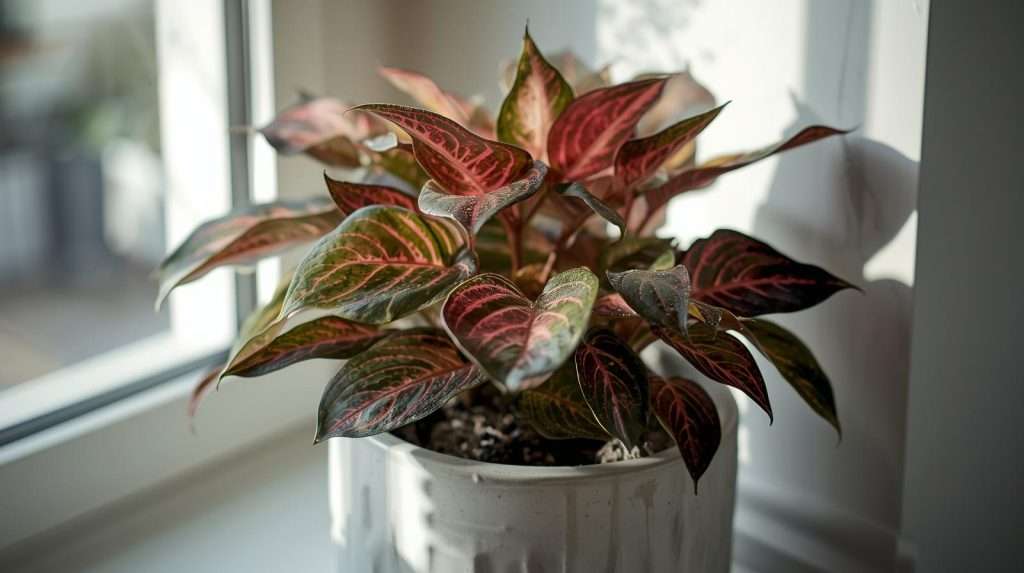 Dust accumulates quickly in city apartments. Wipe leaves with a damp cloth to enhance photosynthesis and rotate the pot monthly to ensure uniform growth.
Conclusion
Croton Mammy brings vibrant tropical colour into small urban spaces when given the right care. It thrives in bright, indirect to direct light, requires consistently moist but well‑draining soil, and enjoys warm temperatures and high humidity.
With occasional feeding, timely repotting and an eye toward pests and environmental stress, even novice plant parents can keep this cultivar thriving.
Remember to respect its toxicity and protect children and pets. With these considerations in mind, your indoor jungle will soon feature the dazzling hues and playful curls of Croton Mammy, adding a piece of the tropics to your everyday life.