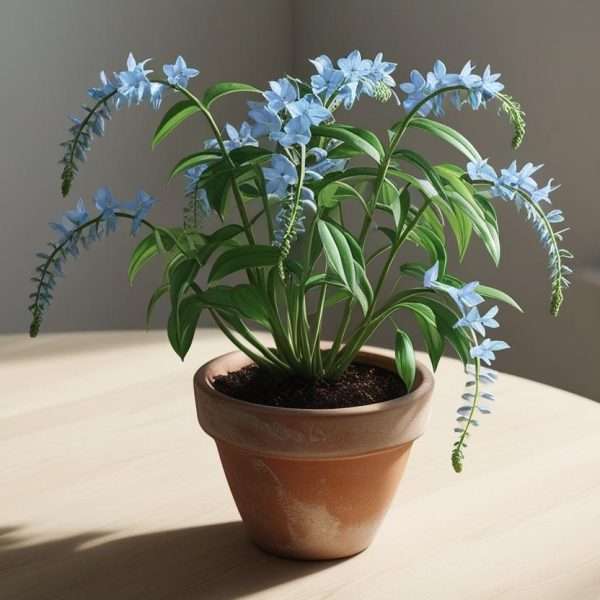
Amazon Sword Plants (Echinodorus, e.g. E. bleheri or amazonicus) are large, bright-green rosette plants from South America that thrive in both aquariums and humid indoor settings. They’re prized for their lush, sword-shaped leaves and ease of care.
In aquariums they form a dramatic background centerpiece; emersed (terrestrial) they can become giant tropical houseplants.

These hardy plants adapt to varied conditions, tolerate a wide pH (≈6.5–7.5) and temperature (≈22–28 °C) range, and even release oxygen into the water as they grow. In short, Amazon Swords are beginner‑friendly and visually striking additions to any indoor plant collection.

Aquatic vs. Terrestrial Growing (Pros & Cons) For Amazon Sword Plant
- Aquatic (fully submerged)
 Growing Echinodorus in an aquarium mimics its natural habitat.
Pros: constant moisture, easy nutrient delivery via water and substrate, and natural support for aquatic animals.
These sword plants absorb CO₂ and nitrates while producing oxygen, helping water quality. They prefer being fully underwater, though partially emersed leaves will form if light and water levels allow.
Aquatic culture does require aquarium equipment (tank, filter, lighting) and regular maintenance, and plants may “melt” briefly after transplant (old submerged leaves die and new leaves emerge). - Terrestrial/Emersed (paludarium/terrarium)
 In a humid indoor setting or paludarium (half-water, half-land tank), Amazon Swords grow with their crowns just above the soil.
Pros: very vigorous growth (some reach >2 ft tall emersed) and lush foliage, faster propagation, and no algae on leaves. They adapt to moist soil and high humidity.
Cons: you must maintain high humidity (initially >60–80%) or cover the plant (e.g. with a plastic dome) and keep soil constantly damp. Emersed leaves often differ in color (reds may fade to green).
Seasonal variations or insufficient humidity can cause leaf drop if not acclimated gradually.
Recommended setups: Paludariums or ripariums (with a water section) let swords grow emersed by having potted plants by the water. In fully aquatic tanks, treat them as background/midground plants (see below).
Amazon Sword Plants Ideal Lighting (Natural & Artificial)
Amazon Sword Plants enjoy bright light but are adaptable. Indoors, place them where they get bright indirect light or under grow lights. In an aquarium, use a moderate-to-high quality light (full-spectrum LED, fluorescent, or metal-halide).
Aim for 8–12 hours of light daily to mimic their tropical daylight. Bright daylight bulbs (≈6000–7000K) work well. Under aquatic conditions, too-low light slows growth and may invite algae, while too-high light can also cause algae or leaf “melting” stress. Adjust lighting duration or intensity if algae problems appear.
Your houseplant is dying right now — and you have no idea why.
Stop killing your houseplants.
The fix takes 60 seconds.
Snap a photo. LetPlant AI instantly diagnoses what’s wrong, tells you exactly when to water, and alerts you before it’s too late — not after.
FREE Save my houseplants nowNo credit card. No catch. Just healthier houseplants.
- Outdoor/Natural Light
 If growing emersed, bright indirect sunlight (e.g. near an east/west window) is fine; avoid scorching midday sun on newly acclimated leaves.
 - Artificial Light
 Fluorescent or LED plant lights on a timer ensure consistent photoperiod. Biotope growers often keep emersed swords under fluorescent tubes or LEDs about 10–12 h/day.
Indoors, you might cover plants with clear plastic to trap humidity (acting like a little greenhouse) while shining lights from above.
Tip: If leaf color fades (especially reds), try increasing light or adding CO₂ to enhance pigmentation.
Amazon Sword Plants Aquarium Setup
Tank Size & Layout

Amazon Swords get big (often 1–2 ft tall). A larger aquarium (20+ gallons) is ideal, though a single trimmed sword can live in smaller tanks.
Place sword plants in the background or middle-ground so their wide leaves don’t hide smaller plants.
Group several together at the back to create a “green jungle” effect, or use one as a centerpiece in a mid-size tank. Allow space for leaves to spread. In small tanks, pinch off outer leaves to prevent takeover.
- Water Depth
 Ensure the plants are fully submerged by at least a few inches of water. Most Amazon Swords prefer being totally underwater, with leaves reaching toward the surface. Floating or emergent leaves can form, but avoid letting crowns dry out.
Substrate & Planting Depth: Use a nutrient-rich substrate (aquarium soil, laterite, or fine gravel mixed with root-fertilizer) because swords are heavy root-feeders. A 2–3″ layer of gravel or sand atop soil can weight down pots or plants if needed.
When planting, gently spread out the roots and bury them fully while keeping the rhizome/crown above the substrate. Covering the crown can cause rot – only cover the roots. If using an inert gravel, push fertilizer tabs (iron-rich root tabs) into the gravel near the roots.
Water Conditions: Maintain tropical aquarium parameters. Aim for temperature ~72–78°F (22–26°C). Amazon Swords tolerate 68–86°F (20–30°C) but thrive in the mid-70s. pH should be roughly 6.5–7.5.
They handle both soft and moderately hard water (general hardness GH 4–18). Keep parameters stable – rapid swings cause stress. Good water circulation or filter flow ensures no stagnant spots around the roots.
Filtration & Water Quality

Use a filter strong enough for your tank (canister, hang-on, or sponge filter). Amazon Swords themselves help clean the water by consuming nitrates, but you still need weekly partial water changes (20–30%) to remove waste and replenish nutrients.
Remove any decaying plant debris promptly to avoid ammonia spikes. In tanks with heavy fish load, swords may show nutrient deficiencies faster if not fertilized.
- Water Changes: Fresh water (with matching parameters) weekly or biweekly keeps the substrate from becoming toxic. If algae or melt occurs, check nitrates and phosphate – swords will starve if water is too lean or too rich.
CO₂ & Fertilization: CO₂ injection is optional but benefits growth and color. In moderate-light setups it’s not required, but if you want faster, lusher growth, a CO₂ system or DIYCO₂ will help. All Amazon Swords need regular fertilization:
- Root tabs
 Since they are heavy root-feeders, place root tabs (tablets rich in iron, potassium, other micro- and macronutrients) in the substrate near each plant when planting, and re-dose monthly as nutrients deplete. This prevents yellowing from iron deficiency.
 - Liquid fertilizers
 Add a comprehensive liquid plant fertilizer to the water column weekly or as directed. This ensures trace elements (iron, magnesium, etc.) are available.
Brown or yellow leaf spots often indicate missing elements (e.g. iron or magnesium), which liquid ferts can correct.
Common Tank Mates: Amazon Swords coexist with many peaceful fish. Good companions include schooling tetras (e.g. neon or rummy-nose), barbs, gouramis, rasboras, and bottom-dwellers like Corydoras catfish.
Shrimp (cherry/bee) or snails (Nerites, Assassin snails) help control algae on leaves. Avoid plant-eaters (e.g. goldfish love nibbling large sword leaves) unless the swords are unimportant in the layout.
Other plants that complement swords are Java Fern, Anubias, Cryptocorynes, Vallisneria, and Hygrophila – place these in front of or around the swords to create layers.
Amazon Sword Plants Terrestrial (Emersed) Setup
When grown in pots or paludariums, Amazon Swords behave like swamp plants. They need loose, moist soil and high humidity.
- Potting Mix & Drainage
 Use a rich mix such as equal parts potting soil, coarse sand (or fine gravel), and clay granules (e.g. Turface). This mimics a riverbank substrate: it holds nutrients and moisture yet is free-draining. Fill the pot 3–4″ deep with this mix.
Ensure the pot has drainage holes; these plants can sit in shallow water, so a tray or saucer with an inch of water is fine, but never let the soil dry out completely. - Humidity & Enclosure
 Amazon Swords love humidity. When moving a plant from aquarium to air, gradually acclimate it. Do not place it directly into dry air (~40% humidity) or it will wilt.
Instead, start it under a cover (e.g. clear plastic container, terrarium lid, or even a cut soda bottle over the pot) to maintain 80–90% humidity for the first 1–2 weeks.
Misting leaves daily or using a small humidifier helps. After new tough growth appears, you can reduce to ~60% humidity and remove the cover. Indoors, a bathroom or near an aquarium (where humidity is higher) can work. - Light & Temperature
 Bright light is still important out of water. Place emersed swords under grow lights or where they receive bright indirect daylight.
Avoid very low light – these plants naturally grow in sunny river shallows. Daytime temperatures around 22–28 °C (70–82°F) are ideal, similar to aquarium conditions.
They tolerate brief dips (to ~15°C) but prolonged cold will halt growth. - Watering & Care
 Keep the soil constantly moist. You can grow the pot standing in a few centimeters of water, changing that water weekly (this also delivers dissolved fertilizer).
Alternatively, water from above whenever the top feels slightly dry, but never let the pot sit bone-dry. Use room-temperature, dechlorinated water. Feed with a weak liquid fertilizer weekly (dissolve houseplant or aquatic liquid fertilizer in the water tray). - Pruning & Growth
 Emersed swords form thick rosettes and can send up long flower stalks. They often outgrow their pots. Trim away old or damaged leaves at the base; this redirects energy into new growth.
If a plant becomes too big or crowded, divide the crown by pulling up and separating the root mass into two rosettes – then replant each. Expect very tall plants (up to ~2 ft or more in a large setup) with broad leaves if conditions are ideal.
Propagation Methods
Amazon Swords multiply readily by several methods:
- Division
 The oldest rhizome-based method. When a clump gets large, gently separate the crown into two or more rosettes, ensuring each piece has healthy roots and leaves. Replant immediately.
 - Runners (Plantlets)
 Most Echinodorus send out horizontal runners with tiny daughter plants along them. Wait until these plantlets have formed roots (often visible on the runner), then cut or snap them off.
Trim their roots slightly and replant each with its crown and roots partially exposed. This is the easiest way to expand. - Flower Seeds
 If grown emersed, swords will occasionally flower above water. Hand-pollination (with a soft brush) can set seeds. However, seed propagation is slow and uncommon for hobbyists.
Regardless of method, handle plants gently: rinse off old substrate before replanting, and use root tabs or fertilizer right away to help new roots establish.
Common Problems & Fixes
- Yellow Leaves
 Often this is just natural old foliage dying or growth adjustment. Trim yellowed leaves at the base. If new leaves are yellowing, it may indicate nutrient deficiencies (iron or potassium).
Remedy by adding root tabs and liquid iron fertilizer. If only older emersed leaves die after submerging, it’s normal for the plant to regrow fresh underwater leaves. - Melting Leaves
 When moving an Amazon Sword from dry to submerged (or changing light/humidity abruptly), some leaves may “melt” (decay) before new ones grow.
This is common. Cut away severely damaged leaves and ensure water parameters are stable. Gradual acclimation (slowly submerging the plant or adjusting light over days) can reduce shock. - Algae
 Green algae on leaves usually means excess light or nutrients. Reduce lighting duration/intensity, avoid over-fertilizing, and perform water changes to rebalance nutrients.
Introduce algivores (snails, shrimp) to clean leaves. Physically wiping leaves during water changes can help. - Root/Crown Rot
 Burying the crown under substrate or letting debris collect can cause rot (leaves will yellow from the base).
Always keep the crown above the soil line and pull any mulm or rotted bits off the roots. In tanks, trim dying roots back to healthy tissue before replanting. - Slow Growth
Check lighting (≥10 hr/day), fertilization (add root tabs and liquid fertilizer), and CO₂. If leaves remain stunted or pale, bump up nutrients and CO₂, as these plants are “heavy feeders”. - Fish Damage
 If leaves are torn or missing, you may have plant-eating fish (goldfish, Oscars) or snails. Either house swords separately or pair them only with non-destructive tankmates.
Seasonal Care & Dormancy
Amazon Swords are tropical perennials and don’t have a true winter dormancy indoors. If your indoor light/temperature drop seasonally, growth may slow. To keep them growing year-round, maintain steady warmth (~22–26 °C) and lighting.
In winter, ensure the photoperiod remains around 10–12 hours; do not assume they “need rest” beyond trimming back dieback.
You may lightly reduce fertilizer frequency if growth slows, but generally these swords will continue growing (in aquariums, with constant conditions there’s no dormancy).
If grown in a bright sunroom, they may grow even in low-light months due to ambient daylight; otherwise supplement with grow lights.
Display & Styling Ideas
- Aquascapes
 Use Swords as background plants (their tall rosettes add height and lushness). In large aquariums group them in one corner or along the back wall for a “jungle” look.
In smaller tanks, a single Sword can be a striking focal point – trim it to keep size in check and to let other plants shine in front.
A tiered planting (taller Swords at back, mid-sized Crypts or Ferns in middle, carpeting plants in front) creates depth and variety. They also hide equipment nicely when placed before heaters or filters. - Paludariums/Ripariums
 In a paludarium, plant swords in pots on the land area by the water. Their large leaves will arch into the water zone or above it, blending the two zones.
A few emersed swords with their pots partially submerged create a dramatic waterfall/marsh effect. Surround them with moisture-loving companions (ferns, mosses, Cryptocorynes in the water, etc.) for a miniature rainforest scene. - Terrariums & Houseplants
 A mature emersed Sword in a large decorative pot can serve as a “rainforest plant” in a humid sunroom or bathroom. Its striking foliage pairs well with other tropical houseplants (Elephant Ear, Philodendron, or Crypts).
In a closed terrarium (big glass container), multiple juvenile swords can form a plush centerpiece – cover the top to retain moisture. - Grouping
 For visual interest, use mixes of green shades. Variegated or red-tinged Echinodorus varieties (e.g. ‘Ozelot’ or ‘Rubin’) can be mixed into a green backdrop. Clustering 2–3 sword plants of slightly different varieties in one area can mimic a dense Amazon bog.
Throughout styling, leave room for maintenance: swords need occasional pruning of outer leaves. Design with their mature size in mind, and don’t be afraid to trim and replant parts to refresh the look.
Troubleshooting Guide
- Problem: Leaves turning yellow or translucent?
- Likely cause: Nutrient deficiency (often iron) or old emersed leaves dying.
- Fix: Add iron-rich fertilizer or root tabs. Remove dead leaves to keep energy on new growth. Check that crowns aren’t buried (crown rot also yellows leaves).
- Problem: Algae covering leaves?
- Likely cause: Excess light or nutrients.
- Fix: Reduce lighting (or duration) and/or fertilizer. Increase water changes to dilute nitrates. Introduce algae-eating shrimp/snails.
Manually wipe or spot-treat algae if needed. Ensure CO₂ is not starving the plants of nutrients (imbalances cause algae).
- Problem: Plant “melts” after moving or replanting?
- Likely cause: Shock from emersed→submerged or parameter change.
- Fix: Remove dying leaves. Ensure water parameters (temp, pH) are stable. Replant at original depth (roots covered, crown up). A few weeks later, expect fresh leaves to emerge under the new conditions.
- Problem: Sluggish growth / small leaves?
- Likely cause: Low light, low nutrients, or low CO₂.
- Fix: Increase light intensity/duration (to ≥10 h/day). Supplement with CO₂. Add more root tabs and liquid fertilizer. Check pH is in the mid-range (6.5–7.5) and hardness is not extreme.
- Problem: Leaves brown and crunchy or drooping?
- Likely cause: Root rot (over-buried crown), or air exposure to roots.
- Fix: Gently lift plant; trim away mushy roots and rot. Replant with crown just above substrate. Ensure pot drainage and that the root zone stays wet but not stagnant.
- Problem: Plants not multiplying by runners?
- Likely cause: Young or stressed plant, or insufficient conditions.
- Fix: Trim some leaves to spur new growth. Ensure ample root fertilizer (swords are heavy feeders). Increase light/CO₂ if growth is very slow. Healthy plants will send runners and flower stems when happy.
By monitoring your Amazon Swords and adjusting light, nutrients, and humidity as described above, you can keep them vigorous whether in aquarium or on land.
Their low-maintenance nature makes them forgiving: with proper soil, moisture, and a bit of feeding, these tropical beauties will reward you with dramatic greenery year-round