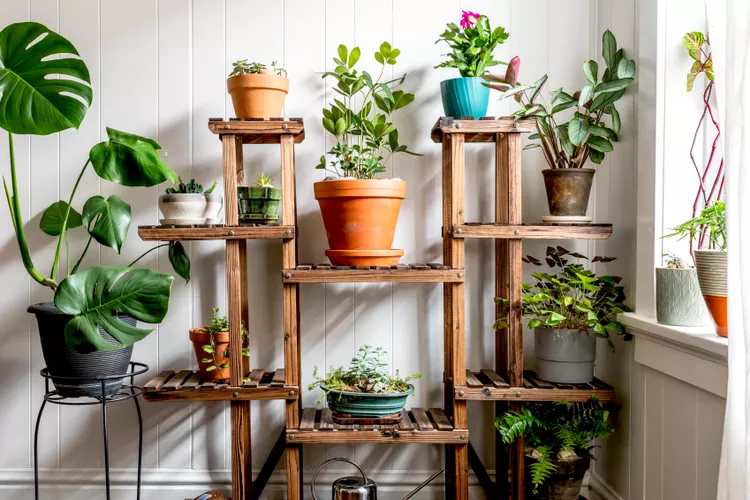
Indoor gardening has been a part of human culture for centuries, even though it feels like a modern trend. Long before we came along, people in apartments, condos, and houses were already growing plants indoors. In fact, the Ancient Greeks and Romans, known for their wine-making and philosophical musings, also nurtured indoor plants, making them some of the earliest adopters of this practice.
But what does indoor gardening look like today? And how can it contribute to a more sustainable future? Let’s explore.
What is Indoor Gardening?
Bromeliad Guzmania
Indoor gardening involves utilizing unused indoor spaces to cultivate plants in a controlled environment. With increasing urbanization, shrinking land availability, and smaller living spaces, this practice allows city dwellers, condo owners, and suburban homeowners to grow their own food all year round, even in challenging climates.
Maximizing space: Transform underutilized areas into productive gardens, benefiting individuals and communities.
Health and well-being: Enjoy the physical and mental health perks of having plants at home.
Air purification: Plants act as natural air filters, improving indoor air quality.
Year-round gardening: Cultivate plants regardless of harsh weather conditions.
Pesticide-free produce: Grow fresh fruits, vegetables, and herbs without harmful chemicals.
Convenience: Harvest your own fresh ingredients straight from your home to your kitchen.
How to Start Indoor Gardening
Starting an indoor garden is simpler than you might think. Begin small—every flourishing garden starts with a single seed. Here are some ideas to help you get started:
Purchase a tropical plant from your local garden center.
Use seed trays to grow your own plants from scratch.
Experiment with soil-free methods like hydroponics, aeroponics, or aquaponics.
Opt for low-maintenance succulents that thrive indoors.
Indoor gardening not only beautifies your home but also contributes to a sustainable lifestyle. With minimal effort, you can create a thriving green space that benefits both you and the planet.