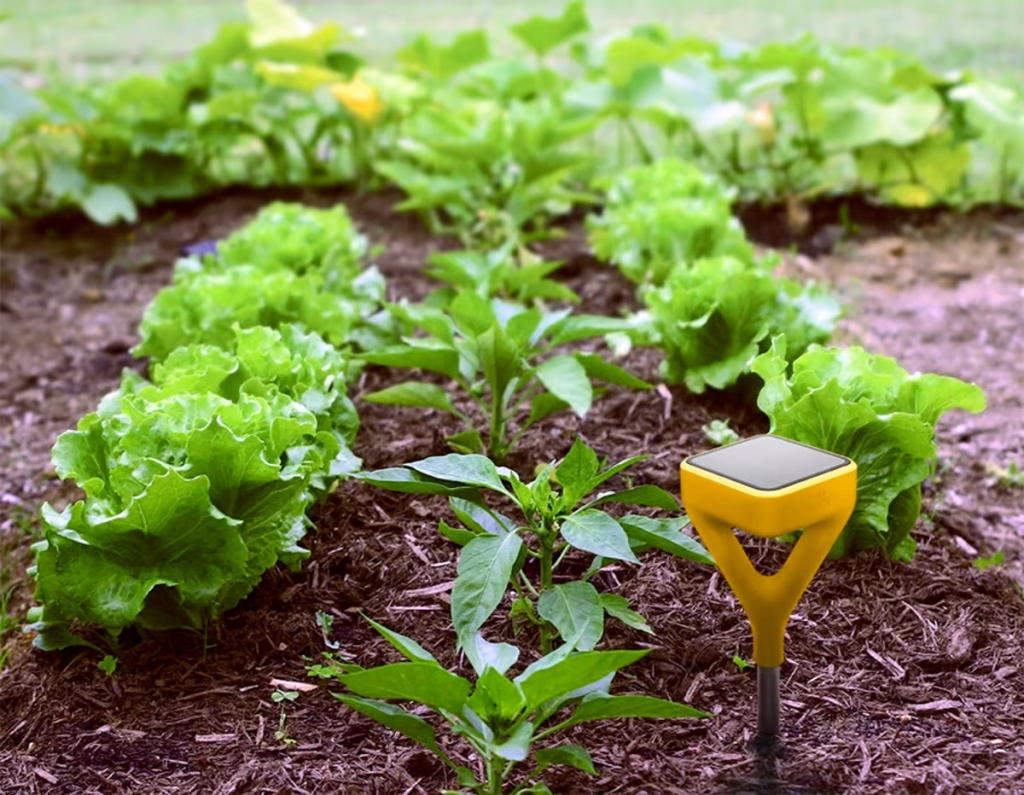
Sustainability is more critical than ever, so gardening is not just a hobby; it is an essential practice for promoting environmental well-being. Traditional gardening methods, while effective, often fall short in terms of efficiency, sustainability, and conservation. Enter smart plant monitoring systems—technology-driven solutions that help optimize plant care while reducing waste and environmental impact. These intelligent systems leverage sensors, artificial intelligence (AI), and data analytics to transform gardening into an eco-friendly and precise practice.
This article explores how smart plant monitoring systems contribute to eco-friendly gardening by conserving resources, reducing chemical use, and improving plant health. It also references insights from three books: The Hidden Life of Trees by Peter Wohlleben, Teaming with Microbes by Jeff Lowenfels and Wayne Lewis, and Smart Garden: How to Make Your Outdoor Space Work for You by Jane Perrone.
The Rise of Smart Plant Monitoring Systems
What Are Smart Plant Monitoring Systems?
Smart plant monitoring systems are devices that use sensors and AI to track various plant health parameters, such as soil moisture, temperature, humidity, light exposure, and nutrient levels. These systems provide real-time data, helping gardeners make informed decisions about watering, fertilization, and overall plant care.

Some common components of smart plant monitoring systems include:
- Soil Moisture Sensors: Measure the water content in soil and prevent overwatering.
- Light Sensors: Ensure plants receive the optimal amount of sunlight.
- Temperature and Humidity Sensors: Monitor environmental conditions for optimal growth.
- AI-Powered Apps: Provide recommendations based on collected data.
By integrating these technologies, smart gardening reduces unnecessary resource consumption and ensures plants receive only what they need.
How Smart Monitoring Systems Promote Eco-Friendly Gardening
1. Water Conservation and Efficient Irrigation
Water scarcity is a global issue, and traditional irrigation methods often waste significant amounts of water due to overwatering or inefficient distribution. Smart plant monitoring systems help optimize water usage by analyzing soil moisture and only watering when necessary.
According to The Hidden Life of Trees by Peter Wohlleben, trees and plants communicate underground through fungal networks, sharing nutrients and water as needed. This natural system prevents wastage and ensures resources go where they are most needed. Smart plant monitoring systems mimic this approach by delivering water only when soil conditions demand it, reducing waste.
Additionally, many smart irrigation systems can be integrated with weather forecasts. If rain is expected, they adjust watering schedules accordingly, further reducing unnecessary water usage.
2. Reduction of Chemical Fertilizers and Pesticides
Excessive use of chemical fertilizers and pesticides can degrade soil health and harm beneficial microorganisms. Smart gardening technology helps mitigate this issue by providing precise nutrient analysis, allowing gardeners to apply only the necessary amount of fertilizer.
Your houseplant is dying right now — and you have no idea why.
Stop killing your houseplants.
The fix takes 60 seconds.
Snap a photo. LetPlant AI instantly diagnoses what’s wrong, tells you exactly when to water, and alerts you before it’s too late — not after.
FREE Save my houseplants nowNo credit card. No catch. Just healthier houseplants.
In Teaming with Microbes, Jeff Lowenfels and Wayne Lewis explain how healthy soil microbiomes contribute to plant nutrition and disease resistance. Over-fertilization disrupts this balance, leading to dependency on synthetic nutrients. With smart monitoring systems, gardeners can adopt a targeted approach to fertilization, preserving soil biodiversity and reducing chemical runoff into water sources.
Furthermore, pest monitoring systems can detect early signs of infestations, allowing gardeners to take eco-friendly pest control measures, such as introducing beneficial insects or using organic pesticides instead of synthetic chemicals.
3. Energy Efficiency in Gardening
Traditional gardening often involves excessive use of electricity for lighting, heating, and irrigation systems. Smart gardening technology optimizes energy consumption by using automation and sensors.
For example, smart LED grow lights adjust brightness based on plant needs, reducing energy waste. Solar-powered garden monitoring systems further enhance sustainability by utilizing renewable energy sources instead of grid electricity.
Jane Perrone, in Smart Garden: How to Make Your Outdoor Space Work for You, highlights the importance of designing an energy-efficient garden by using technology to minimize power consumption while maximizing plant growth. Smart monitoring systems align perfectly with this approach by automating essential functions and reducing reliance on artificial resources.
Integrating Smart Gardening with Sustainable Practices
1. Companion Planting and Biodiversity
Smart plant monitoring systems provide data that can be used to implement companion planting effectively. Companion planting involves growing different plant species together to enhance growth, repel pests, and improve soil health.
For instance, a smart monitoring system can track nutrient depletion patterns and suggest planting nitrogen-fixing plants, like legumes, next to heavy feeders, such as tomatoes. This reduces the need for synthetic fertilizers and promotes a self-sustaining garden ecosystem.
Biodiversity in gardening also attracts pollinators, enhances soil fertility, and creates a more resilient environment against pests and diseases.
2. Composting and Soil Health Management
Healthy soil is the foundation of sustainable gardening. Smart plant monitoring systems can analyze soil composition and recommend organic matter additions, such as compost, to maintain soil fertility.
Composting reduces waste by converting kitchen scraps and garden debris into nutrient-rich soil amendments. When paired with smart soil sensors, gardeners can determine the right balance of organic matter needed for optimal plant health.
3. Vertical and Urban Gardening
Space constraints in urban areas often limit traditional gardening methods. However, smart gardening technology enables efficient vertical and rooftop gardening by optimizing resource distribution.
For example, hydroponic and aeroponic systems, which use minimal soil and water, can be monitored and controlled using smart sensors. These methods not only conserve space but also reduce water usage by up to 90% compared to traditional soil-based gardening.
Overcoming Challenges in Smart Gardening
1. Initial Cost and Technological Learning Curve
One of the main barriers to adopting smart plant monitoring systems is the initial investment required. However, costs have been decreasing with technological advancements, making these systems more accessible.
Additionally, some gardeners may find it challenging to adapt to digital tools. To address this, many smart gardening apps feature user-friendly interfaces and AI-driven recommendations, simplifying the learning process.
2. Data Accuracy and System Maintenance
While smart plant monitoring systems offer precise data, environmental factors like sensor placement, calibration, and connectivity can affect accuracy. Regular maintenance and updates are essential to ensure reliable performance.
Despite these challenges, the long-term benefits of resource conservation, improved plant health, and environmental sustainability outweigh the drawbacks.
The Future of Eco-Friendly Gardening with Smart Technology
As technology continues to advance, the future of eco-friendly gardening looks promising. Emerging trends include:
- AI-Driven Plant Diagnosis: Advanced machine learning models can detect diseases and nutrient deficiencies early, enabling proactive treatment.
- Blockchain for Sustainable Agriculture: Blockchain technology can help track the sustainability of gardening products, ensuring eco-friendly sourcing.
- Integration with Smart Homes: Smart gardens can be connected to home automation systems, allowing seamless control over irrigation, lighting, and climate conditions.
With these advancements, smart gardening is set to revolutionize sustainable practices, making it easier for individuals and communities to grow food and plants responsibly.
Conclusion
Eco-friendly gardening with smart plant monitoring systems represents a perfect blend of nature and technology. By optimizing water usage, reducing chemical inputs, and enhancing energy efficiency, these systems contribute significantly to sustainable gardening.
As The Hidden Life of Trees emphasizes, plants thrive in interconnected environments where resources are shared efficiently. Smart gardening technology mimics these natural processes, ensuring plants receive precise care while conserving resources. Similarly, Teaming with Microbes highlights the importance of maintaining soil biodiversity, which smart monitoring systems help achieve by reducing over-fertilization. Lastly, Smart Garden by Jane Perrone provides practical strategies for using technology to create an efficient and sustainable garden.
By embracing smart plant monitoring systems, gardeners can enjoy healthier plants, lower environmental impact, and a more sustainable future. Whether you are a beginner or an experienced gardener, integrating these technologies will elevate your gardening experience while contributing to global environmental efforts.
Eco-friendly gardening is not just about planting—it’s about planting smart.